Home

Which Breeds Make My Top 10 Prolific Egg Layers List?

Can’t decide which breeds to choose for your Spring flock? Of all the breeds that have been on our farm, these 10 were by far the best egg layers.
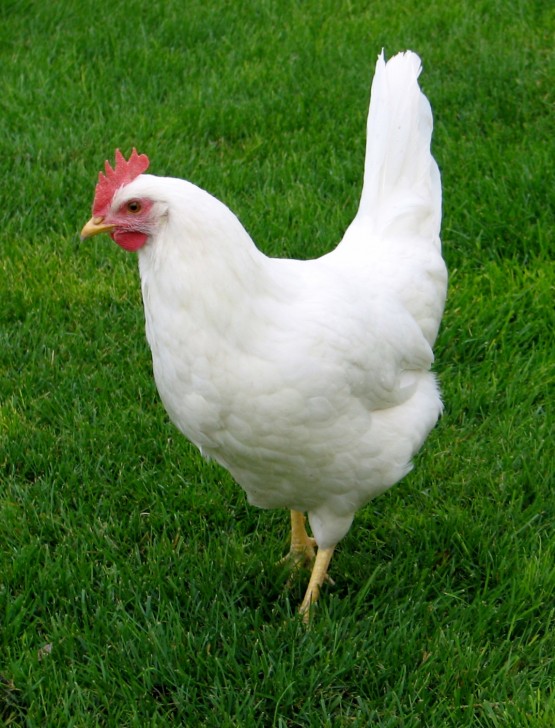
Leghorn: These chickens are the most popular breed for commercial egg production, known for their high egg-laying rates and large, white eggs.
Rhode Island Red: These birds are popular for backyard flocks due to their good temperament and consistent production of large, brown eggs.
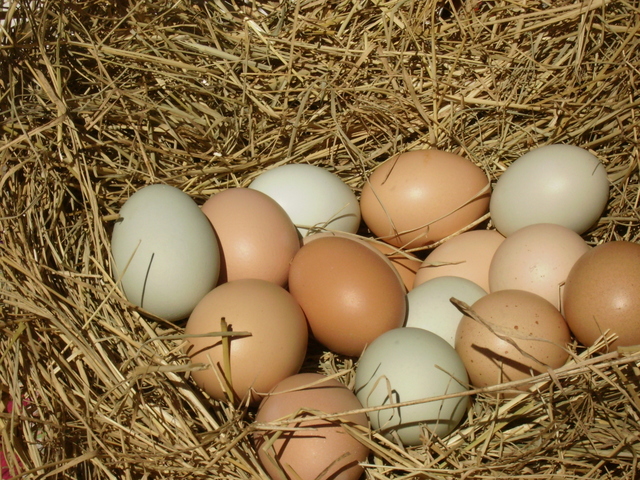
Easter Egger: This is not an actual breed but rather a type of chicken that can lay eggs in a variety of colors, including blue, green, and pink. They are popular for backyard flocks due to their egg color and good egg production.
Plymouth Rock: These birds are also dual-purpose and known for their brown eggs, good meat quality, and calm temperament.
Australorp: This breed is known for its docile temperament and excellent egg production, laying large, brown eggs.
Orpington: These birds are known for their calm demeanor and are popular for backyard flocks due to their good egg production and meat quality.
Wyandotte: These birds are known for their hardiness and consistent egg production, laying medium-sized, brown eggs.
Marans: This breed is known for its dark brown eggs, which are highly prized by many egg enthusiasts.
Sussex: These are dual-purpose birds, meaning they can be raised for both meat and eggs. They are known for their sweet disposition and good egg production.
Ameraucana: These birds are popular for their blue and green eggs and are known for their hardiness and good egg production.

Back to Chicken Keeping Resources HOME PAGE

Silkies, A Unique Breed of Chicken

Raven, Our Best Mother Hen

Silkie chickens are a unique breed of chicken known for their distinct appearance and personality. They are the best breed if you’re looking to hatch eggs because they are excellent dedicated mothers, and you can count on them to be broody many times a year.
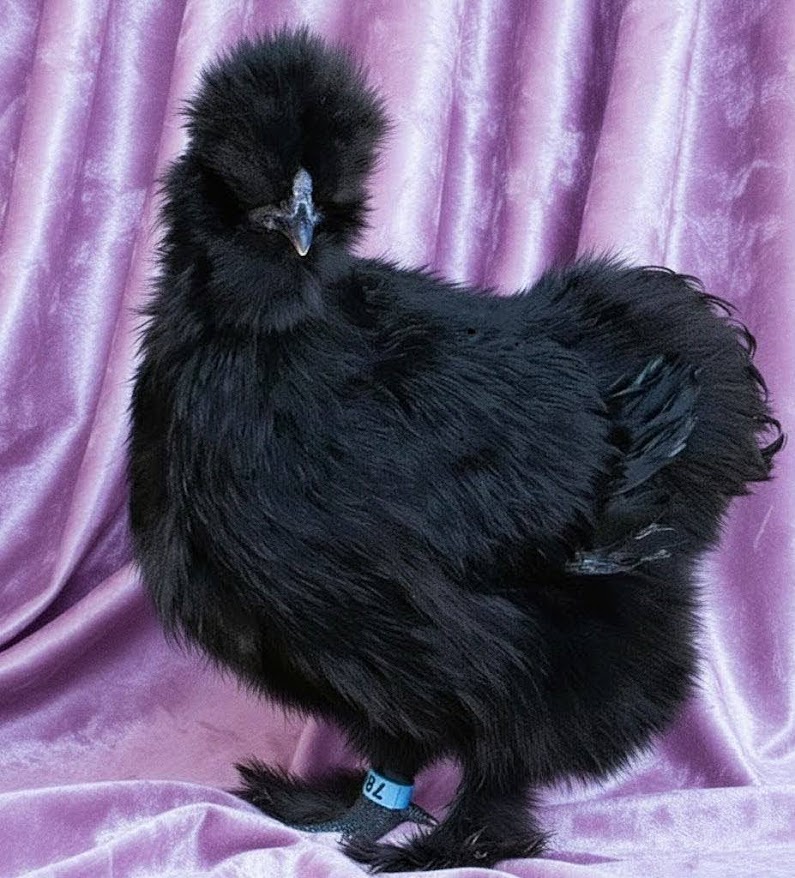
Silkies can come in a variety of colors, including splash, white, black, blue, buff, gray, and partridge. Their feathers have a unique fluffy and soft appearance because they lack the barbs and barbules that hold the feathers together in most other chicken breeds. This gives Silkie a distinctive appearance and texture.
Additionally, they have black skin and bones, and their feathers can have a slight iridescence or shine to them.

Here are Some of the Key Characteristics that Make Silkies Different

Appearance: Silkies have a unique appearance that sets them apart from other breeds. They are covered in fluffy, fur-like feathers that feel soft and silky to the touch. They also have black or blue skin, dark-colored meat, and a distinctive crest of feathers on their head.
Personality: Silkies are known for their friendly and docile nature. They enjoy affection and attention and are a great choice for children to raise.
Broodiness: Silkies are known for their broody nature, meaning they have a strong instinct to sit on and incubate their eggs. This makes them popular among backyard chicken keepers who want to hatch their chicks.
Size: Silkies are a smaller breed of chicken, weighing between 2-3 pounds on average.
When it comes to egg production, silkies are not considered to be prolific egg layers.
On average, Silkies lay around 100-120 small, cream-colored eggs per year. As a comparison, the popular Rhode Island Red hen lays approximately 250-300 eggs per year. Keep in mind, egg production for all breeds can be influenced by various factors, such as age, diet, and environment.

Back to HOME PAGE

Farm Fresh Eggs Better Than Store Bought, Here’s Why

Farm-fresh eggs are often considered to be of higher value compared to store-bought eggs due to a variety of factors.

Nutritional value: Farm-fresh eggs are often considered to be more nutritious than store-bought eggs. This is because hens raised on small farms are typically allowed to roam outside and eat a more varied diet than factory-farmed chickens. As a result, their eggs tend to be richer in nutrients such as omega-3 fatty acids, vitamins A and E, and beta-carotene.
Taste: Many people also believe that farm-fresh eggs taste better than store-bought eggs. This is because the yolks tend to be richer in color and flavor, and the whites tend to be firmer and creamier. Additionally, since farm-fresh eggs are often fresher than store-bought eggs, they may have a better texture and flavor.
Sustainability: Choosing farm-fresh eggs can also be a more sustainable choice. Small-scale farmers often raise their hens in a more humane and environmentally-friendly way, and buying eggs directly from farmers can help support local agriculture.
Safety: While all eggs are required to be inspected for safety, farm-fresh eggs may be perceived as being safer since they are often sold directly to consumers by the farmers who raised the hens. This can reduce the risk of contamination or food-borne illnesses that can occur during transportation and storage.
Note:
Farm-fresh eggs can be a great choice for people who prioritize nutrition, taste, sustainability, and food safety. However, it’s important to note that not all farm-raised eggs are created equal, and it’s important to do your research to find a trusted source for your eggs. Or, maybe consider having your own backyard flock, just be sure to check your local laws on keeping poultry before you join the chicken-keeping craze.

Back to Chicken Keeping Resources HOME PAGE