Taking care of a chicken coop means keeping it clean, safe, and smelling as fresh as possible. One way to do this is by using lime. Not only does it help with odor but it’s also an insect repellent. Lime also helps soak up moisture which can lead to bacteria & mold. A good rule of thumb is to reapply lime at least once a month.
First Saturday Lime
I use First Saturday Lime in my coop, available at Amazon.
Bedding Choices to Keep your Coop Clean, and your Life Easier
Written by a real person!
When it comes to chicken coop bedding, new options and creative combinations are gaining popularity as chicken keepers look for better choices. Hemp bedding is becoming especially popular. It’s highly absorbent, some sources say it can hold up to four times its own weight in moisture, and it naturally helps control odors better than shavings. It also breaks down easier when composting. However, consider the fact that Hemp is pricier and may be hard to source. I don’t have any personal experience with Pelletized Bedding but I have heard of other chicken keepers using it and are happy with its performance. It’s often made from recycled paper or other natural materials. These pellets produce less dust, and can sometimes outperform traditional options when it comes to odor control. But in my opinion it sounds like it’s a product you are going to be replacing often… that means an expense and a chore you may not want. The Deep Litter Method continues to be a favorite for its practicality and sustainability. Instead of frequent full clean-outs, fresh bedding layers are added over time while the old material decomposes in place. This system helps manage odor, generates warmth, and reduces labor. However, success depends on good ventilation, regular stirring or turning, and careful moisture control, otherwise, issues like ammonia, mold, and pests will most definitely become a problem. This method is most popular in colder climates. Pine Shavings are probably the most popular product used in coops, but that doesn’t mean it’s the best choice. I won’t deny they’re soft, absorbent, help control odors, and smell wonderful. Not to mention they’re affordable, widely available, compost well, and a good choice for the deep litter method. But there is a downside, pine shavings are super dusty which can be a respiratory irritant to chickens as well as their keepers. They break down quickly, need regular refreshing, and when they get damp, trap bacteria and ammonia. Shavings need to be replaced often, a chore that is time consuming and messy. Which brings me to why I don’t use them, and what I highly recommend instead….
Sand
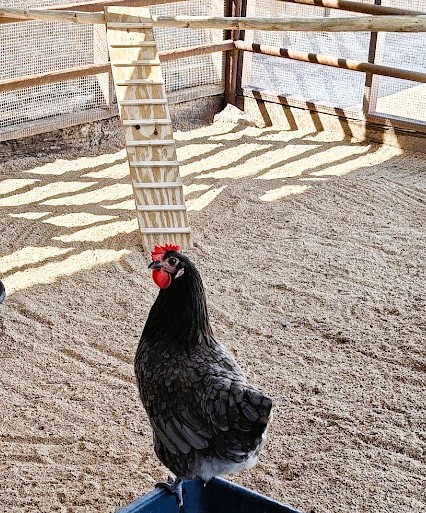
Sand has become a very popular growing trend. Sand dries quickly, doesn’t decompose or get moldy like other bedding, and provides great drainage. Coarse sand (I use construction grade) is the best choice (fine play sand should be avoided.) The coop is easy to clean using a sifting rake. You can have sand delivered from a local landscape center, take the afternoon and spread it yourself (or hire someone,) and you are good to go for literally years.
If you feel the need to mix or blend bedding materials, this is okay too. This is a great way to take advantage of the different individual strengths of various beddings. It makes good sense to adjust bedding seasonally, especially in winter. More info: Sand types / Sifting shovels
Backyard chickens bring fresh nutritious eggs and fun, but also work. Explore the pros, cons, and tips for starting your own flock.
Thinking about starting a backyard flock? Chickens aren’t just about eggs, they bring personality, entertainment, and yeah… a little work too, but it’s rewarding work. Within the flock, a pecking order governs who gets first dibs on everything, the food, best perch, even the nest boxes. Watching them sort it out can be entertaining, or maybe better described as… a soap opera. Their verbal chatter is constant, clucks, cackles, and gossip-like conversations that only they understand. Some hens announce their egg-laying achievement with a noisy “cackle song” that lets you know they’ve laid. I have one hen ( Nugget, a 4 y/o Mille Fleur) who never lays an egg but has made it her job to inform me with her repetitive cackle that another hen has. Depending on the breeds you keep, your nest boxes could be filled with white, chocolate-brown, brown, pale blue, mossy green, and even speckled eggs. Whatever the color of the egg, when you crack one open, you’ll see the difference instantly, bright golden yolks and firm whites, a freshness that store-bought eggs can’t match.
FYI: By the time you buy store eggs, they’re usually 2–3 (or more) weeks old. Farm-fresh eggs are not only more nutritious, but feel like both a gift and a reward for the time and commitment of chicken keeping.
Each chicken comes with a unique personality. Some may follow you around curiously, some are aloof, and the bold leaders just seem interested in being just that. Sometimes there’s that special one who might jump in your lap for extra attention. One thing is for sure, spend some time with your chickens and you’ll see plenty of antics accompanied by endless drama. Over time, your chickens will come to know you, greeting you at the gate, especially if you have treats or kitchen scraps. Chickens live by a sense of rhythm. As the sun goes down, they all march into the coop and put themselves to bed. In the winter, their egg-laying slows, reminding us to respect the natural cycles of rest and renewal. Is keeping chickens cost-effective? Well… no, not really. Fresh eggs come at a price. A spacious, predator-safe coop and run can be expensive to set up, and feeding a small flock of 6–8 birds usually runs about $30+ a month, substantially more if you choose organic feed. That’s enough to buy a lot of store-bought eggs. So what’s the bottom line? It all comes down to whether the expense and commitment are worth it to you.





 TBN Ranch Chicken Keeping Resources