The Mottled Houdan is an ancient breed that originated in France. They are known for their unique appearance and have become popular exhibition birds due to their striking plumage. Appearance: Houdans are crested and have a V-shaped comb, five toes & a beard. Plumage: The Houdan breed is known for its beautiful plumage, characterized by a striking contrast of black and white. Temperament: Houdans are known to be calm, friendly, and docile birds. Egg Production: Low, 2-3 white eggs a week. Cold Hardiness: Not cold hardy. Heat Tolerant: Yes. Exhibition Qualities: Houdans are highly regarded in the exhibition poultry community for their unique appearance. Abundance: Considered rare.
Mille Fleur means “Thousand Flowers” in French, which refers to the colorful feather patterns on the birds.
Appearance: The Mille Fleur chicken has a small to medium-sized body, weighing between 1.5 to 2.5 kg. The most distinct feature of this breed is its feathers, which are covered in small, round, and colorful spots. The base color of the feathers is typically a light brown or tan, with black, white, and reddish-brown spots. They have a single comb, red wattles, and yellow skin. Temperament: Mille Fleur chickens are known for being friendly and docile, making them great pets. They are active foragers and enjoy free-ranging. Relatively quiet and do not make a lot of noise, which makes them suitable for urban environments. Egg production: 😦 Mille Fleur hens in my opinion are not prolific egg layers. Their eggs are very small with a very light brown or tinted shell color. About The Mille Fleur d’Uccle is an ornamental chicken that is known for its distinctive appearance and small size. The name “d’Uccle” is derived from the town of Uccle (or Ukkel) in Belgium, where this breed is believed to have originated. The Mille Fleur d’Uccle is a bantam breed, which means it is a smaller version of a standard-sized chicken. It is known for its unique feather pattern, characterized by a mottled or speckled appearance with a base color of white or cream and tiny black or dark brown spots that resemble a “thousand flowers” or “mille fleurs” in French. The feather pattern is intricate and complex, with each feather having its own unique arrangement of spots, making each bird’s pattern slightly different. The exact origin of the Mille Fleur d’Uccle is unclear, but it is believed to have been developed in the late 19th or early 20th century in Belgium through crossbreeding of several other bantam chicken breeds, including the Barbu d’Anvers (d’Anvers or Antwerp Belgian) and the Barbu de Watermael (de Watermael Belgian). The aim was to create a unique and visually appealing breed for exhibition and ornamental purposes. The Mille Fleur d’Uccle has gained popularity worldwide as an ornamental chicken breed due to its attractive appearance, friendly temperament, and small size, which makes it suitable for backyard or urban chicken keeping. Today, it is recognized as a distinct breed by many poultry associations and is exhibited in poultry shows and competitions around the world.
Why Do Chickens Have Combs & Wattles? What are They For?
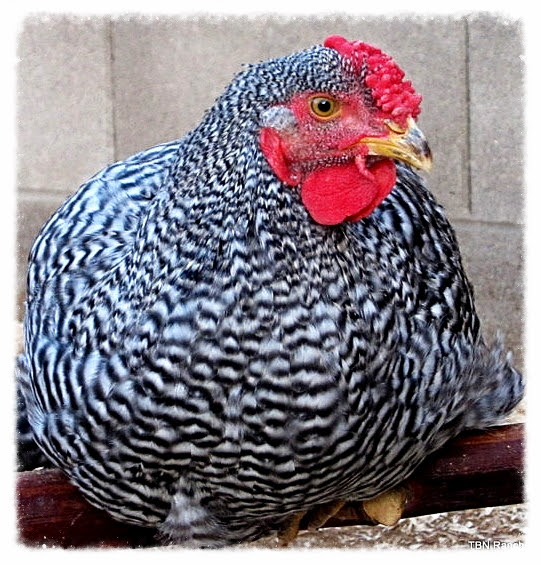
Combs and wattles are fleshy protuberances located on chickens’ heads and necks. The comb is the larger, often brightly colored structure on top of the chicken’s head, while the wattle is a smaller, reddish piece of skin that hangs beneath the chicken’s chin. Combs and wattles serve several important functions for chickens. Firstly, they play a role in regulating the bird’s body temperature. Chickens don’t sweat, so they rely on their combs and wattles to help dissipate heat from their bodies. The blood vessels in these structures expand and contract to help regulate the bird’s internal temperature. Secondly, combs and wattles can also play a role in attracting mates. In many breeds of chickens, the size and color of a rooster’s comb is a sign of his health and vitality, making him more attractive to potential mates. Lastly, combs and wattles can also be used to signal social status and dominance within a flock. In some breeds, chickens with larger and more ornate combs may be seen as more dominant and may be more likely to lead the flock or have access to the best food and resources. While combs and wattles may seem like just an interesting physical characteristic of chickens, they actually serve important functions in regulating body temperature, attracting mates, and signaling social status within a flock.




 TBN Ranch Chicken Keeping Resources