 The Ameraucana and the Easter Egger are both popular choices for backyard poultry keepers, but they are often confused. Although both are known for laying colorful eggs, they are distinct types of birds with very different traits.
The Ameraucana: The Purebred Standard
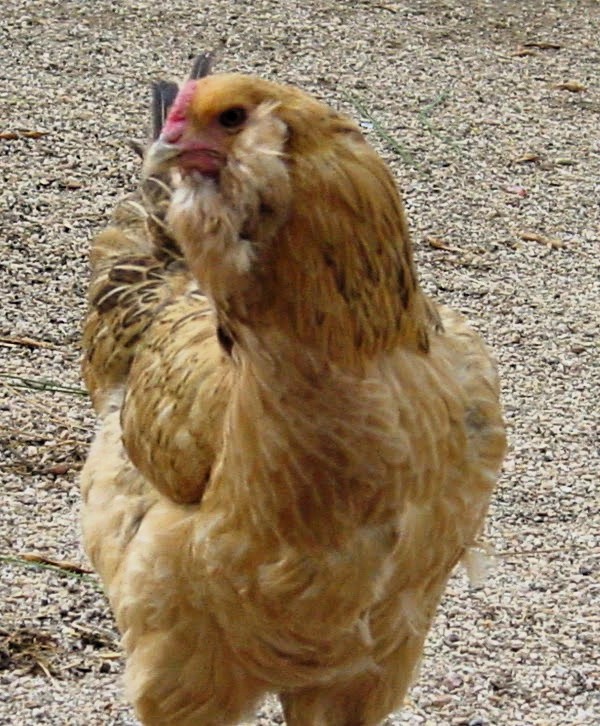
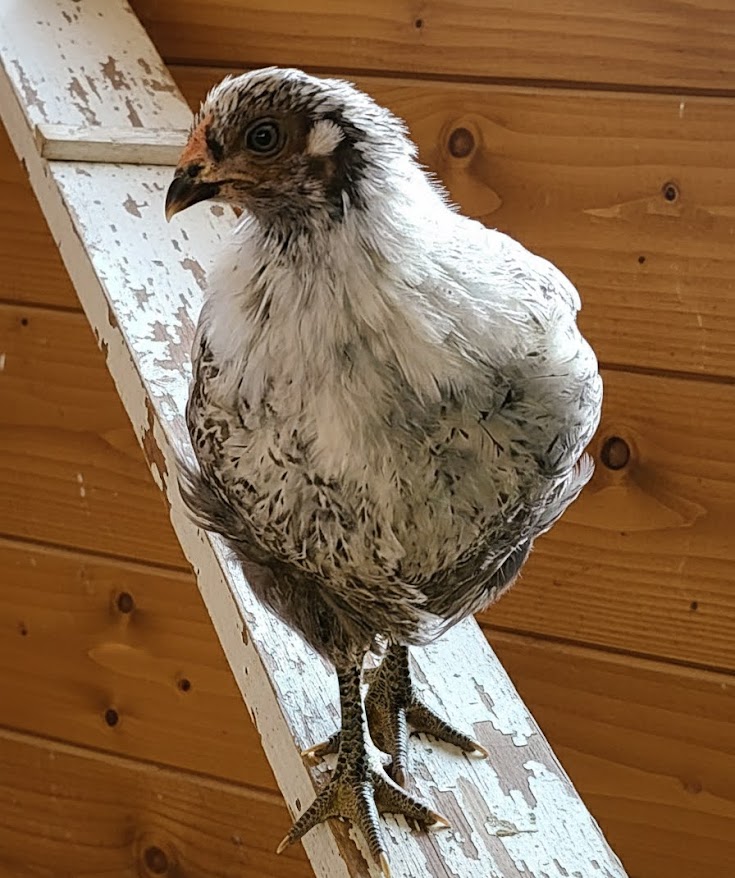
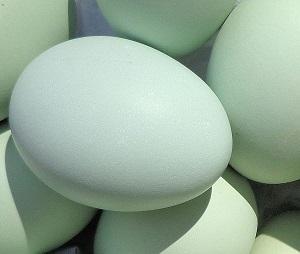
The Ameraucana is a distinct, recognized breed that must adhere to strict American Poultry Association (APA) guidelines to earn its title. These birds are unmistakable with muffs and beards, paired with a distinct pea comb. To be considered a true Ameraucana, a bird must have slate blue or black legs, a U-shaped body, and a tail set at a 45-degree angle. They are also limited to eight recognized color varieties, and they are strictly blue egg layers. Because the pigment, called oocyanin, permeates the entire shell.
Now here’s the scoop on the Easter Egger, which you may be surprised to learn, isn’t a specific breed at all, but a hybrid! These birds are typically the result of crossing a blue egg layer with another breed, such as a Rhode Island Red or Marans. Because they’re crossbreeds, their appearance can be wildly unpredictable, while some may inherit the beard and muffs of their parents, others may not. Unlike the slate legs of the Ameraucana, you’ll often see Easter Eggers with green or willow colored legs. However, what is interesting about Easter Eggers, is the egg colors they may produce. While an individual hen will lay the same color egg her entire life, a flock of Easter Eggers can produce many different colors, including aqua, sage green, olive, tan, or even rose. This variety occurs because of the tinted factor, when a brown pigment is layered over a blue shell during production, the result ends up being a nice little surprise!







 TBN Ranch Chicken Keeping Resources