Beautiful Eggs!
With the soaring price of eggs, I’ve never been so grateful for my little banty hens. Just look what they brought to the table this week!
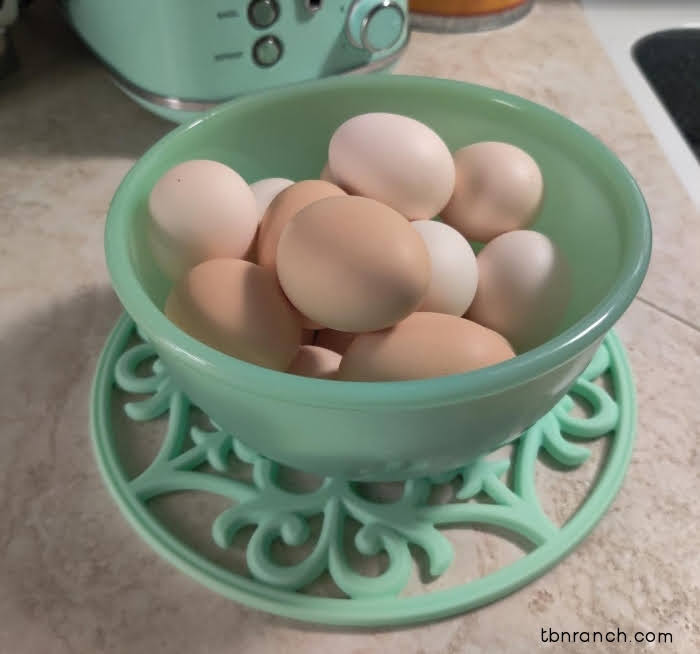


With the soaring price of eggs, I’ve never been so grateful for my little banty hens. Just look what they brought to the table this week!
Cochin chickens are known for their soft feathers and fluffy robust appearance. They have a round body, long silky plumage, feathered feet, and a single comb. They lay a fair number of brown or tinted small to medium eggs. You can expect approximately 2 eggs per week.
This breed may not be a prolific layer, but are still quite worthy for their broody tendencies, and their stunning appearance of course! They’re often used to hatch fertile eggs from other birds, however, don’t be in a big hurry, the Cochin is very slow to mature.


If your looking for a docile, peaceful, friendly, and easily-handled breed, this buxom beauty is for you. I find Cochins don’t fancy scratching around in the dirt as much as most other breeds. They are also not a fan of high perches. They prefer free roam but confine quite well.
They’re considered a heavy breed weighing in at about 11 lbs for roosters, and 8 to 8.5 lbs. for hens.
Bantams: A hen will be just under 2 lbs. and the rooster, about 2 lbs.
The Cochin chicken breed arrived on the shores of Britain and America from the port of Shanghai, China in the mid-1800s. This fancy breed has a wide variety of colorful outfits, in buff, white, black, blue, partridge, and cuckoo.
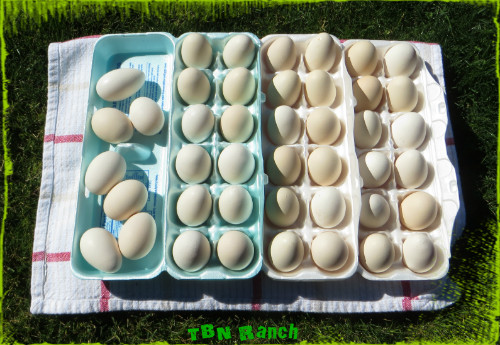
You may have heard the Silkie Bantam is only a fair egg layer, but is this a fair statement? Perhaps they get a bad rap because they’re often broody which interrupts egg production. True, but in my opinion, this incredible bird should be considered a master of two jobs. I give them five stars for their dedication to motherhood, and here’s their generous contribution to the breakfast menu. Not bad, not bad at all!
My Silkies lay every other day on average, with little change during our mild Arizona winters. There are six birds in my flock over the age of four and are still producing at the same rate. As far as I’m concerned, a chicken’s production decreasing after the age of two years has not proven true on our little farm.
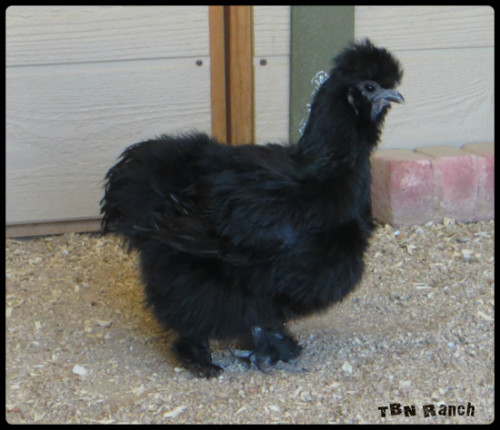

Meet Fern, this little lady doesn’t lay eggs at all, ever! Hatched in 2012, isn’t interested in setting on eggs, and has never gone broody. But no worry, there’s still a job for her here as a bug eater. She’s also valuable as a warm body to the others on those occasional cold winter nights.

 TBN Ranch Chicken Keeping Resources