Natural Sand May Be a Better Choice for Your Coop, Here’s Why
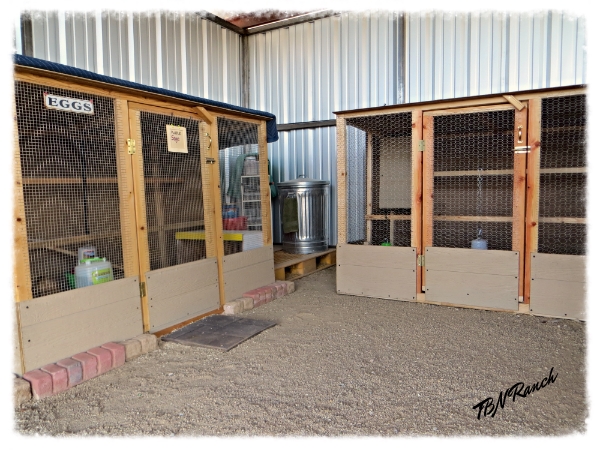
Drainage: Sand allows for excellent drainage, which helps to keep the chicken coop dry and prevents the buildup of moisture. This is important for maintaining a healthy living environment for chickens and preventing issues like fungal growth or ammonia buildup, which can lead to respiratory issues for the birds.
Cleanliness: Sand is easy to clean and maintain. Chicken droppings and other debris can be easily scooped out using a long-handle litter box scoop, available on Amazon. It would only take a few minutes to scoop up poop every day, this will keep the coop much cleaner. No more raking out a ton of smelly shavings every week, and replacing it with clean expensive pine shavings.
Comfort: Sand provides a soft and comfortable surface for chickens to walk, stand, and rest on. It is gentle on their feet and joints, which is important for their overall health and well-being. Chickens are also known to dust bathe, and sand provides a suitable medium for them to engage in this natural behavior.
Pest control: Sand can help control pests in the chicken coop. Sand does not provide a suitable environment for many common pests like mites, lice, or fleas to thrive, as it is not conducive to their life cycle. Additionally, sand can be easily raked or turned over, disrupting pest habitats and helping to keep them under control.
Cost-effective: Sand is often an inexpensive option for bedding in chicken coops, especially when compared to other materials like wood shavings or straw. Sand can be sourced locally in many areas, making it a cost-effective choice for chicken keepers on a budget.
Longevity: Sand is a durable material that can last for a long time with minimal maintenance. Unlike other bedding materials that may break down or decompose over time, sand can remain relatively stable and functional for an extended period, reducing the need for frequent replacement.
Natural look: Sand can provide a natural, aesthetically pleasing look to the chicken coop. It can mimic the natural environment of chickens, allowing them to engage in their natural behaviors and feel more comfortable in their surroundings.
Not All Sand is Created Equal
Where to Buy
Sand for your coop and/or run should be natural, consist of variable particle sizes, and shouldn’t be manufactured by crushing quartz. Sand can be purchased in bulk at local quarries, or anywhere that sells rock for landscaping, construction sites, etc. Delivery will most likely be available, but there will be an extra charge for the service. The sand will be dumped on your property, and it will be your job to move it into your coop and/or run.
NOTE: Keep in mind that sand is not suitable for all climates or situations. In areas with heavy rainfall or high humidity, sand may become excessively damp and muddy, which can lead to issues such as increased ammonia buildup or difficulties with drainage. Sand is best used inside a coop, or a covered area. It’s essential to consider the specific needs of your flock, climate, and management practices when choosing bedding material for your chicken coop.
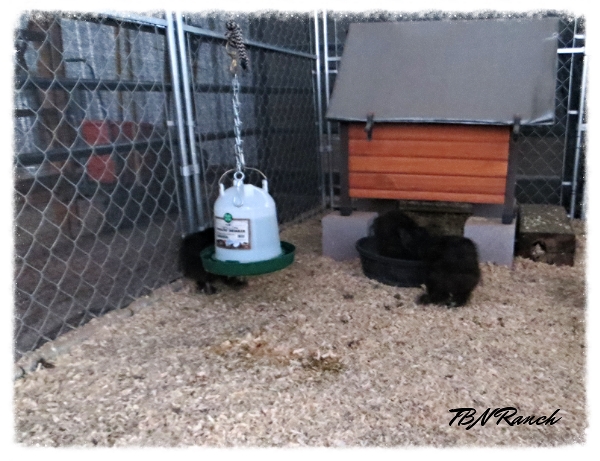
Pine Shavings are Still Useful
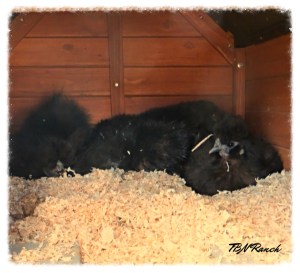
Pine shavings are best used in nest boxes, chickens seem to prefer nesting on fluffy pine shavings, not hay, or straw which can be an irritant to the vent area.






 TBN Ranch Chicken Keeping Resources