Fun Facts About Chickens

Did You Know?

Chickens are one of the oldest domesticated animals, with evidence of their domestication dating back to ancient Egypt over 4000 years ago.
Chickens are intelligent birds and can remember and recognize up to 100 other chickens.
Chickens have a complex social hierarchy and communicate with each other using over 30 different vocalizations.
Chickens can dream and have a sleep-wake cycle similar to humans.
Chickens have a good sense of direction and can find their way home over long distances.
Chickens have a pecking order and establish a social hierarchy through pecking and other forms of behavior.
Chickens can exhibit personality traits such as shyness or aggression, and some breeds are known to be more docile or energetic than others.
Chickens are omnivores and will eat a variety of foods, including seeds, insects, and even small reptiles.
Chickens have a highly developed sense of taste and are able to distinguish between different flavors.
Chickens are known for their ability to produce eggs, but they can also be raised for their meat.
More Interesting Facts…
Chickens, like all animals, have certain vital signs that are important indicators of their health and well-being. Some of the vital signs of chickens include:
Heart rate: A chicken’s normal heart rate is between 250 and 300 beats per minute.|
Respiratory rate: A chicken’s normal respiratory rate is between 15 and 25 breaths per minute.
Body temperature: A chicken’s normal body temperature is between 105-106.7 degrees Fahrenheit (40.5 and 41.5 degrees Celsius).
Capillary refill time: This is the time it takes for the blood to return to a chicken’s comb (the fleshy protuberance on top of its head) after being pressed. A normal capillary refill time is less than 2 seconds.
Hydration: Chickens should have moist, elastic comb and wattles (the fleshy protuberances on either side of the head). Dry comb and wattles can be a sign of dehydration.
Behavior: Chickens should be active and alert, with a normal appetite and thirst.
Monitoring these vital signs can help you identify any health issues that your chickens may be experiencing, and allow you to take appropriate action to address them.
Back to HOME PAGE

About the Welsummer

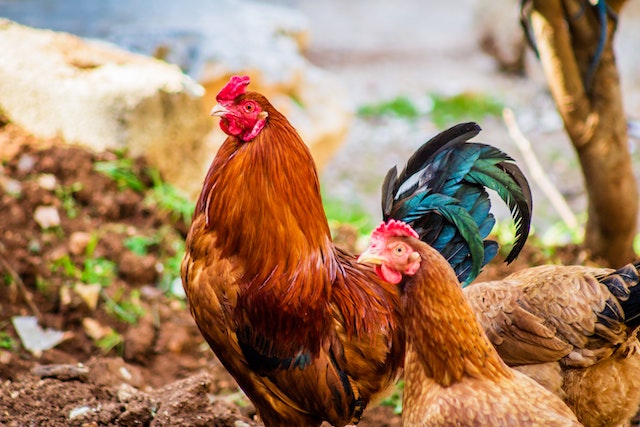
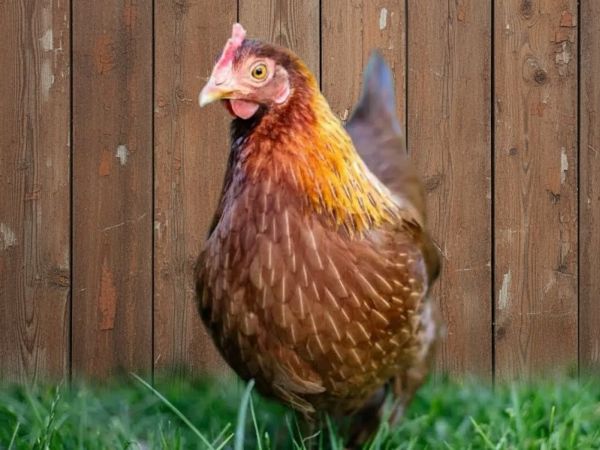
The Welsummer rooster is rustic-red and orange in color and the hen is a light and dark brown partridge pattern with gold around the neck area.  This dual-purpose large fowl lays large terracotta dark brown eggs, often with speckles. Expect about 160 eggs per year.
Features & Color Variations
Single comb, medium wattles, broad chest and back, wide full tail, and 4 toes.  There are three variations of the standard Welsummer, Partridge, Silver Duckwing, and the Gold Duckwing. Recognized Varieties: Red Partridge
Behavior
Welsummers are friendly and intelligent, but not considered especially docile. They generally confine well but prefer to forage. Setter/broody: yes.
Bantams
The Welsummer Bantam lays light brown eggs, and their production is slightly higher than the standard at about 180 eggs per year. Bantams exist in both Partridge and Silver Duckwing colors but are rare.
Origin: Netherlands
Class: Continental
Type: Large Fowl
Size: Medium (6-7 lbs)
Rarity: Common
Purpose: Dual

Back to HOME PAGE

Save

Save

Save

Save

Save

Save

Getting Chickens to Roost in the Right Place

Chickens have a strong homing instinct which drives them to return to the same place to roost at dusk. Those who for whatever reason have decided otherwise can easily be picked up when it’s dark and placed in the coop.  After a few days to a week at most, they usually give up the tree limb, fence, or corner they fancied and join the others in the coop without your interference.
Make sure it’s dark though! Because as soon as you turn your back they’ll run back to where you took them from. It’s very common for youngsters to choose a corner on the ground away from the coop.  Just pick them up and place them where you want them to be and they’ll catch on after a while. However, don’t be concerned if your young birds pile up together in the coop, just be glad they’re in there! As they mature they’ll find their way to the roost, usually at around five months old.
Do all Chickens Roost?
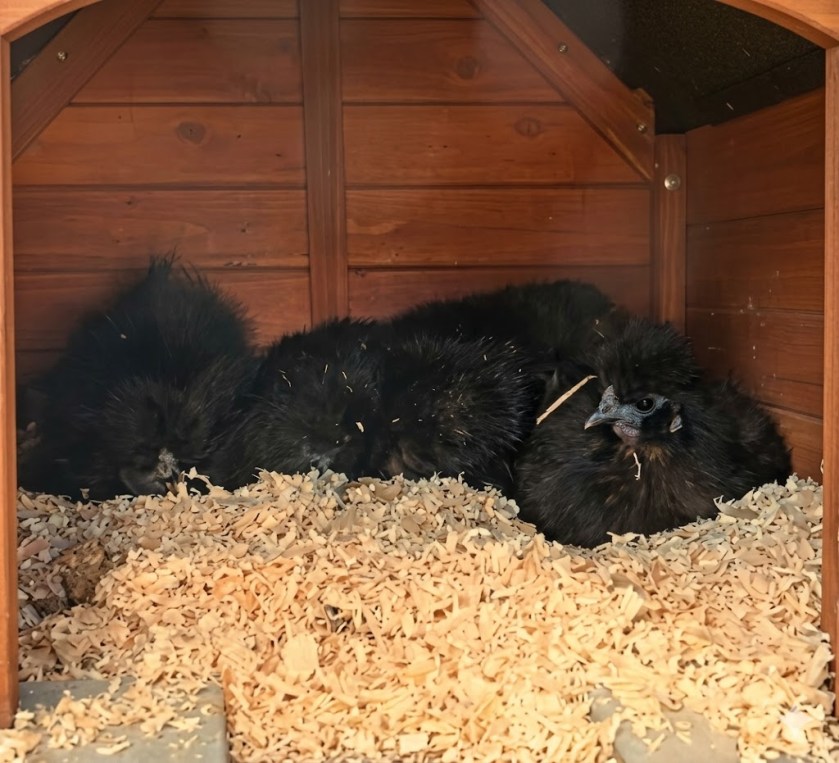
No, don’t ask me why… some, such as Silkies for example, are known to hunker down for the night in the coop, off the roost.
I have four one year old Silkie hens that refuse to roost, it doesn’t matter, as long as they are safely confined at night I just let them choose their comfort zone.

Night Behavior
A chicken’s behavior is dramatically different at night. During the day they are full of life, feisty, and confident, but when the night comes they turn into total milk duds, almost as if they were in a hypnotic state. Take advantage of this time, this is your hassle-free ticket to handle, inspect, and doctor chickens. Especially the ones that are difficult or impossible to catch during the day.
Chickens are so docile at night that you can usually sneak a new bird in the coop after dark, it will most likely go unnoticed until morning. Some chicken keepers choose to introduce birds this way. But I must warn you, a chicken’s night stupor disappears the moment they march out of the coop at the crack of dawn. Be prepared to witness a whole new ball game of unkind introductions, to say the least! Learn more about Introducing Chickens to an Existing Flock.

Back to HOME PAGE

Save

Save

Save

Save

Save

Save

Save

Save

Save

Save