Every year brings new opportunities for improvements in our coop, and this year is no different. One significant upgrade stands out: the installation of an evaporative cooler to ensure my hens stay comfortable in the desert heat. Additionally, I’ve expanded the run, incorporated surveillance cameras so I can keep an eye on them, upgraded the shade cloth for better sun protection, and insulated all the barn pipes to help keep the water cooler. So let’s take a look!
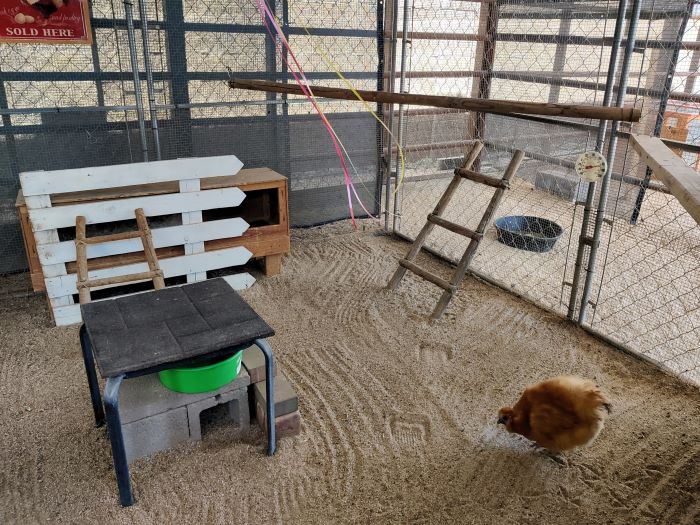
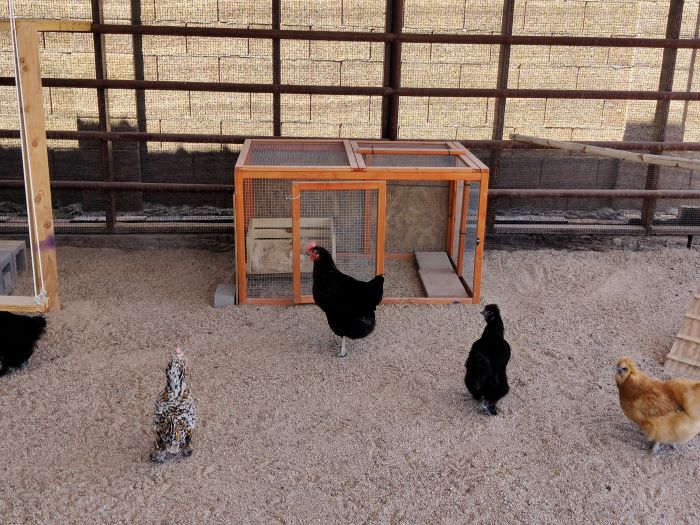
Aisle to the coopInside the 10×10 walk-in coop.Streamers are there so I know the fans are working. 🙂Feeding stations in outdoor runFully covered run with extra nest boxesBrooder in the community run for mothers to be
In chicken coops, agricultural lime, also known as calcium carbonate or calcitic lime, is commonly used. It is typically sold in garden centers, feed stores and sometimes hardware stores. Agricultural lime is used for various purposes in chicken coops, but is it right for your coop needs? Hope this information helps you decide.
The Benefits of Agricultural Lime Keeping the chicken coop smelling fresh is important, and lime plays a key role in this. Lime helps to get rid of bad smells by balancing out acidic substances and lowering the levels of ammonia in the chicken waste and bedding. This makes the environment nicer for both the chickens and the people taking care of them. Disease Prevention: Lime has antimicrobial properties that can help reduce the risk of bacterial and fungal growth in the coop. By controlling microbial populations, it can contribute to the overall health and hygiene of the chicken coop. Drying Agent: Lime can absorb moisture, which helps to keep the coop bedding dry. This is important for preventing the growth of mold and bacteria, as well as reducing the risk of respiratory issues in the chickens. Pest Control: Lime can deter pests such as flies and mites, which are common nuisances in chicken coops. Its alkaline nature can make the environment less hospitable for these pests. Precautions When using lime in a chicken coop, it’s important to follow recommended guidelines for application to ensure the safety and well-being of your chickens. Lime is typically applied to the floor of the coop and always in moderate amounts. Overuse of lime can lead to excessively high pH levels, which may be harmful to the chickens. It’s also crucial to follow recommended safety precautions, such as wearing protective gear like masks and gloves when handling lime, as it can be caustic to skin and eyes in its powdered form. Remember, good ventilation is always important to prevent the inhalation of lime dust. Just a Little Reminder: Always Be Safe Around Chickens You should always wear a mask when cleaning the coop; it just makes good sense to avoid inhaling debris from a chicken coop. You can learn more about the importance of wearing a mask HERE.
After 15 years of raising chickens in numerous different coops, I finally went all out and had San Tan Valley Coops of Arizona build the chicken coop of my dreams.
Every chicken enthusiast understands that maintaining a chicken coop is an ongoing endeavor of constant upgrades. There’s always room for improvement, particularly when it comes to size, as coops never seem spacious enough to accommodate our flock that somehow keeps getting bigger. Concern about the safety from predators is always a concern, and aesthetically, there’s a never-ending desire to make a coop better. Owning and raising birds is only half the enjoyment; the other half lies in having a coop that is not only functional but also a comfortable place for us to do chicken chores. The transformation of this build is by San Tan Valley Coopsand without a doubt, it showcases impeccable craftsmanship. I must admit, maybe I indulged a bit this time, but I have no regrets. As the saying goes, “You get what you pay for,” and without a doubt, San Tan Valley Coops delivered pure quality.
Before & After
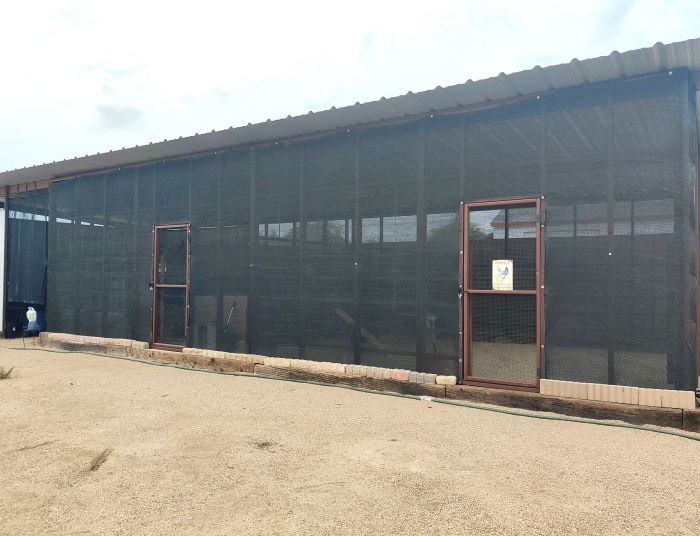
The Completed Coop With Shade Cloth Installed for Protection from the Sun
Side View
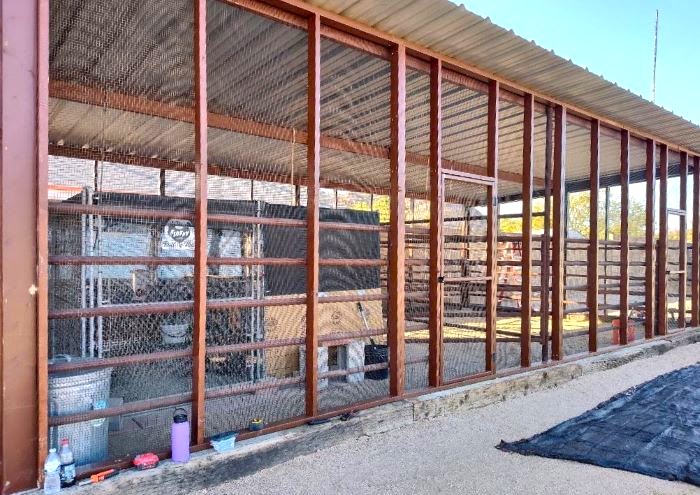
The frame is 2×4 construction, heavy-grade 1/2-inch black hardware cloth, and two doors to make coop access easy. Door latches are high quality, and I’m confident the entire build is predator-proof. Coyotes, bobcats, and hawks are my problem here, but good luck, guys; getting into this coop is definitely not going to be worth the challenge. The building’s foundation is set on railroad ties secured in concrete and railroad spikes. I have a 10×10 interior coop for the night, where there is a little more protection from the summer monsoons and infrequent seasonal wind. It doesn’t get cold here in the winter; temps seldom drop below 40. Although it hardly ever rains here, the barn roof is waterproof and has an ample overhang. And, because I’m not crazy enough… I put cameras in the coop so I can check on my girls from the house. 🙂









 TBN Ranch Chicken Keeping Resources