Silkie Bantam

All About the Beautiful Silkie Bantam
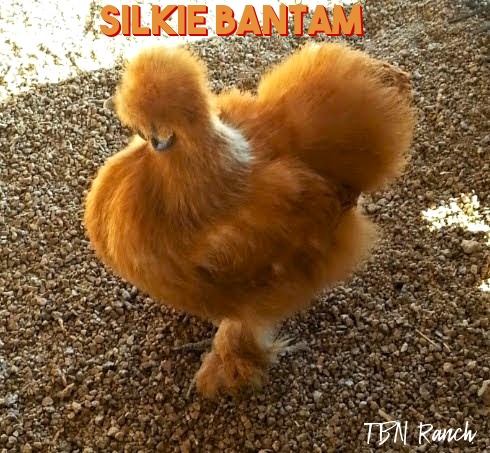
Silkies are a breed of chicken known for their fluffy, soft plumage that resembles fur. They have a distinctive appearance, five toes, and with combs and wattles should be a mulberry color or black. Their beak is usually a blue-gray color. They have black eyes and are described as exotic chickens. They are prized for their soft fluffy appearance and are quite popular in showing and exhibition.
They are known for having a calm and docile temperament, making them a popular choice for backyard flocks. They are a bantam breed, which means they are smaller in size compared to other chicken breeds. Silkie bantams typically weigh between 1.5 and 2.5 pounds. The weight can vary slightly depending on the sex of the bird, with roosters generally being slightly heavier than hens.
Silkies are thought to have originated in Asia, with China being the most likely place of origin. They were brought to Europe in the 13th century by Marco Polo and were later introduced to the Americas by early settlers. They are a hardy breed, able to tolerate cold weather, and can be raised in both free-range and confined environments.
Silkies are not known for being great layers, but I don’t find this to be true. My Silkie ladies lay most every day…. when not broody. They do indeed tend to be quite broody but are very attentive mothers, so they’re a great option for people who are interested in breeding ornamental chickens.

The Silkie chicken breed is available in bearded and non-bearded varieties. The bearded Silkie strain has a muff under the beak which covers the earlobes – this is absent in the other non-bearded Silkies. The Silkie rooster has a circular-shaped comb while the hen has a small, flat comb.
Silkie chickens come in many interesting colors, but accepted varieties include black, blue, buff, and white colors. Splash and partridge are also recognized and accepted APA colors.
Silkies are rather slow to mature, and usually don’t start laying until they reach 6 or 7 months. Eggs are cream in color and are considered small to medium.
Interesting fact: Silkies cannot fly, so roosts in the coop should be positioned low to the ground. You can offer a ladder to a higher roosting bar, but for the most part, I find Silkies prefer to be no more than 2 ft off the ground.

Back to Chicken Keeping Resources HOME PAGE

Fun Facts About Chickens

Did You Know?

Chickens are one of the oldest domesticated animals, with evidence of their domestication dating back to ancient Egypt over 4000 years ago.
Chickens are intelligent birds and can remember and recognize up to 100 other chickens.
Chickens have a complex social hierarchy and communicate with each other using over 30 different vocalizations.
Chickens can dream and have a sleep-wake cycle similar to humans.
Chickens have a good sense of direction and can find their way home over long distances.
Chickens have a pecking order and establish a social hierarchy through pecking and other forms of behavior.
Chickens can exhibit personality traits such as shyness or aggression, and some breeds are known to be more docile or energetic than others.
Chickens are omnivores and will eat a variety of foods, including seeds, insects, and even small reptiles.
Chickens have a highly developed sense of taste and are able to distinguish between different flavors.
Chickens are known for their ability to produce eggs, but they can also be raised for their meat.
More Interesting Facts…
Chickens, like all animals, have certain vital signs that are important indicators of their health and well-being. Some of the vital signs of chickens include:
Heart rate: A chicken’s normal heart rate is between 250 and 300 beats per minute.|
Respiratory rate: A chicken’s normal respiratory rate is between 15 and 25 breaths per minute.
Body temperature: A chicken’s normal body temperature is between 105-106.7 degrees Fahrenheit (40.5 and 41.5 degrees Celsius).
Capillary refill time: This is the time it takes for the blood to return to a chicken’s comb (the fleshy protuberance on top of its head) after being pressed. A normal capillary refill time is less than 2 seconds.
Hydration: Chickens should have moist, elastic comb and wattles (the fleshy protuberances on either side of the head). Dry comb and wattles can be a sign of dehydration.
Behavior: Chickens should be active and alert, with a normal appetite and thirst.
Monitoring these vital signs can help you identify any health issues that your chickens may be experiencing, and allow you to take appropriate action to address them.

Back to Chicken Keeping Resources HOME PAGE

Free Range Easy Fill Drinker, Design Flaw. An Updated Review

There is a problem with this drinker, I’m disappointed to report a major design flaw that needs to be addressed. I used this drinker for about a week and kept finding the tank full and the tray dry. This is a death sentence in Phoenix where temps are 110+. There isn’t a vent in the cover, causing a vacuum and therefore a stoppage of water flow. I drilled a couple of holes in the lid and now it’s working nicely.

I thought the Free Range Easy Fill Drinker was a good choice for our farm because it held 3.5 gallons of water, keeping it cooler longer when the temps are extreme. For the price, I expected more, and now it’s up $10+ dollars!
I won’t tell you not to buy this drinker, but be prepared to drill a few holes in the cover or you’ll find your birds without water.
FYI: I’ve contacted the manufacturer about this problem. No response.

Back to Chicken Keeping Resources HOME PAGE