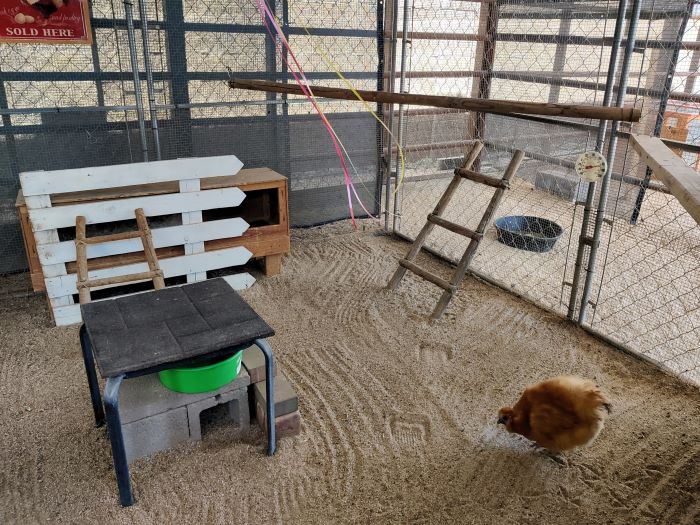
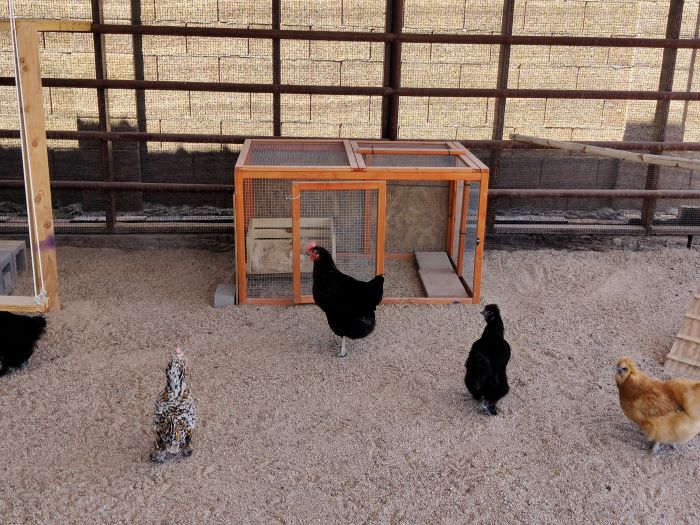
Every year brings new opportunities for improvements in our coop, and this year is no different. One significant upgrade stands out: the installation of an evaporative cooler to ensure my hens stay comfortable in the desert heat. Additionally, I’ve expanded the run, incorporated surveillance cameras so I can keep an eye on them, upgraded the shade cloth for better sun protection, and insulated all the barn pipes to help keep the water cooler. So let’s take a look!
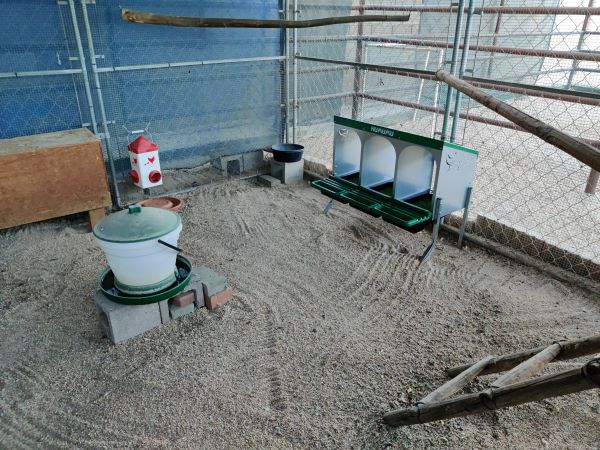
Aisle to the coopInside the 10×10 walk-in coop.Streamers are there so I know the fans are working. 🙂Feeding stations in outdoor runFully covered run with extra nest boxesBrooder in the community run for mothers to be
Using diatomaceous earth (DE) in your coop or in dust baths poses a threat to both you and your chickens, as it results in the continuous presence of dangerous irritant particles in the air. Diatomaceous earth (DE) serves no essential purpose, raises safety concerns, and proves ineffective for its claimed applications.
The primary concern with using DE is the fine dust that it creates when handled. When under a microscope, you can see that Diatomaceous Earth is fine and very sharp. Inhaling this dust is a lung and respiratory irritant, potentially leading to respiratory issues. I’m not just talking about this being a danger to your chickens, but to you as well. As you well know, there are always particles in the air when you are cleaning the coop, maybe from a windy day, or just from your birds scratching around looking for bugs. Once you lay down DE you are putting yourself and your birds at risk, even if you put shavings on top. If you’re wondering if food grade DE is safe, the answer is NO. If you’re not concerned about lung and respiratory problems, the other issue with using DE is irritation to the skin and eyes, especially in the dry powder form. So, if you’re going to use DE, I hope you don’t mind wearing a mask, gloves, and protective eyewear. And, if you don’t mind putting your chickens’ health at risk or wearing hazmat apparel when caring for your chickens, then go ahead and use DE… but you have been warned of the consequences. Here’s What Another Chicken Keeper Says About DE: The Cut & Dry Truth About Diatomaceous EarthBy The Chicken Chick
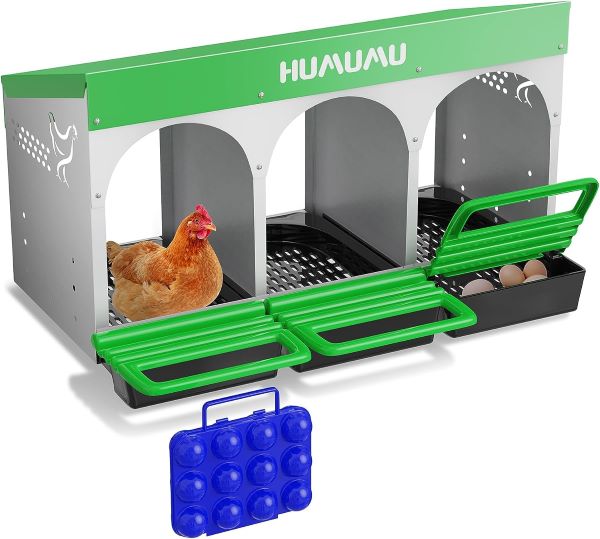
“I chose the 3-hole nest box with legs rather than a wall mount. The unit is available in different sizes, sturdy, and very well made. The removable plastic nest box is a grate, and this was the selling point for me. I put artificial turf in my nest boxes; however, when I have an unwanted broody hen, I’m hoping removing the turf discourages this. The box itself has great airflow, which is perfect for climates with hot summers. ” – TBN Ranch
About the Humumu 3 Hole Nest Box
HUMUMU Chicken Nesting Box is designed specifically to provide clean, comfortable, safe, and covered laying space for hens, giving them a sense of security and increasing egg production. These durable, stable, and easy-to-assemble nesting boxes can be used long-term. One of the biggest benefits of the HUMUMU Chicken Nesting Box is its slightly tilted design, allowing eggs to roll into the tray. This protects and cleans the eggs, making them easy to collect at any time. You can effortlessly obtain more high-quality eggs. We recommend placing some bedding under the egg box cover for additional egg protection. These Nesting Boxes are different from any other nesting box on the market. They are made using high-quality materials for durability. Hot-dip galvanized stainless steel and highly durable ABS plastic ensure a long lifespan. Unique side-hole designs increase hen airflow and breathing ability. The removable trays are easy to clean, and any other excess can be washed away with water by removing the trays. Each package includes all the screws and nuts needed for assembly, as well as a bonus egg collection tray that can hold up to 12 eggs. Unit can be hung and dismantled easily with the key-shaped hanging hole and installed at a height of 18-22 inches above the ground.
Assembly Directions Were Unclear, So Here’s a Helpful Video…






 TBN Ranch Chicken Keeping Resources