A Few Breed Choices for High Yield and Excellent Egg Quality
Leghorn / Hen: 4 pounds

The best egg layer and the feed-to-egg conversion ratio are excellent, holding down the cost of egg production. These birds start laying earlier than most at 41/2 – 5 months and on average lay 10 -12 weeks longer than most good laying hens. If you’re looking for the breed that’ll give you the most eggs of superior quality in the smallest amount of space, consider the Leghorn. They are a white egg layer of top-grade eggs with good size.
Although these birds aren’t usually found in your local feed store, you can ask a feed store to order them for you when THEY buy chicks, they’re often willing to oblige.
Rhode Island Red / Hen: 6 lbs.

R.I. chicks are readily available in almost all feed stores. They are excellent layers of sizable brown eggs. They do quite well in confinement but can be a bit bossy. These dual-purpose heavy birds are a dark mahogany color and have earned their reputation as a favorite among chicken keepers for years.
No other heavy breed lays more or better eggs than the Rhode Island Red.
The Dominique / Hen: 5 1/2 pounds

This is one of my favorite breeds on the farm. They are hardy in extreme heat, confine well, are extremely docile, friendly, and brown egg layers. You can expect the Dominique to lay every other day, and here in Arizona mine lay most all winter.
My Dominique hens are non-aggressive to other members of the flock, and I’ve introduced new birds with only minor confrontations.
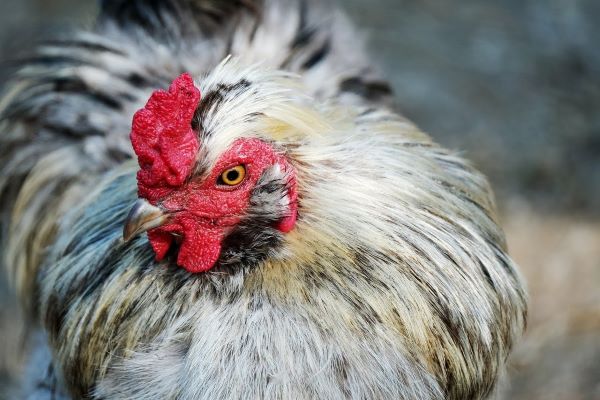
This particular hen is now three years old and still laying quality eggs every other day.
More Options…
You can also buy pullets (hens at their point of lay) if you want to skip raising chicks altogether. Check your local Craigslist under Farm & Garden, you may find just the breeds you’re looking for right in your neighborhood. Expect to pay $15 to $25 each. Beware of buying chicks though… they’re usually not sexed and you might end up with a rooster, finding yourself in violation of most local city codes.



 TBN Ranch Chicken Keeping Resources