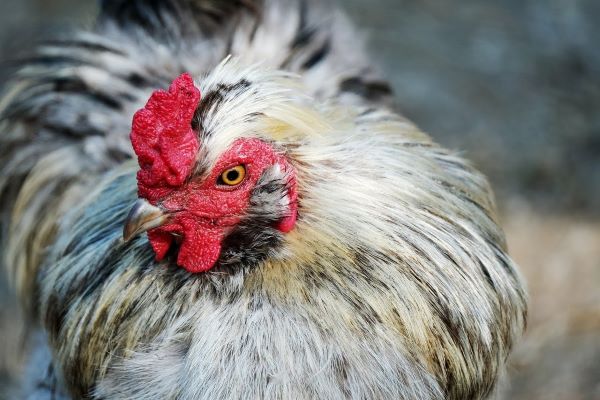
Chickens are active and full of personality by day… then when the sun goes down they turn into a total milk dud. I don’t understand the reason for this zombie-like behavior, except maybe as an asset to chicken keepers.
Chickens have a strong homing instinct which drives them to return to the same place to roost at dusk. Because of that homing instinct, once chickens have spent a few nights in the coop provided for them, they will continue to return there night after night. However, it is not uncommon to have one or even a few that insist on choosing another place to roost, such as a tree limb, roof, or fence. If this occurs, you can place them in the coop by hand. It may take a week or so before they figure out where the home is supposed to be. But with a little persistence on your part, they all do. So, yes, chickens are trainable.
A chicken’s night behavior is indeed weird, but if you’re smart you can certainly use it to your advantage. The night is the best time to handle, inspect, and doctor chickens. Especially the ones that are difficult or impossible to catch during the day. Every flock has a few birds that are feisty and full attitude, don’t sweat it… they all turn into a sac of potatoes when the sun goes down.
Even if you sneak a new bird in the coop after dark, it will most likely go unnoticed until morning. Some chicken keepers choose to introduce birds this way. However, I must warn you, a chicken’s night stupor disappears the moment they march out of the coop at the crack of dawn. Then it’s a whole new ball game of unkind introductions!


