Recycled Coffee Grounds for Chicken Coops? Learn More Here

A New Way to Keep Your Chicken Coop Clean & Smelling Fresh

Coffee grounds chicken bedding is a new type of bedding material for chicken coops that utilizes used coffee grounds. Instead of disposing of the coffee grounds, they are repurposed as bedding material for chickens. The idea behind using coffee grounds as chicken bedding is that it is a sustainable and eco-friendly alternative to traditional bedding materials such as straw or pine shavings. Not to mention, the coop certainly would smell great!
It’s important to note that coffee grounds should not be the only source of bedding material in a chicken coop. They can be used in combination with other materials such as pine shavings to provide a comfortable nesting box for egg-laying and broody hens.
I haven’t found this new product anywhere in Phoenix, but other chicken keepers have found it available at Rural King. Unfortunately, we don’t have that store here. Some people have found it at Tractor Supply, but our neighborhood TSC hasn’t gotten on board with this new product yet. Therefore, I haven’t been able to try it, nevertheless, I wanted to at least keep my readers informed with new products that might make chicken-keeping chores easier.
Using a long-handle litter scoop would be handy in keeping the coop clean on a daily basis. The litter scoop is available on Amazon.

Here’s what Rural King Farm & Home Store Says About Recycled Coffee Grounds Animal Bedding

Our 100% All Natural Animal Bedding is made from 100% recycled coffee grounds. To answer the question you’re asking yourself – Yes! It is completely safe for your animals. There is no caffeine or anything harmful in our coffee grounds.
Our bedding makes your coop smell like your favorite local coffee shop, it doesn’t decompose and break down into dust, and it acts like a cat litter for your animals’ droppings, making for a quick and easy clean up! When you’re ready to swap out your used bedding for new, go ahead and toss our grounds in your compost pile or in the yard!
Here are the Benefits:
Grounds All Natural Animal Bedding is made from recycled coffee grounds and is great for chickens (chicks), ducks, and turkeys!
Grounds bedding has a great coffee scent.
Pet bedding has no dust and does not break down like traditional wood shavings.
Small pet bedding is easy to clean and scoop out unwanted waste
Natural pest repellent.
Longer-lasting clean coop, less maintenance required.
Made in the USA from recycled coffee grounds with virtually no caffeine.
Spread 0.5-1 in. depth in the chicken coop.

Back to Chicken Keeping Resources HOME PAGE

Everything You’ll Need To Raise Chickens

The Basics of What You’ll Need to Get Started


Your start-up cost for raising chicks & chickens can be costly, but you can plan ahead and buy a little at a time. There is plenty of time to have chickens, it can be next season or even the one after! Expect to pay somewhere around $1,000+ for a modest set-up… or better yet, take your time and build the coop of your dream.
Chicken Coop
A sturdy, weatherproof coop is essential for providing your chickens with shelter and protection from predators. Make sure it’s large enough to comfortably house your desired number of chickens, with nesting boxes for laying eggs, perches for roosting, and proper ventilation. How Much Space Do Chickens Need?
Chicken Run
A secure outdoor space where your chickens can exercise and forage. It should be fenced & covered to prevent them from escaping and protected from predators. It should be tall enough for you to easily access it for cleaning.
Bedding
Chickens need clean and dry bedding to keep them comfortable and to help manage waste. Pine shavings are a good choice and are readily available at feed stores. Use a good amount on the floor of the coop and in the nest boxes. However, sand in my opinion will make your cleaning chores a breeze!
Chicken Feed
A balanced and nutritious diet is important for healthy chickens. You’ll need to provide them with good quality chicken feed that’s appropriate for their age and stage of production. Organic feed is available if that is your choice, although it is substantially higher in price.
Waterer
Chickens need access to clean, fresh water at all times. Use a waterer designed specifically for chickens. If you start with chicks, you’ll need a special smaller waterer for them.
Feeder
A feeder designed for chickens or chicks will help keep their food clean and prevent waste. There are various types available.
Nesting Boxes
Hens need nesting boxes where they can lay their eggs. These should be clean, dry, and comfortable, with some privacy for the hens. You’ll need one nest box for every two hens.
First Aid Kit
It’s always good to have a basic first aid kit for any potential chicken health issues. It should include items like poultry vitamins, electrolytes, wound care supplies, and poultry-safe insecticides.
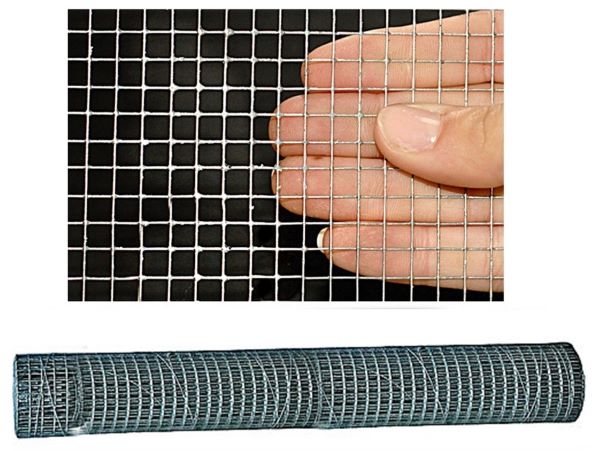
Chicken Wire or Hardware Cloth
To keep your chickens safe from predators, you’ll need to cover any openings in your coop or run with chicken wire or hardware cloth. Make sure it’s sturdy and predator-proof.
Cleaning Supplies
Keeping your coop clean and sanitary is important for the health and well-being of your chickens. You’ll need tools like a rake, shovel, broom, and a putty knife for regular cleaning.
Perches
Chickens need perches to roost at night. Provide them with sturdy, rounded, or flat perches that are at least 2-3 feet off the ground.
Dust Bath
Chickens love to dust bathe, which helps them clean their feathers and control parasites. You can provide them with a designated area filled with sand. Avoid using food-grade diatomaceous earth anywhere in your coop, this can cause serious health and respiratory issues in chickens.
Egg Collection Basket
If you’re keeping hens for eggs, you’ll need a place to collect and store the eggs. An egg collection basket or egg cartons are good options.
A Brooder for Baby Chicks
A brooder is an enclosure or container designed to provide a warm and safe environment for newly hatched chicks to grow and develop until they are fully feathered.
Heat Source
If you’re raising chicks, they’ll need a heat source to keep warm. This can be a heat lamp or preferably, a radiant heat brooder plate.
Thermometer for the Brooder
A thermometer allows you to monitor the temperature and make adjustments as needed to ensure that the chicks are comfortable and healthy.
Grit
Whether or not chicks need grit to help digest their food is controversial. Today, it is said that if feeding commercial feed, grit isn’t necessary. I’ll leave this option for you to decide.

Back to HOME PAGE

10 Essential Tips for Healthy Chickens

Provide a clean and spacious coop: Chickens need a clean and dry living environment to prevent diseases. Regularly clean the coop, remove any droppings, and provide fresh bedding.
Provide fresh food and water: Chickens need access to fresh food and water at all times. Provide them with a balanced diet that includes grains, proteins, and minerals, and make sure they have access to clean water to stay hydrated.
Practice good biosecurity: Implement good biosecurity measures to prevent the spread of diseases. Limit access to your chicken coop, avoid introducing new birds without proper quarantine and testing, and practice good hygiene when handling chickens.
Keep chickens protected from predators: Predators like foxes, raccoons, and birds of prey can pose a threat to your chickens. Make sure your coop is securely fenced and protected with sturdy wire mesh to keep predators out.
Allow chickens to free-range: Giving chickens access to a fenced or enclosed area where they can forage for insects, worms, and greens can improve their overall health and well-being. Free-ranging also helps to prevent boredom and encourages natural behaviors.
Keep the coop well-ventilated: Proper ventilation in the coop is crucial for preventing respiratory issues and reducing ammonia buildup from chicken droppings. Make sure the coop has windows or vents that can be opened to allow fresh air to circulate.
Keep the coop and nesting boxes clean: Regularly clean the coop and nesting boxes to prevent the buildup of droppings, which can attract pests and lead to diseases. Replace soiled bedding with fresh bedding regularly.
Provide dust baths: Chickens love to take dust baths, which help them to clean their feathers and prevent mites and lice. Provide a dry, sandy area in the coop or run for them to take dust baths.
Don’t overcrowd: Make sure the coop is spacious enough to allow chickens to move around freely. At least 2ft. of ground space for each bird is preferred.
Limit Treats: A nutritionally balanced diet is compromised by treats. Treats should never compromise more than 5% of a hen’s dietary intake. This includes healthy foods & supplements, which can replace a portion of essential dietary elements found in manufactured feed.

Back to HOME PAGE