The Basics of What You’ll Need to Get Started
 Your start-up cost for raising chicks & chickens can be costly, but you can plan ahead and buy a little at a time. There is plenty of time to have chickens, it can be next season or even the one after! Expect to pay somewhere around $1,000+ for a modest set-up… or better yet, take your time and build the coop of your dream.
Chicken Coop
A sturdy, weatherproof coop is essential for providing your chickens with shelter and protection from predators. Make sure it’s large enough to comfortably house your desired number of chickens, with nesting boxes for laying eggs, perches for roosting, and proper ventilation. How Much Space Do Chickens Need?
Chicken Run
A secure outdoor space where your chickens can exercise and forage. It should be fenced & covered to prevent them from escaping and protected from predators. It should be tall enough for you to easily access it for cleaning.
Bedding
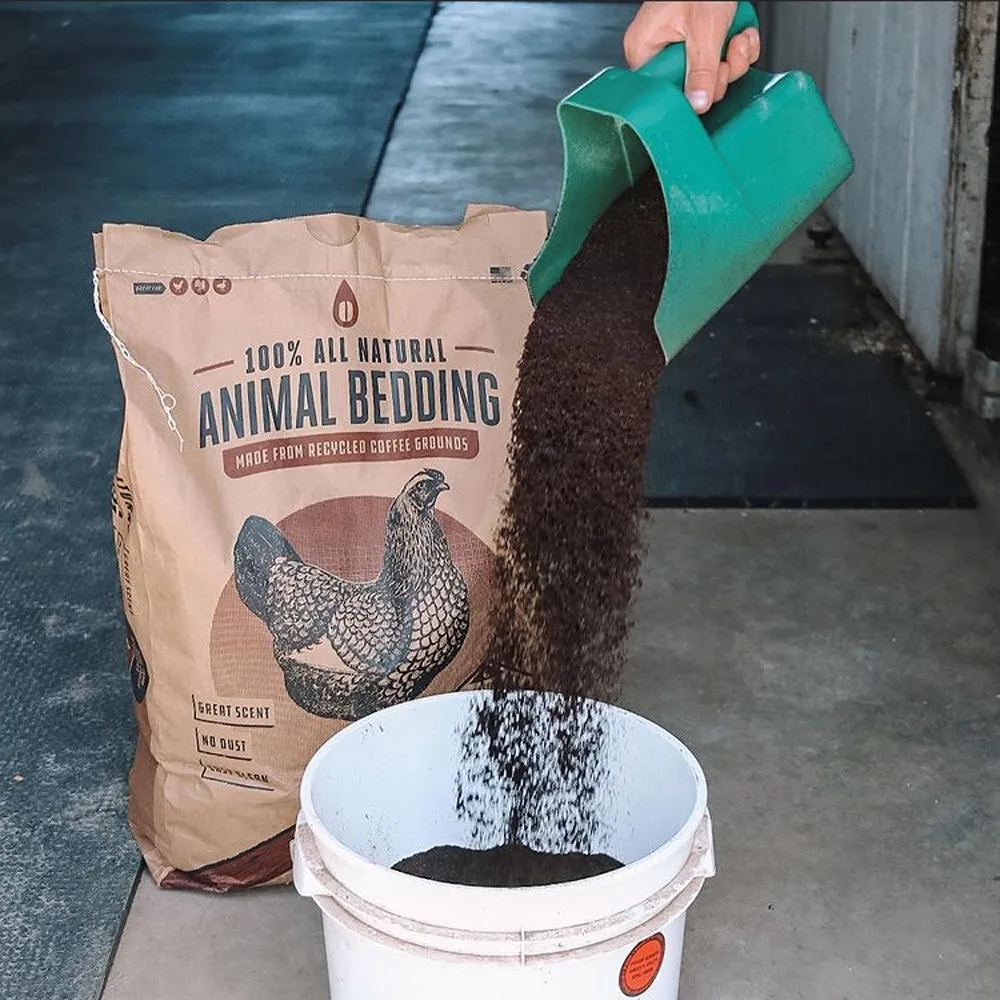
Chickens need clean and dry bedding to keep them comfortable and to help manage waste. Pine shavings are a good choice and are readily available at feed stores. Use a good amount on the floor of the coop and in the nest boxes. However, sand in my opinion will make your cleaning chores a breeze!
Chicken Feed
A balanced and nutritious diet is important for healthy chickens. You’ll need to provide them with good quality chicken feed that’s appropriate for their age and stage of production. Organic feed is available if that is your choice, although it is substantially higher in price.
Waterer
Chickens need access to clean, fresh water at all times. Use a waterer designed specifically for chickens. If you start with chicks, you’ll need a special smaller waterer for them.
Feeder
A feeder designed for chickens or chicks will help keep their food clean and prevent waste. There are various types available.
Nesting Boxes
Hens need nesting boxes where they can lay their eggs. These should be clean, dry, and comfortable, with some privacy for the hens. You’ll need one nest box for every two hens.
First Aid Kit
It’s always good to have a basic first aid kit for any potential chicken health issues. It should include items like poultry vitamins, electrolytes, wound care supplies, and poultry-safe insecticides.
Chicken Wire or Hardware Cloth
To keep your chickens safe from predators, you’ll need to cover any openings in your coop or run with chicken wire or hardware cloth. Make sure it’s sturdy and predator-proof.
Cleaning Supplies
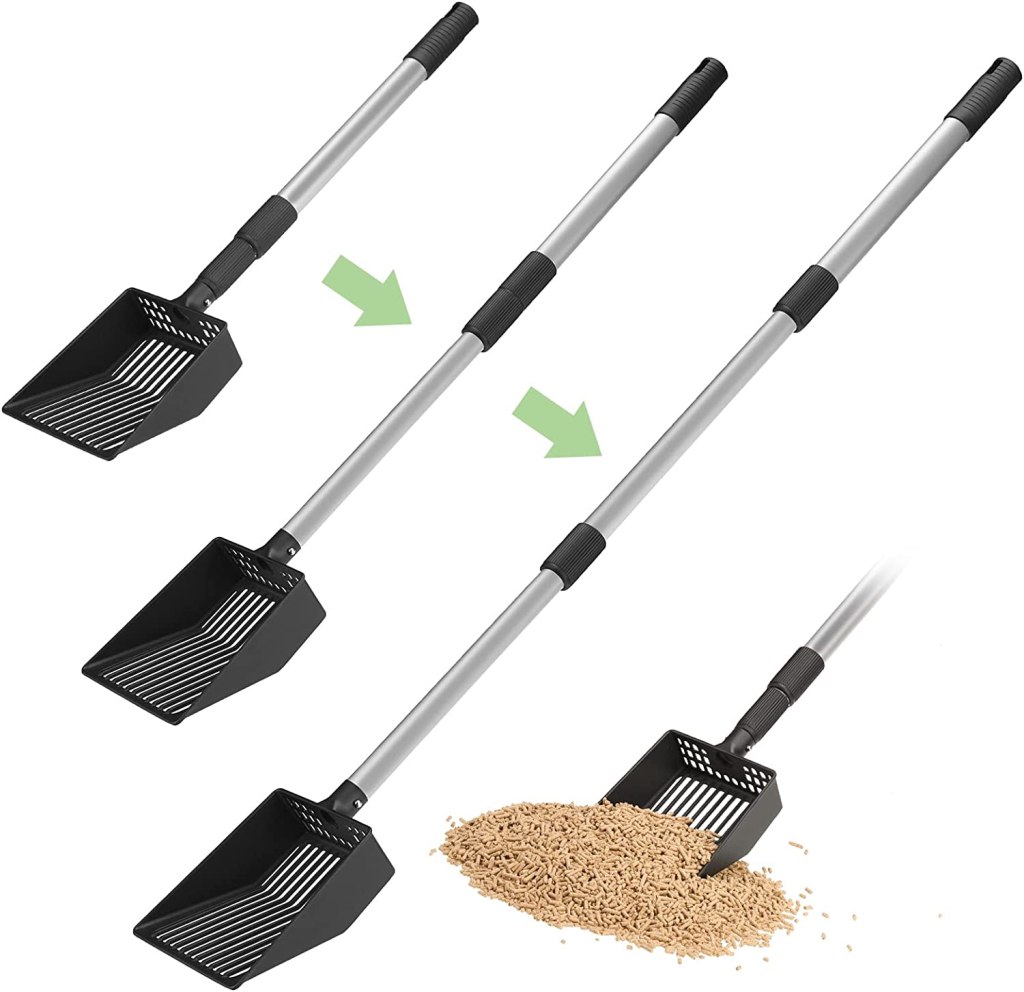
Keeping your coop clean and sanitary is important for the health and well-being of your chickens. You’ll need tools like a rake, shovel, broom, and a putty knife for regular cleaning.
Perches
Chickens need perches to roost at night. Provide them with sturdy, rounded, or flat perches that are at least 2-3 feet off the ground.
Dust Bath
Chickens love to dust bathe, which helps them clean their feathers and control parasites. You can provide them with a designated area filled with sand. Avoid using food-grade diatomaceous earth anywhere in your coop, this can cause serious health and respiratory issues in chickens.
Egg Collection Basket
If you’re keeping hens for eggs, you’ll need a place to collect and store the eggs. An egg collection basket or egg cartons are good options.
A Brooder for Baby Chicks
A brooder is an enclosure or container designed to provide a warm and safe environment for newly hatched chicks to grow and develop until they are fully feathered.
Heat Source
If you’re raising chicks, they’ll need a heat source to keep warm. This can be a heat lamp or preferably, a radiant heat brooder plate.
Thermometer for the Brooder
A thermometer allows you to monitor the temperature and make adjustments as needed to ensure that the chicks are comfortable and healthy.
Grit
Whether or not chicks need grit to help digest their food is controversial. Today, it is said that if feeding commercial feed, grit isn’t necessary. I’ll leave this option for you to decide.







 TBN Ranch Chicken Keeping Resources