The freshness and safety of eggs can vary depending on several factors, including how they are stored and whether they are raw or cooked. However, I can offer you the basic safety guidelines to follow. There is also an easy float test that can determine the age of an egg, so let’s get started. Fresh eggs (in the shell): Fresh eggs can be stored in the refrigerator for up to 4-5 weeks from the date of purchase. However, it’s best to use them within the first 3 weeks for optimal quality and taste. Hard-boiled eggs: Hard-boiled eggs, with the shell intact, can be stored in the refrigerator for up to 7 days. It’s important to keep them refrigerated and avoid leaving them at room temperature for too long. Raw eggs (cracked): If you crack eggs and store them in an airtight container in the refrigerator, they should be used within 1-2 days. However, it’s generally recommended to use fresh, uncracked eggs for the best results. Cooked eggs (scrambled, fried, etc.): Cooked eggs can be stored in the refrigerator for up to 3-4 days. Make sure to store them in a covered container to prevent cross-contamination with other foods. Egg dishes (quiche, frittatas, casseroles, etc.): If eggs are used in cooked dishes like quiche, frittatas, or casseroles, they should be consumed within 3-4 days when stored in the refrigerator.
Float Test to Determine Freshness
This is a Simple Way to Determine the Freshness of an Egg Fill a bowl with water with enough water to fully submerge an egg. Carefully place the egg in the water until fully submerged. Fresh Eggs Behave Differently From Older Eggs Fresh eggs: If an egg sinks to the bottom and lies flat on its side, it is very fresh and safe to eat. The egg yolk will be plump and the white will be thick. Less fresh eggs: If an egg stands upright on the bottom of the bowl, it is not as fresh, but still safe to eat. The egg yolk may be slightly less plump and the white may be slightly thinner. Old eggs: If an egg floats to the surface or stands upright on the surface of the water, it is not fresh and should be discarded. The egg yolk will be flat and the white will be watery.
Farm-fresh eggs are often considered to be of higher value compared to store-bought eggs due to a variety of factors.
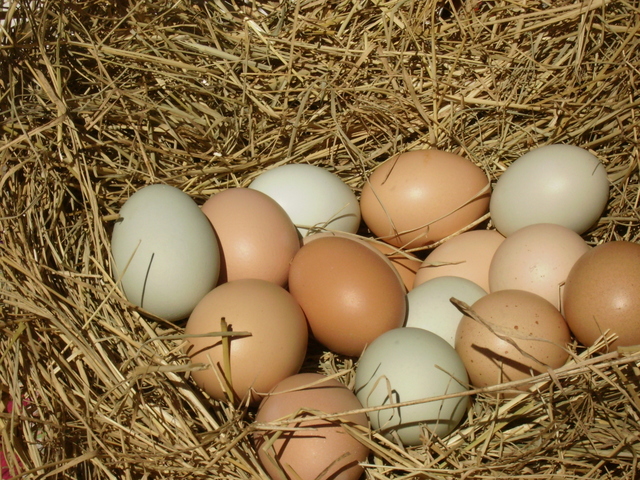
Nutritional value: Farm-fresh eggs are often considered to be more nutritious than store-bought eggs. This is because hens raised on small farms are typically allowed to roam outside and eat a more varied diet than factory-farmed chickens. As a result, their eggs tend to be richer in nutrients such as omega-3 fatty acids, vitamins A and E, and beta-carotene. Taste: Many people also believe that farm-fresh eggs taste better than store-bought eggs. This is because the yolks tend to be richer in color and flavor, and the whites tend to be firmer and creamier. Additionally, since farm-fresh eggs are often fresher than store-bought eggs, they may have a better texture and flavor. Sustainability: Choosing farm-fresh eggs can also be a more sustainable choice. Small-scale farmers often raise their hens in a more humane and environmentally-friendly way, and buying eggs directly from farmers can help support local agriculture. Safety: While all eggs are required to be inspected for safety, farm-fresh eggs may be perceived as being safer since they are often sold directly to consumers by the farmers who raised the hens. This can reduce the risk of contamination or food-borne illnesses that can occur during transportation and storage. Note: Farm-fresh eggs can be a great choice for people who prioritize nutrition, taste, sustainability, and food safety. However, it’s important to note that not all farm-raised eggs are created equal, and it’s important to do your research to find a trusted source for your eggs. Or, maybe consider having your own backyard flock, just be sure to check your local laws on keeping poultry before you join the chicken-keeping craze.
Can You Have Chickens Where You Live? Before you buy anything, make sure you’re allowed to have a backyard flock where you live. Check your local city ordinances, and remember, homeowner’s associations and residential subdivisions may have laws that aren’t included in government city ordinances. The Cost of Getting Started I certainly understand the cost of eggs has soared to an unreasonable price, and having your own fresh eggs every day sounds pretty nice. But like anything else, there’s a cost for that luxury. It has been said the cost of your first egg is $750, however, in today’s world, a $1,000 minimum may be closer to reality. Your baby chicks are going to need a brooder until they are 7-8 weeks old, then a suitable coop for the climate where you live. Don’t forget, there are numerous supplies needed to care for your chicks/chickens which we’ll address later in this article. In short, you can buy an awful lot of eggs for the cost of having fresh eggs in your backyard, let’s face it, you’re going to pay for eggs one way or another. Don’t forget there’s also a monthly cost of keeping chickens, there’s feed, shavings for the coop, and other necessities and/or miscellaneous supplies.
Still Interested? Then Let’s Get Started…
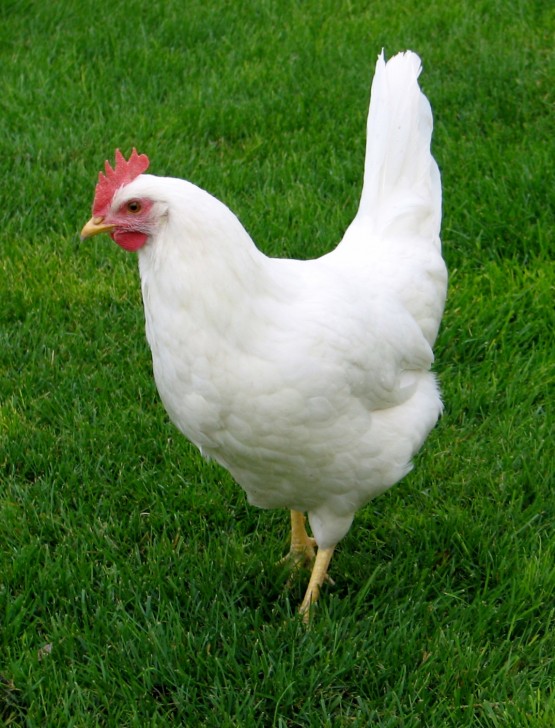
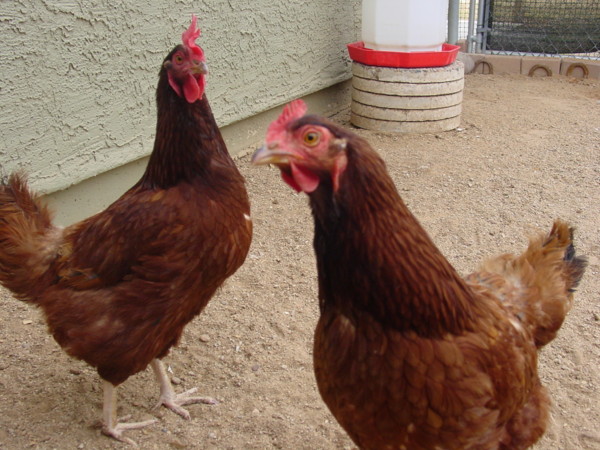
The Brooder for Baby Chicks A place to raise your baby chicks can be rather simple, a box will do, but chicks also need a drinker, feeder, and a heat source. Today, we use radiant heat, heat lamps are seldom used as they are difficult to regulate a consistent temperature, not to mention they are fire hazards. This means raising your baby chicks should be in the Spring, or when temperatures are moderate. Radiant heat is most efficient in temperatures above 55. Learn more about Radiant Heat Brooders. The Chicken Coop First-time buyers always buy a too-small coop, this will prove to be a mistake in the long run. Chickens need space in order to live in harmony, and happy chickens are what fill the egg basket. A coop should be easy for you to clean, and easy to gather eggs. It should be a suitable shelter for inclement weather and be predator-proof. And remember, you get what you pay for, buy quality, you’re not saving money if you have to buy a coop twice. View Coop Types How Much Space Do Chickens Need? Where to Get Your Chicks and Choosing the Right Breed Choosing a breed depends on what your chickens’ purpose is, egg production is the focus here, so learning about which hens are prolific egg layers is most important. Some breeds, especiallyexhibition or ornamental breeds have broody tendencies and are not a good choice for egg production. (A broody hen has a strong urge to hatch eggs, and a strong desire to sit on and incubate eggs. A broody hen will remain on the nest for extended periods of time, even when there are no eggs present. During this time she will not lay eggs.) Most Common Broody Breeds Buff Rocks, Cochins, Buff Orpington, Brahmas, Silkies, Sussex, Dominique, & Dorking. Note: The Silkie is probably the most broody of all. Most Common Prolific Egg Layers White Leghorn: An excellent egg layer, leghorns produce 280+ eggs annually. They lay large quantities of big white eggs. Rhode Island Red: An excellent choice for laying 260 large brown eggs annually. Ameraucana: (Easter Egger) Producing around 250 eggs per year. The eggs are medium in size and can be blue, green, white, or tinted pink in color. Polish Chicken (Top Hat) Looking for a hen with a little more character? The Polish hens lay about 200 eggs annually. This breed is not usually found in feed stores, but are available through online hatcheries.
White LeghornRhode Island Red Easter EggerWhite Crested PolishSilver Laced Polish
Where to Buy Chicks You can usually find baby chicks in your local feed stores, but you won’t have the opportunity to choose a specific breed. There are many hatcheries online that sell just about any breed you want, and your baby chicks will be shipped to your local post office. You will be notified when they’re shipped, and when they arrive. This is primarily how I buy all my birds. Here’s a list of Hatcheries to choose from. Wondering how many chicks to buy?
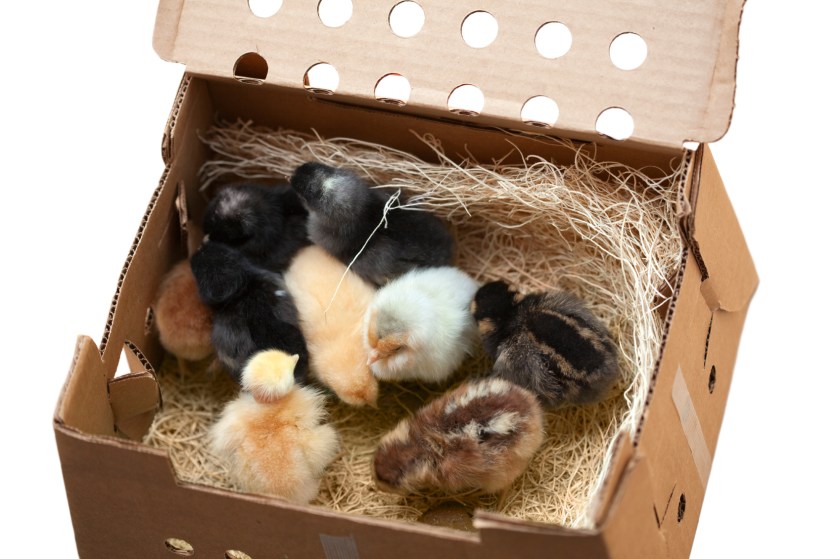
Mail order chicks arrive in a box like this & are shipped to your local post office.
Basic Start-up Supplies For Chicks Brooder for chicks (Brooder Box Ideas) Heat Source(Radiant Heat) Bedding (Pine Shavings) Chick Feeder & Drinker Chick Starter Feed Paper Towels (Best footing for the first week in the brooder. Also for pasting-up issues.) Basic Start-up Supplies for Chickens Coop Fencing (with cover) for outdoor run. Roosting Bar Drinker & Feeder Nesting Boxes (1 for every 2 birds) Pine Shavings Chicken Feed Metal trash can for 40lb bag of feed Rake Wheel barrel (for cleaning & managing pine shaving transporting feed bags.)
The real question you should be asking yourself isn’t about saving money on the cost of eggs… it’s whether or not you want to raise chickens and enjoy fresh eggs. Because quite honestly, it’s far more expensive to raise chickens than buying eggs at Walmart.





 TBN Ranch Chicken Keeping Resources