It’s best to keep a hen with fertile eggs under her in a separate place, but that’s not always possible. Personally, I like to keep my birds together, so this box is a nice solution. I found this pic somewhere and saved it so I could incorporate the idea into my coop. Why is this Box Important? Sometimes other hens can disturb a nest of fertile eggs causing them to break. Other hens may quit laying if they are discouraged to enter the community nest area by a hen with eggs under her. Newly hatched chicks may get injured or even killed by other members of the flock. I like having the wire top hinged. It’s nice and super easy to move a broody hen from the community nest area and has the option to close the lid as hatch day approaches.
As in all animals, the fusion of the ovum and the sperm is how fertilization occurs. Then an embryo forms and develops into a new organism. The chicken is no exception; their eggs need to be fertilized in order to develop a chick. A chicken will begin laying eggs between five and six months of age, until then she is called a pullet. However, climate, seasons, and other various factors do play a significant role in laying cycles. Certain breed types are also included in the variances of egg laying, first-time or otherwise. One thing is for sure, when a pullet reaches sexual maturity she will lay eggs whether or not there is a rooster present. Roosters [males] have reproductive organs which produce sperms that are released during mating. The sperms enter the oviduct of the hen [female] and continue a nearly week-long reproductive journey to meet the eggs. The sperm’s final destination is in the infundibulum. This is where they will wait about a week for the partially formed and unshelled eggs. If there is a yolk, the eggs are fertilized instantly. So, it’s safe to say you can expect fertile eggs seven to ten days after mating. Note: It is possible the hen may produce fertile eggs the following week as well. When hens are in the presence of a rooster there is a way to separate the fertilized eggs from infertile by a technique called candling. This method uses a bright light source behind the egg to show details through the shell. Fertilized eggs will show a darker yolk on one end, usually when they are one or two days old. Within two to three days, if incubated, you may actually see indications of a growing embryo.
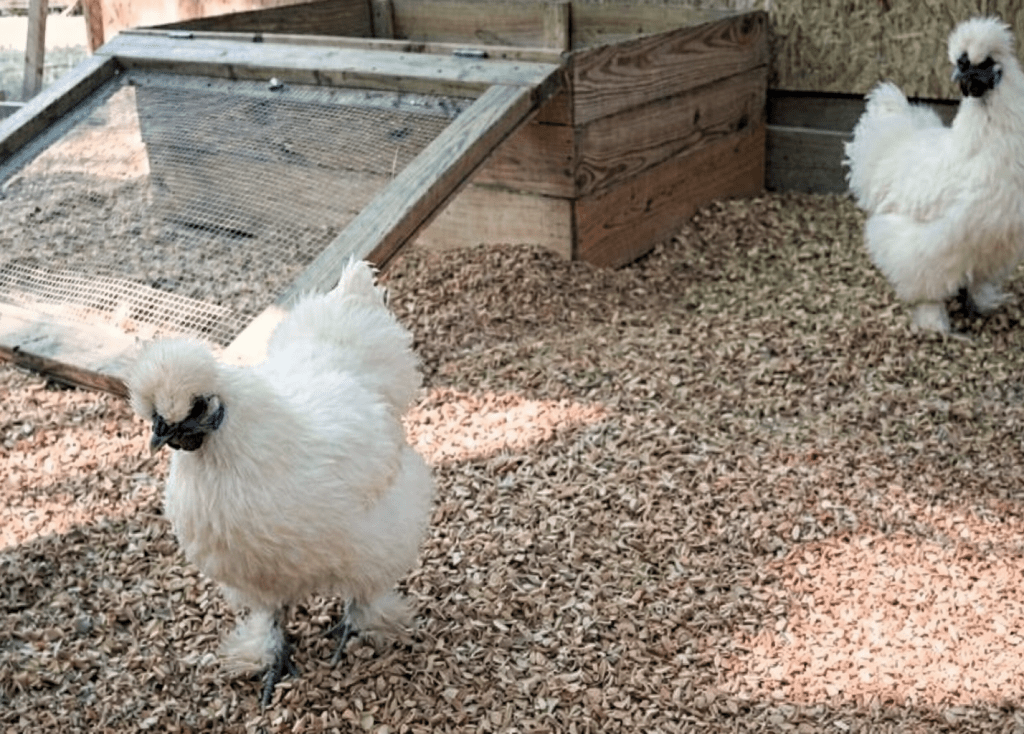
 It’s best to keep a hen with fertile eggs under her in a separate place, but that’s not always possible. Personally, I like to keep my birds together, so this box is a nice solution. I found this pic somewhere and saved it so I could incorporate the idea into my coop.

 TBN Ranch Chicken Keeping Resources