What is a Proper Roost for Chickens?

What Should a Roost Be Made Of, How High, and What Size?

This can be a complicated question because the answer somewhat varies. Although most articles you’ll read will say 8 inches per bird, this in my opinion is an argument waiting to happen. When it comes to chickens, space means everything. Bigger is better to keep peace among a flock. If the roost is too small the birds lowest in the pecking order will be bullied.
It’s best to avoid plastic and metal roosts, plastic is slippery, and metal can be either too cold or too hot, depending on the climate where you live.
Wooden 2×2 roosts are the favorite, the flat surface allows chickens to roost comfortably and also allows them to cover their feet in cold weather. Round roosts make keeping their feet warm difficult. You can use 2×4 roosts too, but keep in mind that’s a bigger surface and may be harder to keep clean.
The roost should be long enough to accommodate all the chickens in the flock. Ideally, each chicken should have at least 10 – 12 inches of roosting space.
The roosting bars should be higher than the nest boxes, at least 3 feet high, but some higher would be preferred with a ladder or ramp to access. This also helps prevent injuries from your birds jumping down from a high roost. Harmony among the flock keeps everybody happy, so having more than one roost is recommended.

Need Some Help Choosing a Roost?
Here Are Over 50 Different Types and Creative Ideas To View

Back to Chicken Keeping Resources HOME PAGE

Getting Chickens to Roost in the Right Place

Chickens have a strong homing instinct which drives them to return to the same place to roost at dusk. Those who for whatever reason have decided otherwise can easily be picked up when it’s dark and placed in the coop.  After a few days to a week at most, they usually give up the tree limb, fence, or corner they fancied and join the others in the coop without your interference.
Make sure it’s dark though! Because as soon as you turn your back they’ll run back to where you took them from. It’s very common for youngsters to choose a corner on the ground away from the coop.  Just pick them up and place them where you want them to be and they’ll catch on after a while. However, don’t be concerned if your young birds pile up together in the coop, just be glad they’re in there! As they mature they’ll find their way to the roost, usually at around five months old.
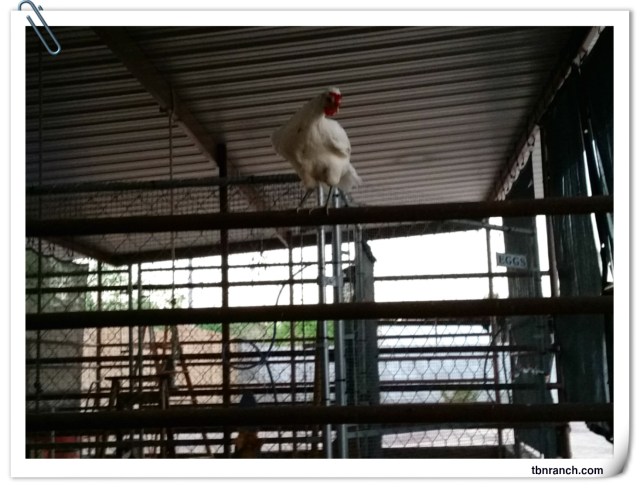
This four-month-old Leghorn chose this spot to roost for the night. After a few evenings of fetching her off the fence and putting her in the coop, she gave up and now joins the others on her own.

Leghorn Dottie 9316

Do all Chickens Roost?
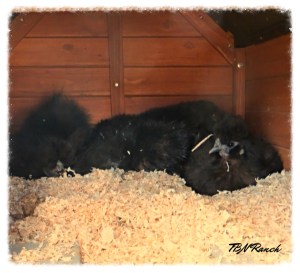
No, don’t ask me why… some, such as Silkies for example, are known to hunker down for the night in the coop, off the roost.
I have four one-year-old hens that refuse to roost, it doesn’t matter, as long as they are safely confined at night I just let them choose their comfort zone.

Broody Silkies 10-23-14

Night Behavior
A chicken’s behavior is dramatically different at night. During the day they are full of life, feisty, and confident, but when the night comes they turn into total milk duds, almost as if they were in a hypnotic state. Take advantage of this time, this is your hassle-free ticket to handle, inspect, and doctor chickens. Especially the ones that are difficult or impossible to catch during the day.
Chickens are so docile at night that you can usually sneak a new bird in the coop after dark, it will most likely go unnoticed until morning. Some chicken keepers choose to introduce birds this way. But I must warn you, a chicken’s night stupor disappears the moment they march out of the coop at the crack of dawn. Be prepared to witness a whole new ball game of unkind introductions, to say the least! Learn more about Introducing Chickens to an Existing Flock.

Back to Chicken Keeping Resources HOME PAGE

Save

Save

Save

Save

Save

Save

Save

Save

Save

Save