What’s New in the Chicken Coop

The Ultimate Set-up Just Got Better
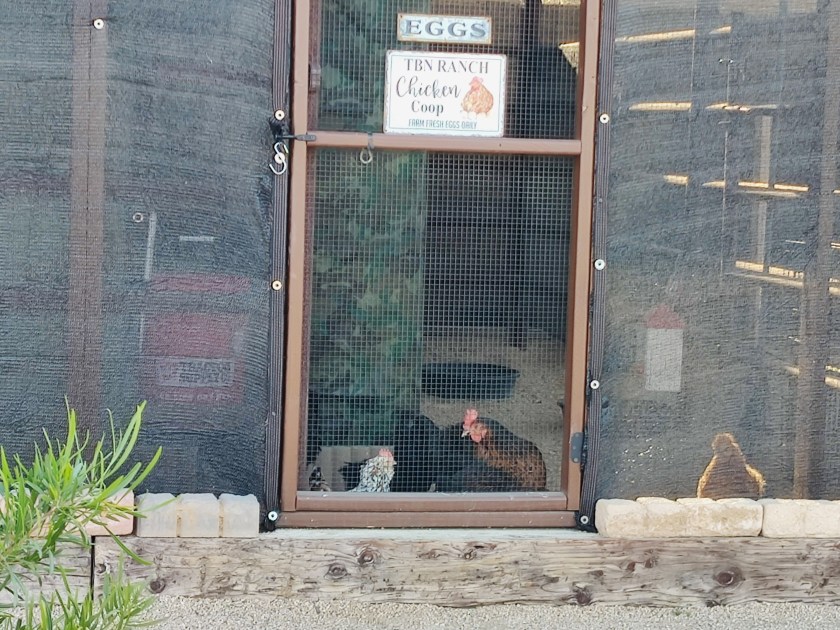
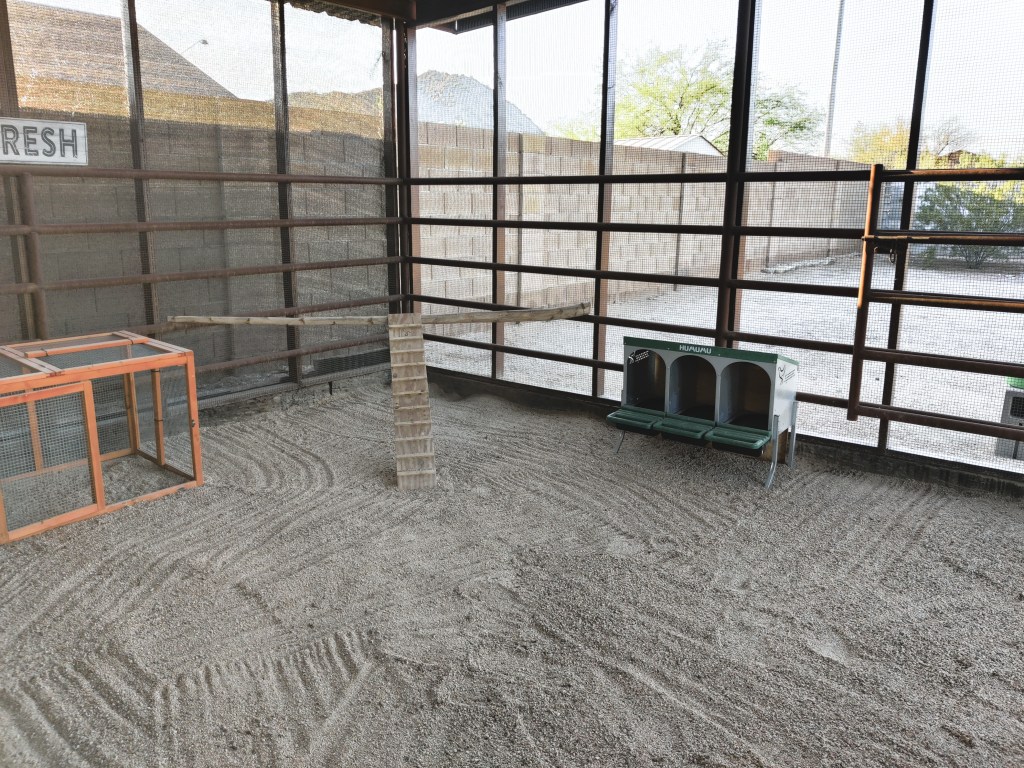
There have been many coop improvements made over the winter. The coop was once an open-sided covered corral for horses that I had professionally enclosed with heavy-grade hardware cloth – more about that build HERE.
The desert doesn’t offer many options for lush greenery, but I managed to find bushes native to the desert southwest and planted three of them in front of the barn for a little color and hopefully some shade when they mature. I have a giant drum fan to help move the air in the coop, and it’s suitable for normal summer heat, but Phoenix doesn’t have normal heat; we have to keep chickens alive in 115+ temps, which is nearly impossible without human intervention. Usually, that means a mist system of some sort, along with fans, ice, and whatever else might offer them some relief. In other words, everything needed to keep chickens alive in these ridiculous high temps is a giant inconvenience and one I was determined to somewhat avoid this summer. Here’s what I came up with…
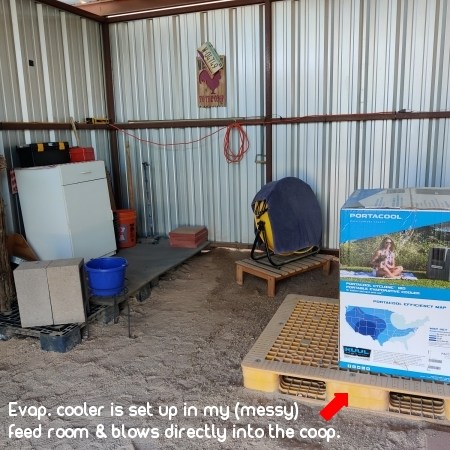
I bit the bullet and bought an evaporative cooler large enough to cool the coop area. I also bought 10 lb. feeders and scattered them in different areas of the coop to help minimize feeding chores. Daily farm chores now are basically watering and clean-up. Even my clean-up chores are easier now since I ditched the pine shavings and switched to sand. If you want to know more about sand vs. shavings, all the information is in a previous article HERE.
Purchasing an evaporative cooler is a double win-win scenario: it benefits the chickens by providing a more comfortable environment, and let’s be honest, it’s a relief for me as well. Working in scorching temperatures I definitely won’t miss.

About The Evap. Cooler…
Portacool 2000-CFM 2-Speed Outdoor Evaporative Cooler
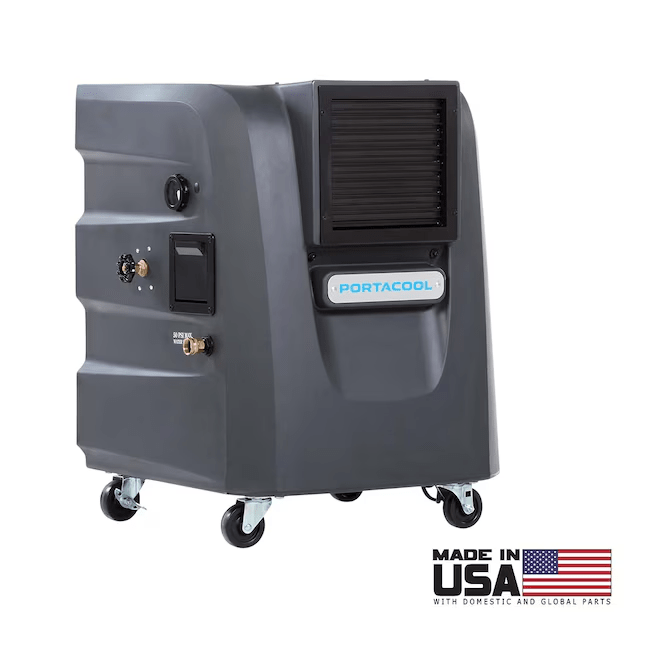
What’s an evaporative cooler? It produces cool air wherever needed, such as a backyard patio, garage, barn, or workshop. Evaporative coolers are most effective in dry climates where humidity levels are low. They can be an energy-efficient and cost-effective cooling solution compared to traditional air conditioning systems, as they consume less electricity. You can learn more about this evap. cooler or check out the large selection of different models available at Lowe’s.

TBN Ranch Chicken Coop

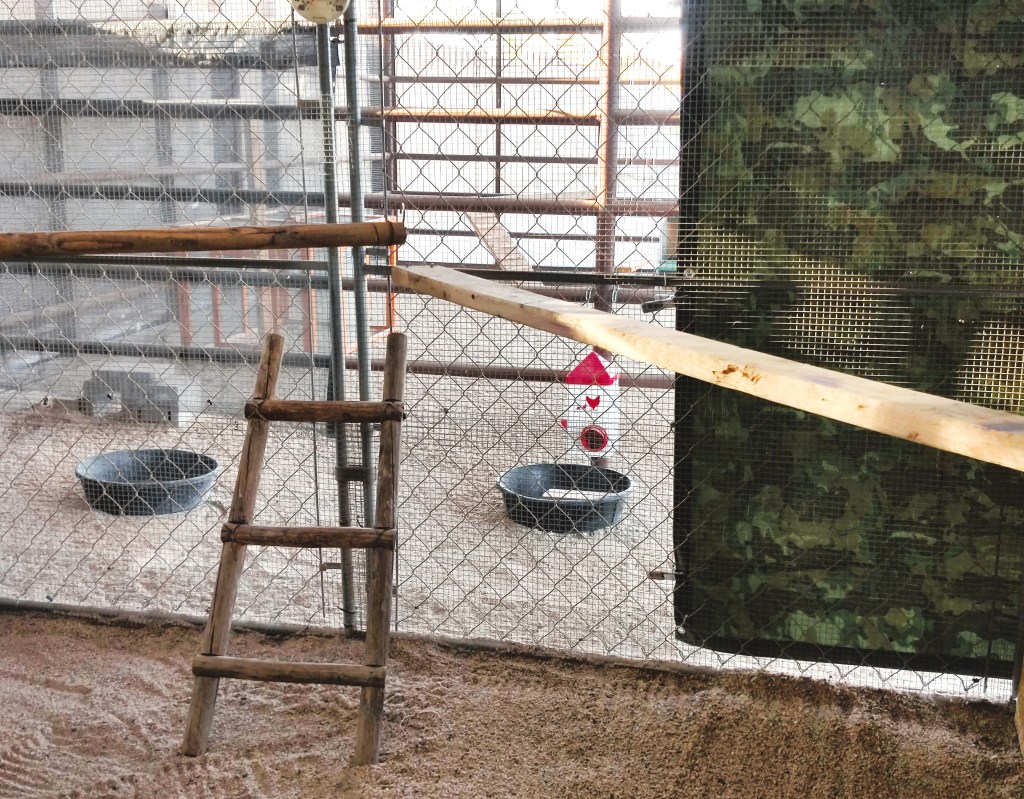
The Coop, Inside & Out…

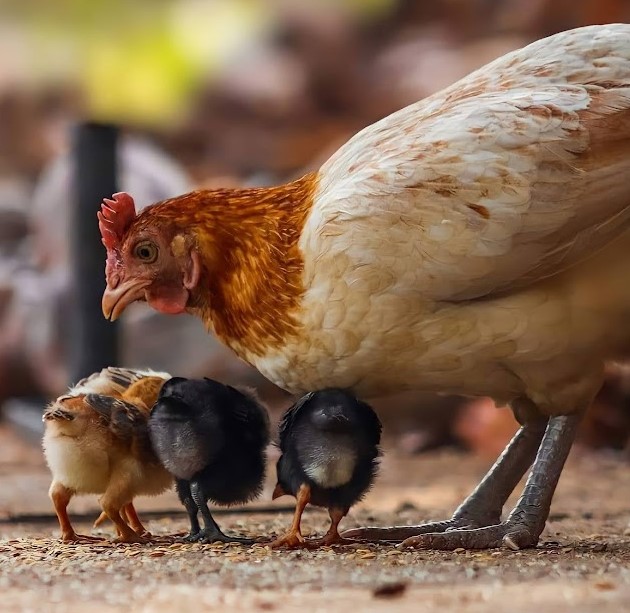
A Few of the Hens…

A Guide for Keeping Chickens in Hot Climates

There are many ways to help your chickens survive the heat of summer. Luckily, in most parts of the country, this isn’t a big concern. However, if you are a desert dweller and have chickens, you’ll find a wealth of information in this article on how to manage them in hot weather.
Back to HOME PAGE

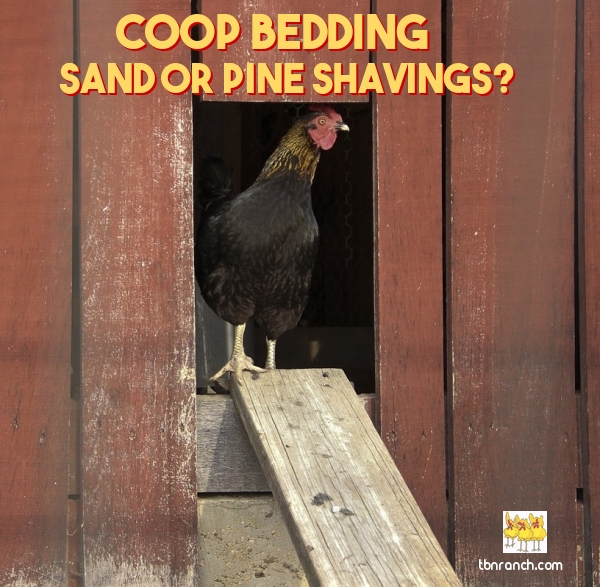
Sand or Pine Shavings in the Chicken Coop?

Natural Sand May Be a Better Choice for Your Coop, Here’s Why

Drainage: Sand allows for excellent drainage, which helps to keep the chicken coop dry and prevents the buildup of moisture. This is important for maintaining a healthy living environment for chickens and preventing issues like fungal growth or ammonia buildup, which can lead to respiratory issues for the birds.
Cleanliness: Sand is easy to clean and maintain. Chicken droppings and other debris can be easily scooped out using a long-handle litter box scoop, available on Amazon. It would only take a few minutes to scoop up poop every day, this will keep the coop much cleaner. No more raking out a ton of smelly shavings every week, and replacing it with clean expensive pine shavings.
Comfort: Sand provides a soft and comfortable surface for chickens to walk, stand, and rest on. It is gentle on their feet and joints, which is important for their overall health and well-being. Chickens are also known to dust bathe, and sand provides a suitable medium for them to engage in this natural behavior.
Pest control: Sand can help control pests in the chicken coop. Sand does not provide a suitable environment for many common pests like mites, lice, or fleas to thrive, as it is not conducive to their life cycle. Additionally, sand can be easily raked or turned over, disrupting pest habitats and helping to keep them under control.
Cost-effective: Sand is often an inexpensive option for bedding in chicken coops, especially when compared to other materials like wood shavings or straw. Sand can be sourced locally in many areas, making it a cost-effective choice for chicken keepers on a budget.
Longevity: Sand is a durable material that can last for a long time with minimal maintenance. Unlike other bedding materials that may break down or decompose over time, sand can remain relatively stable and functional for an extended period, reducing the need for frequent replacement.
Natural look: Sand can provide a natural, aesthetically pleasing look to the chicken coop. It can mimic the natural environment of chickens, allowing them to engage in their natural behaviors and feel more comfortable in their surroundings.

Not All Sand is Created Equal
Where to Buy


Sand for your coop and/or run should be natural, consist of variable particle sizes, and shouldn’t be manufactured by crushing quartz. Sand can be purchased in bulk at local quarries, or anywhere that sells rock for landscaping, construction sites, etc. Delivery will most likely be available, but there will be an extra charge for the service. The sand will be dumped on your property, and it will be your job to move it into your coop and/or run.
NOTE: Keep in mind that sand is not suitable for all climates or situations. In areas with heavy rainfall or high humidity, sand may become excessively damp and muddy, which can lead to issues such as increased ammonia buildup or difficulties with drainage. Sand is best used inside a coop, or a covered area. It’s essential to consider the specific needs of your flock, climate, and management practices when choosing bedding material for your chicken coop.
Pine Shavings are Still Useful
Pine shavings are best used in nest boxes, chickens seem to prefer nesting on fluffy pine shavings, not hay, or straw which can be an irritant to the vent area.

Back to HOME PAGE

About Grit, your Chicks, and Chickens

Whether or not your flock needs grit is a common question, and the answer can be complicated considering there are different factors to consider. If you’ve already done some research then you know the answer is also a controversial one.  Well, there is an answer, and once you understand what grit is and what it’s for, you can make your own decision on whether or not your flock needs it.
Chickens do not have teeth and grit is used to help digest their food. That’s it, plain and simple! If your birds are in confinement and eat only commercial feed then grit is not necessary. Commercial feeds are formulated to be very easy to digest. But if your chickens are eating other foods that you offer, or are allowed to forage, you may need to provide grit.
What is Grit?
Grit is nothing more than granite, crushed into two different sizes, small for chicks, and larger for chickens.
For Chicks
It’s recommended that baby chicks be provided with grit, then again, chick starter is a commercial feed that is easily digested, so…  grit isn’t exactly vital to their survival either. But, to be safe, yes, I provide grit as a supplement to my chicks in the brooder. You can use grit or clean sand and sprinkle it on the bottom of the brooder, mix it in the feed, or free-feed it. Doesn’t matter, I’ve experimented all three ways and can’t honestly say one is better than the other.
For Chickens
If your chickens are allowed to forage either in a confined area or on acreage there’s only one thing you need to know. What are they foraging on? Is there adequate natural grit underfoot?  If they are confined to a run built off their coop with grass or wood shavings for footing then they need grit, especially if you offer them table scraps.  Here in Phoenix, the ground is granite, so my hens are scratching around on a natural source of grit all day so there’s absolutely no need to feed grit.
Grit is available at your local feed store, it’s cheap and usually sold by the pound. Or, it might be right on your own property, and free!
Just a note…
Chicken grit and oyster shell are not for the same purpose. Grit aids in digestion and oyster shell is used to provide calcium to your laying hens.

Back to HOME PAGE