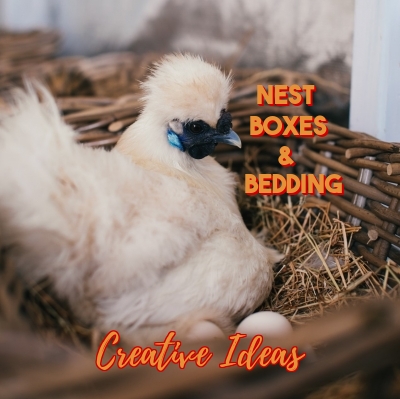
There are many different types of nest box bedding that chicken keepers use. There’s no right or wrong one, you just have to find the one that suits your bird’s needs or preference for the type of nest boxes you have. Nesting material is important, if your hens scratch around in their nesting box and kick all the bedding out you’re going to have broken eggs. The kind of nesting boxes you have is also important. If they are semi-enclosed for privacy, such as a wooden box with a hole for entry there is less chance your birds will kick out their nest material. Shredded burlap partially covering the entry hole is also helpful. Bedding Materials / Pros and Cons Wood shavings: A great choice if you have a box that will prevent the chickens from kicking it all out of the nest. Straw: Many people use straw, it’s inexpensive and goes a long way. However, it does get hard and brittle which can cause irritation to the hen’s vent area. It also tends to mold. Grass hay: I like it because it’s soft and stays soft for at least a month and my birds don’t kick it out of the nest. But a little spendy. Sand: Clean, and makes for an easy clean-up using a kitty litter box scoop. Solutions for Broken Eggs in the Nest Box Lining the bottom of nest boxes with a cushioning material under the nest bedding can be very helpful if you are finding broken eggs. Here are a few ideas that are often used as nesting box liners. Corrugated cardboard Rubber shelf liner Carpet, upside down Artificial turf, upside down Rubbermaid kitchen sink mats
An Informative Article on Why, When, and How Molting Effects a Hen’s Egg Production.
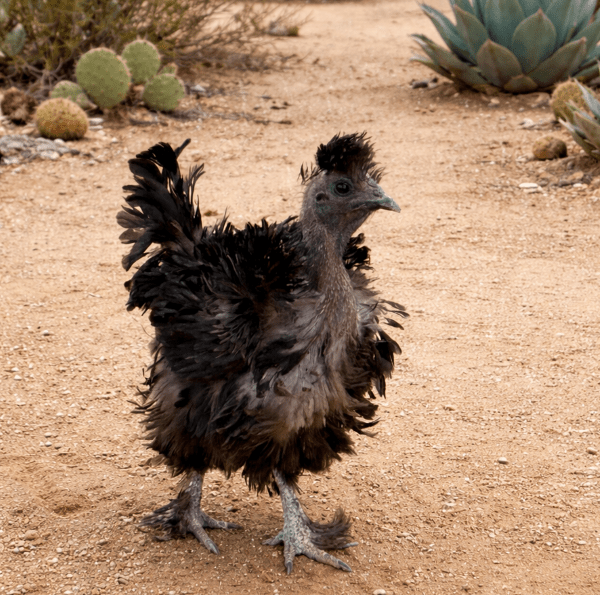
Every year your chickens will molt, in other words, lose their feathers and grow new ones. Unfortunately, it also means most hens will not lay eggs until their molt cycle is done. However, there are exceptions to that rule. There are hens whose rate of lay is not affected, but you can expect their molt time to last longer. Late molters will lay eggs 12 to 14 months before they molt, and early molters might begin to molt only a few months after their point of lay. Late molting is preferred; those birds usually have a more ragged feather appearance, but will generally be your better-laying hens. Early molters are just the opposite; they have a smooth and tidy appearance but are usually poor layers. Late molters will lay eggs longer before molting, and within 2 to 3 months will have completely shed their feathers. Their loss of feathers is replaced at the same time, which means a hen will return to full production quicker. Early molters lose their feathers just a few at a time and will drag out the molting process for as long as 4 to 6 months. These hens will generally be the poor producers in your flock. There is a definite order in which feathers are lost, so it gives you a general idea of what molting stage they’re in. Chickens lose their head feathers first, then those on the neck, breast, body, wings, and tail last. The particular time of year your birds will molt depends on the climate of your geographic region. Wherever you live, your chickens will not so subtly inform you when you can expect this yearly process to occur. Note: A little crimped or rolled oats added to your chicken’s diet during molting may assist in feather growth.



 TBN Ranch Chicken Keeping Resources