How to Keep Your Flock Safe from These Common Natural Predators

Coyote
Coyotes are common in urban areas of Phoenix and are known to prey on chickens. These animals are highly adaptable predators that can thrive in a variety of habitats, including rural, and highly populated urban areas. They are opportunistic hunters & it’s almost certain the coyote will eventually find your chickens.
Note: The coyote rarely takes one bird, they are known to kill the entire flock, take one or two birds and leave the dead behind.
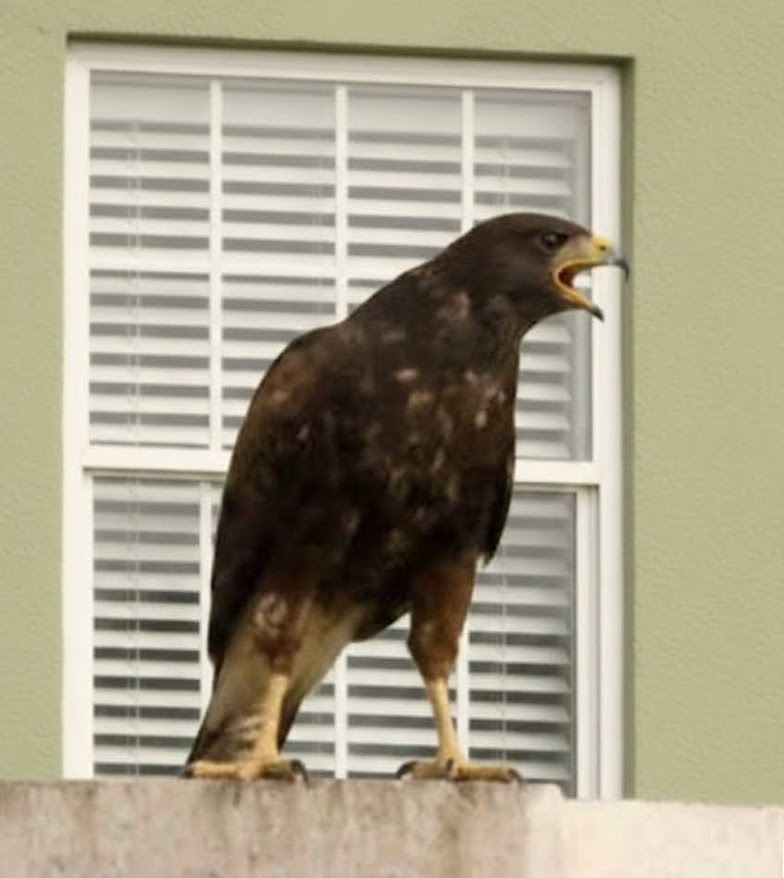
Harris Hawk
The Harris Hawk is a bird of prey that can swoop down and carry off small animals, including chickens. They are known to be skilled predators, and they hunt a variety of prey. They hunt in groups, which is uncommon among raptors.
They often hunt cooperatively, with one bird flushing prey from cover while another waits in ambush. This allows them to take down larger prey than they could handle alone.
The Harris hawk is a skilled and adaptable hunter that has evolved unique hunting behaviors to maximize its chances of success in capturing prey.
Bobcat
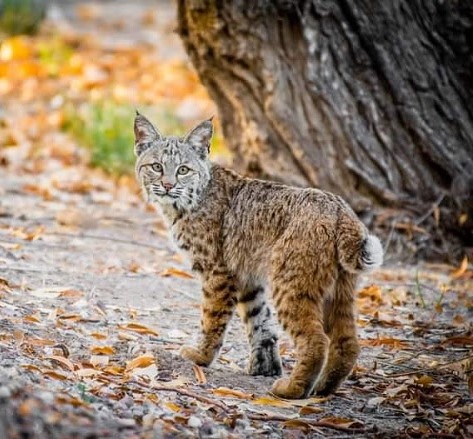
Bobcats are carnivorous animals and are known to prey on a variety of animals, including chickens. When hunting chickens, bobcats use their keen senses of sight, hearing, and smell to detect their prey. So it’s especially important to keep your keep clean. Bobcats typically wait until dusk to hunt, but keep in mind, I have experienced an attack during the day, so always assume your birds are at risk if unprotected. Bobcats aren’t known to be greedy, they usually take just one bird.
Racoon
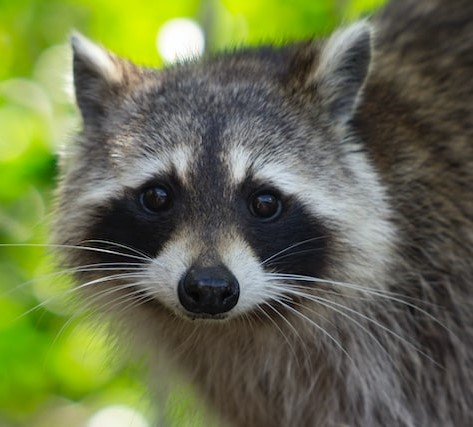
Raccoons are known to be skilled at breaking into chicken coops and killing chickens. They are not a huge threat in the city, but I have seen them on our urban farm.
Raccoons are a type of mammal that are known for their distinctive “hands.” Raccoon hands which are very dexterous and have long, flexible fingers that can grasp and manipulate objects with ease, such as latches on coop doors.
Rattlesnake
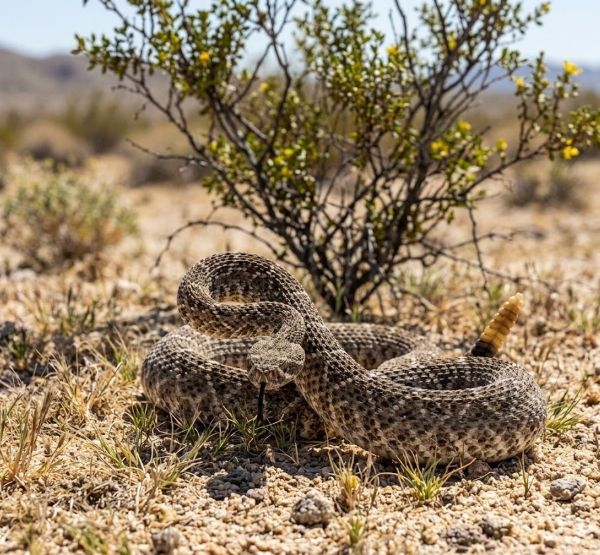
Rattlesnakes can pose a threat to chickens, they are venomous snakes that are found not only in desert areas but the city as well. They are known to prey on small animals which includes birds. Chicks are potential prey for rattlesnakes because they are small and often forage on the ground, which makes them vulnerable to snake attacks. If a rattlesnake can get into a chicken coop or other chicken enclosure, it may be able to kill or injure chickens.
How to Protect Your Backyard Flock From Predators
Secure your coop: Make sure that your coop is secure and predator-proof. This includes using sturdy materials for the coop, such as wire mesh or hardware cloth, and ensuring that all openings are covered with tight-fitting, predator-resistant material. It is also important to have a strong lock on the door, as many predators are quite clever at finding their way in.
Provide a secure run: A run is a fenced-in area where your chickens can roam during the day. Make sure the run is secure with a sturdy fence that is buried at least 6 inches into the ground to prevent predators from digging underneath it. Cover the top of the run with netting or wire mesh to prevent hawks or other birds of prey from swooping in.
Keep the area clean: Predators are attracted to areas where they can easily find food, so make sure to clean up any spilled food or water and store feed in a secure container. Also, remove any debris or brush around the coop that predators could use as cover. Droppings from your birds are also an attractant, clean the coop at least once a week.
Use lights and sound: Some predators are deterred by lights or loud noises. You can install motion-activated lights around the coop or a device that emits sound to deter predators.