Once again it’s that time of year when soaring temperatures raise concern for chicken keepers. For those who can free-roam their flock there is less worry. But if you have backyard chickens that are confined to a coop, your worries are quite valid. Here’s what you can do to make your flock more comfortable.
Air Flow
There are steps to take that will help your chickens beat the heat, but it will take a little effort on your part. If your coop is overcrowded it’s time to expand, too many birds in small quarters is just asking for trouble. Air flow is vital. Chicken droppings generate heat, so be sure to clean the coop and lay down fresh bedding. If at all possible provide a fan for ventilation, if it isn’t… find a way. A fan could be the difference between life and death. Keeping the Flock Hydrated There is a pecking order among chickens, so provide extra water sources for those lower-ranking birds who might not be allowed to use the drinker. Chickens will drink more if the water is cool, provide cool water at the hottest time of the day. If you have broody hens, make it easy for them to access water, don’t assume they are leaving the nest… some don’t. Tip: Full buckets of water will stay cold longer, put out a few. Shallow ground drinkers work nicely for bantams.
Electrolytes
It’s always a good idea to have electrolytes on hand for those really hot days. Simply add it to your flock’s water source. Electrolytes for poultry can be found at your local feed store. It comes in many forms, choose one best suited for your needs & the size of your flock.
Chickens may or may not like a mist system, my birds hate them, however, I have heard positive feedback from other chicken keepers. So it may be something to consider useful in dry climates. A more positive approach is to provide your birds with a small flooded area for them to play in. Even if it’s just a hose allowed to drip, they are magically lured to this life-saving man-made oasis. Triple Digit Temperatures Here in Phoenix, our temperatures can reach 115+ degrees, this is when it’s time to bring out watermelon, cantaloupe, lettuce, or anything that will help hydrate the flock. These foods will be better for them than layer pellets containing corn, which produces even more unwanted heat. During these heat spells, I ration layer pellets, offering in morning, mid-day, and night for about an hour or so.
Recipe for Successful Chicken Keeping in Excessive Heat Shade is essential to the survival of chickens in extreme temperatures, especially if they’re cooped. Your coop is best placed under a shade tree, but remember the sun moves and may leave your birds exposed to direct sun during the day. Never use tarps Shade cloth, mesh tarps, and shade sails are excellent for keeping the sun out, yet they don’t restrict airflow. Shade cloth is cheaper than mesh tarps and is available in most garden centers. Mesh tarps might be pricey, but they’re a lot easier to hang. Both, are durable and offer long-lasting wear. Offer watermelon or cantaloupe & place it in a shady area. Find a way to hang a fan a foot or so from the ground. Provide an area where a hose is on a slow stream or drip. Keep drinkers filled with cool water. Tip:Buckets kept full will stay cold longer. Use shade cloth, mesh tarps, or shade sails. Electrolytes for poultry
A Solution… For When the Broodies Take Over the Nests
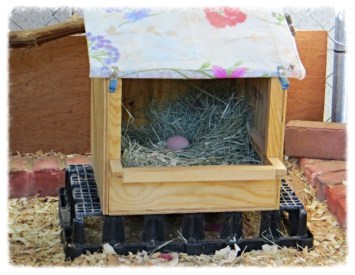
Sometimes broody hens can take over the nest area and not let any other members of the flock enter the hen house or their nests. That means the other hen’s routine is upset and this can interrupt or even stop egg production. It’s better to move the broodies to a confined area. But if you don’t have a separate area suitable for them, sometimes it’s just better to go with the flow and put extra nest boxes in the coop for the others. This is a much better idea than letting them find a place on their own because what you’ll be doing, in that case, is going on an everyday egg hunt.
As you can see, members of the existing flock will rather quickly claim the new extra nest boxes and egg production will eventually resume. One way or the other, problem solved! To help them along, a ceramic egg or golf ball in the box often helps lure them in. Simple? Probably not, it’s almost inevitable that two hens will claim the same box! So put out a few!


 TBN Ranch Chicken Keeping Resources