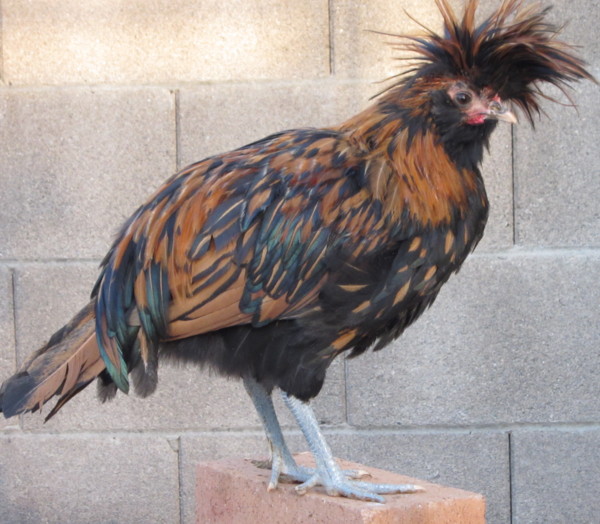
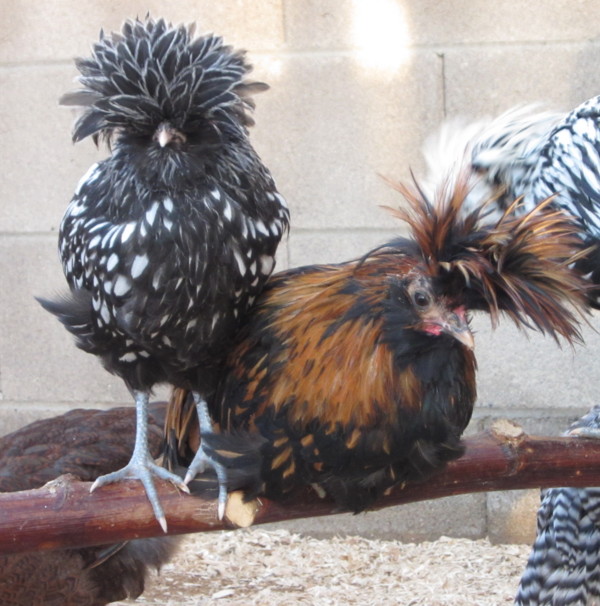
I chose this particular breed of chicken because sexing them is quite apparent by looking at their legs & feet. However, some breeds aren’t that easy, the Silkie in particular. But for most heavy breeds like the Rocks and Orpingtons it’s pretty obvious. Hope this little trick is helpful!
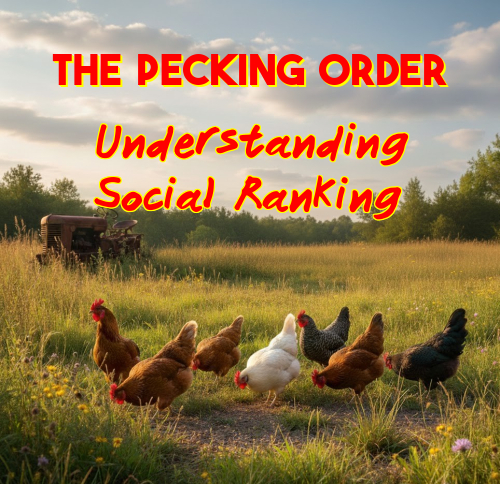
The pecking order determines which chicken may eat first, where a chicken is allowed to sit on the perch, or even even drink. It is often the stronger or larger birds that rank highest in the social order. The organizational power among chickens can be pretty brutal, fighting, pecking, and injuries often occur. To minimize chaos, offering feeders, drinkers, and nesting areas in more than one place is helpful. The perch is a common place for pecking or bullying, especially when there are rank differences. Watching them find a place to retire for the night is a complicated process. The pecking order rarely changes among an existing flock, however, we have some power over the pecking order simply by removing the higher-ranking birds for a few weeks. I bring this up because it is sometimes necessary to intervene when the pecking order becomes so aggressive that weaker birds are plagued with injuries. Once a weaker bird’s skin is exposed from being pecked on, the situation worsens and another problem occurs. One measly drop of blood is enough to create absolute havoc in the chicken yard. Something happens to chickens when they get a taste of blood, and they become quite capable of literally pecking a bird to death. Of course, before this happens the injured chicken will have to be removed and placed in isolation to heal and grow new feathers. It is usually 3 weeks to a month before new feathers cover the affected area. Or, you can do nothing, and stay out of the pecking order process entirely, which many poultry keepers believe to be the best way. But I’m not at all fond of watching my birds one by one begin to look like they’ve been through a meat grinder. It certainly makes better sense to remove the troublemakers rather than constantly doctoring chickens. There are usually 2 or 3 thugs that dominate a small flock, isolate them from the weaker birds for a few weeks. Then you can re-introduce them to the flock, but only one bird at a time over the course of a week. This will lessen the chances of them ganging up on the existing flock. Note: It’s important to consider the fact that overcrowding can contribute to argumentative behavior or feather loss due to pecking.
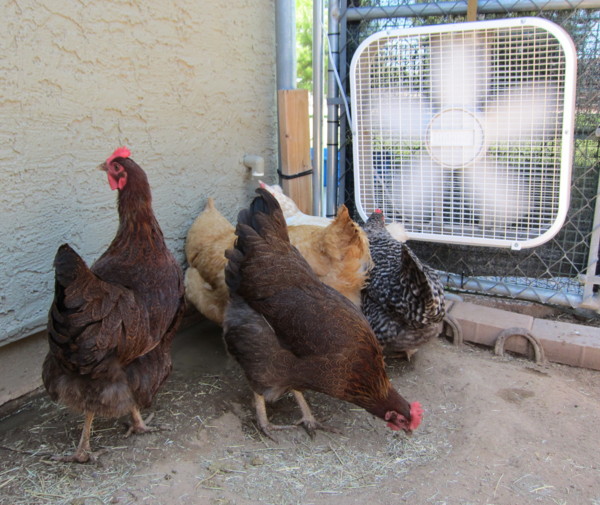
Shade is hard to come by in Phoenix, but not impossible if you’re creative. If your chickens are in a small coop they are unlikely to survive triple-digit temperatures, I know that sounds a bit harsh, but it’s true. June will most likely exceed 110, which means 120+ in the coop, and that’s a death sentence. Your birds will fair well in temperatures up to 105 if they are not confined, have shade, and a place to dig a hole in the dirt. Make sure they have cool water available, if the water is too hot they won’t drink enough to stay hydrated. Make it easy on yourself, use buckets instead of those chicken drinkers that are impossible to clean and a big hassle to fill. When temperatures reach over 105 in the shade it’s time to introduce a fan to the chicken yard. I don’t use anything fancy, a $20.00 box fan will do the trick. Hang it from a fence (wreath hangers work nicely) or anyplace where it won’t tip over. Your birds will stand in front of that fan like they were watching a movie!
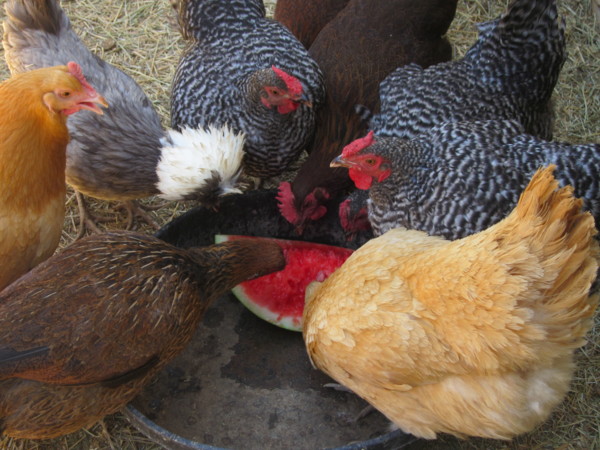
June and July are the worst months for excessive heat, 110 -115+, and when you really have to stay on top of your chicken-keeping responsibilities. Mist systems help cool the air, especially with a fan to keep the air moving. I like the standing misters ($10.) that attach to a hose. Place it right in the chicken yard, and dig up a small area near it so the moisture forms a little mud pool for the birds. If you free-feed your chickens, don’t in summer. Feed produces heat, so feed early morning, a little during the day, and just before they return to the coop at night. Never offer scratch feed in summer, it’s a hot feed and unsuitable for your feathered desert dwellers. Offer your flock a watermelon, or a head of lettuce instead, this will help keep them hydrated.
Danger Signs of Heat Exhaustion
The first sign of trouble is dark red, then pale comb and wattles. As their condition worsens they will become unstable on their feet, lethargic, wobble, and even fall over and lie lifeless. They will die quickly if you don’t act fast. Note: Heavy or meat Birds such as Orpingtons are the first to show signs of heat intolerance, watch them closely. Chickens will hold their wings out from their body, pant, and lay in holes on their side – all normal behavior when they’re very hot. What to Do Submerge the chicken in a 5 gal. bucket of warm water and place the bird under a shade tree. Don’t bring the bird indoors to air conditioning, this will only make matters worse when you return the chicken to the outdoors. A fan on low will help cool the bird quickly, they usually recover within 15-20 minutes. Ideas for Providing Shade Shade Cloth Mesh Tarps Lattice Palm Frond Shade Sails