The Signs of a Broody Hen Your hen won’t leave the nest, appears to not be eating, her feathers are all fluffed up. These are classic signs of the broody hen. First of all, she isn’t starving, she is eating and drinking, but it’s low on her list of priorities… Read Article What is a Broody Hen and How to Deal With ItMcMurray Hatchery Blog Chicken Breeds with Broody Tendencies If you are only interested in egg production then you may not want to purchase chicks that have broody tendencies. Broody hens can be troublesome, so if you’re not looking for a mother hen, here are the breeds you may want to avoid… Read Article
A Charming Distinctive Breed with Lots of Character
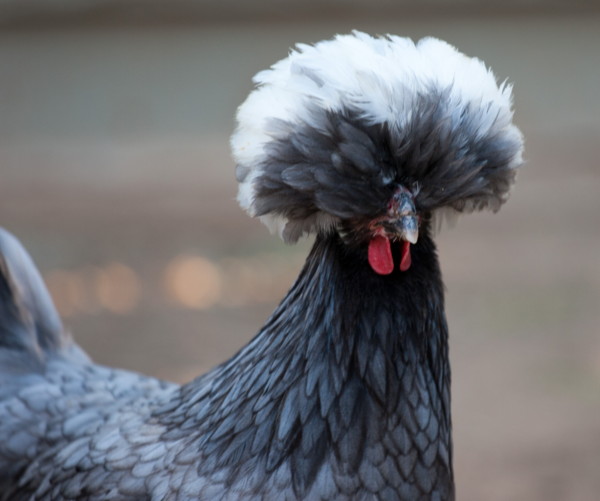
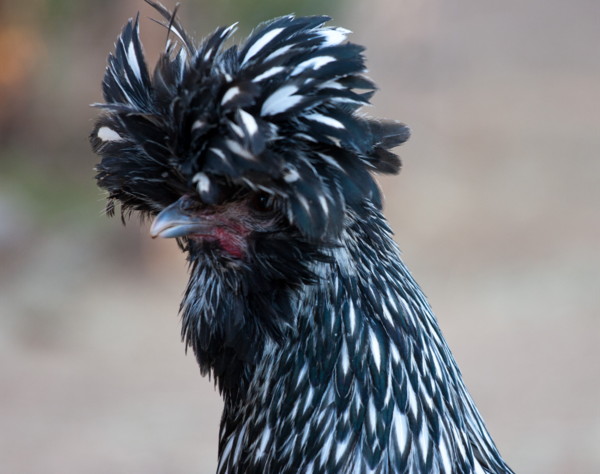
The Polish chicken, often called Polish Crested or Top Hat, is a breed prized for its distinctive topknot of feathers on its head, which can be of various colors. They are small in size, making them a popular choice for backyard chicken keepers, and known for their docile and friendly nature. They are good layers of medium white eggs and are also often kept for ornamental purposes due to their distinctive appearance.
The average number of eggs laid by Polish hens annually can vary based on several factors, such as the hen’s age, nutrition, and health. But on average, Polish hens lay approximately 200 eggs per year. Full-grown roosters weigh between 4 and 6 pounds, and hens typically weigh between 4 and 5 pounds. The Polish chicken is a friendly, docile breed and a good choice for your backyard flock. Classification: Continental Colors and Types Recognized: Non-bearded white-crested black Non-bearded golden Non-bearded white Non-bearded silver Bearded golden Bearded white Bearded silver Bearded buff laced Non-bearded buff laced Non-bearded white crested blueSave
Every good chicken keeper knows the importance of protecting their birds from predators. Most of us will, or already have lost birds to a coyote, hawk, fox, bobcat, etc. It’s devastating to see the after mass, I know, it’s happened here, I lost seven birds after a coyote attack in 2016. That changed everything I loved most about keeping chickens. Since the attack, my birds have been completely safe after building them a 10×10 predator-proof enclosure. Unfortunately, that means their happy life of free-roaming our acreage came to a screeching halt. To me, it meant never enjoying my birds out and about, it was now just a chore for their well-being. Chickens live for the opportunity to scratch in the dirt and look for bugs, sunbathe in the morning sun, or find that perfect spot for a dust bath. Since confinement, I’ve noticed the overall health of my flock has not quite been what it was.
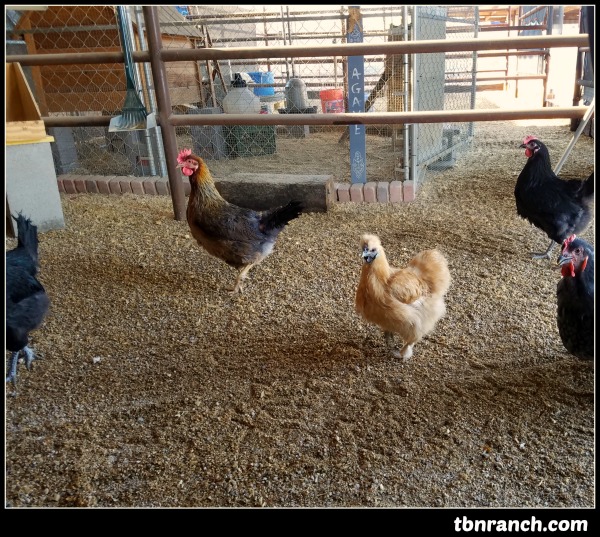
The heat plays havoc on confined chickens in the desert southwest, heat stroke is real, and it’s deadly. Free-roam flocks have a much higher rate of survival and are quite resourceful in finding shade and cooler ground to burrow in. So this brings me to a dilemma, coop for safety from a predator, or free roam for quality of life and comfort from the extreme heat? Quality of Life Today I opened the gate and allowed my flock to live a happy life. After considering the risk, I decided being cooped up in 110+ would have the same outcome as a predator attack… both could mean a death sentence. I will do my part to protect them in every way I can. They will be confined from dusk to late morning, but during the hottest part of the day, they will be free to find comfort. Here are some of the girls who found a comfy place in the feed room… where there’s a giant oscillating fan and mist system. 🙂




 TBN Ranch Chicken Keeping Resources