Molting is a natural process that chickens go through annually so they can replenish and replace their feathers. Chickens need to grow new feathers to allow them to effectively regulate their body temperature especially those in colder environments. Chickens will molt several times during their lives. The first molt is called a “juvenile” molt and occurs when they are only 6 – 8 days old… Continue Reading
Choosing a Breed for Your Spring Flock? Meet the Brahma! Cold-Hardy & Heat Tolerant
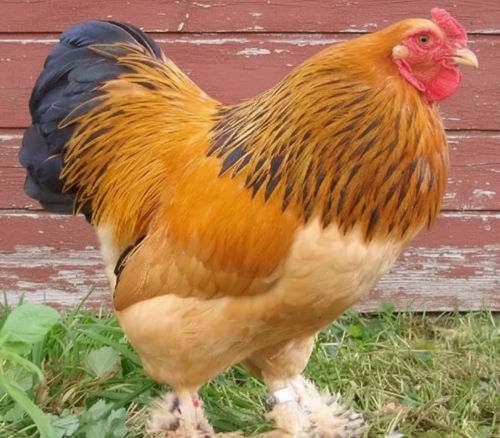
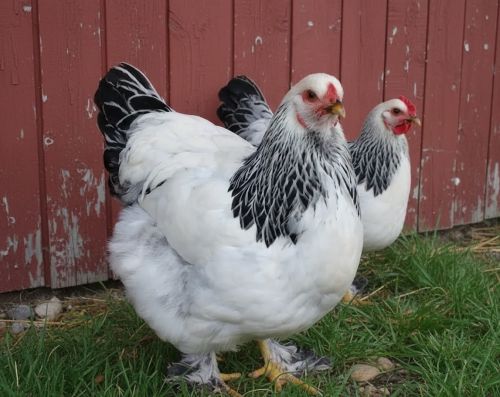
Buff BrahmaLight Brahma
The Brahma chicken is one of the best choices if you want a feather-footed breed that can handle heat better than most. They are large, calm birds with a calm and gentle nature. While Brahmas were originally developed for cold climates, with good shade, plenty of airflow, Brahmas do quite well in hot climates. Brahmas are easy to recognize by their big bodies, feathered legs and feet, and broad, sturdy build. Despite their size, they are very calm, friendly, and slow-moving. They are not aggressive and tend to get along well with other birds.
Hens usually weigh around 8–10 pounds, and roosters can reach 10–12 pounds or more. They typically lay about 150–180 large brown eggs per year.
These chickens come in three common colors: Light, Dark, and Buff. Light Brahmas are white with black markings on the neck and tail, Buff Brahmas have warm golden feathers with darker accents, and Dark Brahmas have deeper gray and black coloring. In hot climates, lighter colors such as Light and Buff Brahmas are often a better choice, as they absorb less heat than darker birds. When it comes to egg laying, Brahma hens are steady and reliable, though not high-production layers. Brahmas do take longer to mature than smaller breeds, usually starting to lay between six and eight months of age, but once they begin, they are consistent.
Signs of a Broody Hen: Your hen won’t leave the nest, appears to not be eating, her feathers are all fluffed up. These are classic signs of the broody hen. First of all, she isn’t starving, she is eating and drinking, but it’s low on her list of priorities… Read Article Chicken Breeds With Broody Tendencies: If you are only interested in egg production then you may not want to purchase chicks that have broody tendencies. Broody hens can be troublesome, so if you’re not looking for a mother hen, here are the breeds you may want to avoid… Read Article


 The Brahma chicken is one of the best choices if you want a feather-footed breed that can handle heat better than most. They are large, calm birds with a calm and gentle nature. While Brahmas were originally developed for cold climates, with good shade, plenty of airflow, Brahmas do quite well in hot climates.

