What caught my eye, (other than the fact that it’s beautiful) are the nest boxes and double doors. I keep Silkies at my farm, they don’t like to climb ladders, or anything much higher than 3 ft. Having a coop that you can stand in means it’s easy to clean and a pleasure to take care of your birds. That should be a rule not a luxury in chicken keeping!
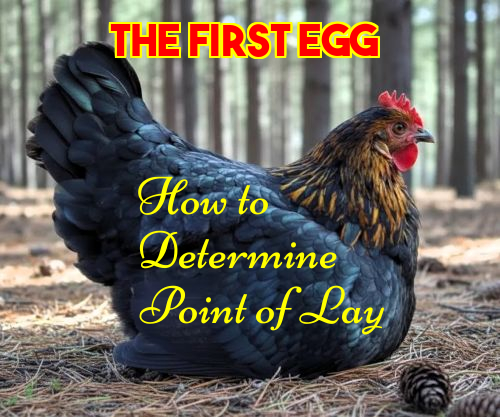
If you buy your birds as chicks, you can expect to feed and care for them for 22 to 24 weeks before they reach their point of lay. However, this depends on the breed, time of year, and the level of care they have received. It is not uncommon for some breeds to take even longer to mature and not produce until 25 to 30 weeks. Some people would rather skip chick-rearing altogether and buy pullets already at their point of lay. Sounds like a good plan, but you’ll have to be patient with that choice. Even if they are laying eggs, they will most likely stop for as long as two months when they are moved to a new environment. It’s important to know the bird’s actual age too; point of lay doesn’t mean they are laying… it means they will lay in the near future. Knowing the age of a pullet is important; you don’t want to feed a layer diet too early. Most people buy chickens to have a fresh supply of eggs. Rushing young birds may cause serious health issues, which won’t fill the egg basket! So how can you tell if a pullet is actually close to laying? There is a simple way to check the age and the approximate point of lay. Here’s How… Pick up the pullet and tuck her head under your arm. Situate her so you can easily get to her rear end or vent area. Locate the 2 pelvic bones. If the pullet is not yet laying, the pelvic bones will be very close together. If she just started laying the pelvic bones will be about 1 finger apart. As a pullet matures and produces eggs, you will be able to put 2 to 3 fingers between the pelvic bones. This test will give you an idea of a pullet’s age, it can’t tell you when you’ll get that first egg, but it will also help you determine the pullet’s feed requirements while you’re waiting.
We all know the risks of salmonella and how important it is to keep chickens and chicken items in their own area. Seriously, do we really practice it? There should be a designated clean area around our house where chickens, our boots, rakes, etc never end up. We shouldn’t drink our morning coffee when tending to the chickens. I’m guilty, and I’ll bet I’m not alone. So let’s take another look at how to be responsible chicken keepers, got a couple minutes to keep your family safe? An increasing number of people around the country are choosing to keep live poultry, such as chickens or ducks, as part of a greener, healthier lifestyle. While you enjoy the benefits of backyard chickens and other poultry, it is important to consider the risk of illness, especially for children, which can result from handling live poultry or anything in the area where they live and roam.Learn More