Chickens: Intervention and Management of Problematic Pecking

Stressful Conditions Create Unhappy Chickens and Bad Behavior

Pecking problems can begin even when chicks are still in the brooder. At this age, they start pecking the toes of other chicks. When pecking occurs in older birds, they tend to peck the backs, heads, and vent areas.  Whether your birds are chicks, pullets, or mature chickens, pecking can turn into a serious matter without intervention.
Pinpointing the Problem
The normal behavior of chickens does include establishing a pecking order. So it’s important to watch your flock to learn the difference between normal and problematic pecking. It’s less likely to have a pecking problem if your flock is uniform in size, age, and breed. All your birds should be in good health as well; those that show signs of weakness are more apt to be a victim of aggressive behavior.
When persistent pecking is observed, check your flock’s environment. Poor living conditions or inadequate nutrition can be a factor in bad behavior. Make sure all members of the flock have access to food and water, even if it means putting it in more than one place. Hens do not take kindly to a shortage of nest boxes either; place them in various areas with easy access.
When there’s excessive pecking brewing in the brooder, it may be something as simple as lighting. Improper or undesirable lighting in the brooder can cause stress, If you’re using clear bulbs in the brooder, switch to red. Check the temperature in their environment, if it’s too hot, or cold, this can contribute to pecking. Adequate space is also vital, whether in the brooder or the coop.
Last, but not least, check for parasites. Examine your birds, their droppings, and the coop, and treat if necessary.
Pecking habits and cannibalism occur when birds are under stress and unhappy.
Take a good look at the environment that has been created for them. Is it what your chickens need to live in harmony?

Back to HOME PAGE


Chickens in the Cold

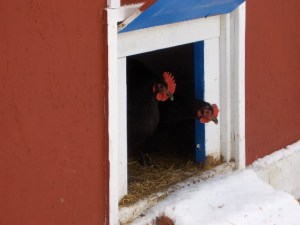
firstsnow2

Most new chicken keepers worry about their flock when the temperatures drop. The biggest concern is whether or not a heat source should be added.
If you have provided your flock with adequate shelter from the wind and rain or snow, and there’s plenty of hay or straw in their house, I don’t recommend adding a heat source.
The extra things you can do to help your chickens fair the bitter cold is to give them scratch feed before bed and first thing in the morning. This is a hot feed and will help them stay warm, not to mention they love it. If you are worried about frostbite, the best solution is to apply Vaseline to their combs and wattles.
Your chickens will huddle together to stay warm. For peace of mind, stick your hand down between them at night and you’ll be pleased to find they are toasty warm. Chickens are hardy creatures, so my best advice is to not overthink the questions involved in caring for them.
Remember, chickens in numbers are warm, and they acclimate rather quickly to temperature changes. If you have young birds that are just out of the brooder, a heat source is necessary until they are fully feathered, usually at about eight weeks of age. Just make sure they have been introduced to the cold and have been given time to acclimate.

Back to Chicken Keeping Resources HOME PAGE

Upgrading the Brooder

I’ve had my share of make-shift brooders, and all the headaches that go with it. Anybody who has raised baby chicks knows all about cardboard boxes, plastic storage containers, dog crates, etc… as make-do brooders.  Flimsy chicken wire tops that shred your arms during cleaning, and an aching back from crawling around on the floor is another consequence of not having the right equipment.
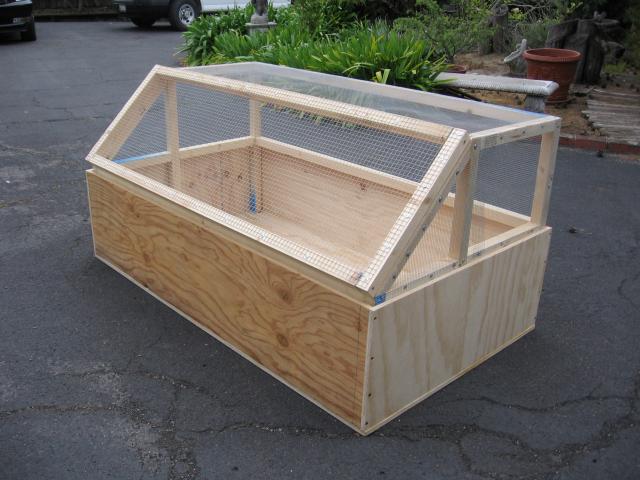
I searched online for something suitable to build for raising baby chicks. My husband is willing to take the challenge, so this is what I found…

brooder plans

Back to Chicken Keeping Resources HOME PAGE