Stressful Conditions Create Unhappy Chickens and Bad Behavior

Pecking problems can begin even when chicks are still in the brooder. At this age, they start pecking the toes of other chicks. When pecking occurs in older birds, they tend to peck the backs, heads, and vent areas. Whether your birds are chicks, pullets, or mature chickens, pecking can turn into a serious matter without intervention.
Pinpointing the Problem
The normal behavior of chickens does include establishing a pecking order. So it’s important to watch your flock to learn the difference between normal and problematic pecking. It’s less likely to have a pecking problem if your flock is uniform in size, age, and breed. All your birds should be in good health as well; those that show signs of weakness are more apt to be a victim of aggressive behavior.
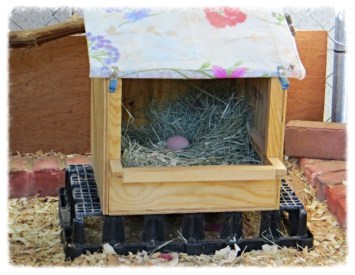
When persistent pecking is observed, check your flock’s environment. Poor living conditions or inadequate nutrition can be a factor in bad behavior. Make sure all members of the flock have access to food and water, even if it means putting it in more than one place. Hens do not take kindly to a shortage of nest boxes either; place them in various areas with easy access.
When there’s excessive pecking brewing in the brooder, it may be something as simple as lighting. Improper or undesirable lighting in the brooder can cause stress, If you’re using clear bulbs in the brooder, switch to red. Check the temperature in their environment, if it’s too hot, or cold, this can contribute to pecking. Adequate space is also vital, whether in the brooder or the coop.
Last, but not least, check for parasites. Examine your birds, their droppings, and the coop, and treat if necessary.
Pecking habits and cannibalism occur when birds are under stress and unhappy.
Take a good look at the environment that has been created for them. Is it what your chickens need to live in harmony?

 TBN Ranch Chicken Keeping Resources