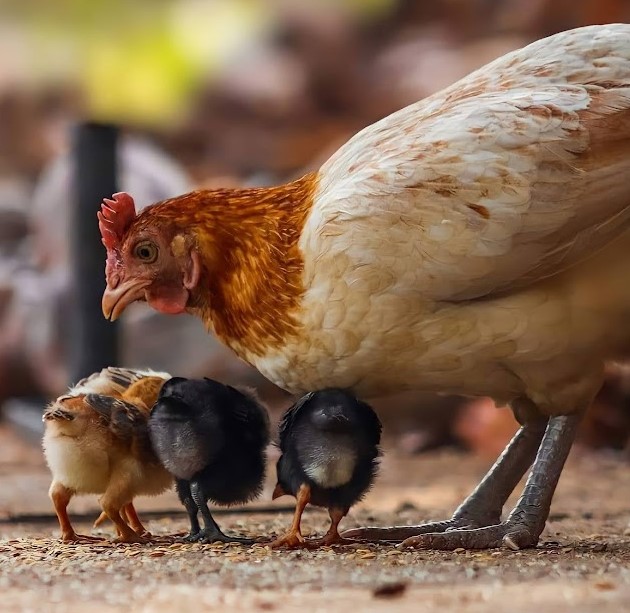
Whether or not your flock needs grit is a common question, and the answer can be complicated considering there are different factors to consider. If you’ve already done some research then you know the answer is also a controversial one. Well, there is an answer, and once you understand what grit is and what it’s for, you can make your own decision on whether or not your flock needs it.
Chickens do not have teeth and grit is used to help digest their food. That’s it, plain and simple! If your birds are in confinement and eat only commercial feed then grit is not necessary. Commercial feeds are formulated to be very easy to digest. But if your chickens are eating other foods that you offer, or are allowed to forage, you may need to provide grit.
What is Grit?
Grit is nothing more than granite, crushed into two different sizes, small for chicks, and larger for chickens.
For Chicks
It’s recommended that baby chicks be provided with grit, then again, chick starter is a commercial feed that is easily digested, so… grit isn’t exactly vital to their survival either. But, to be safe, yes, I provide grit as a supplement to my chicks in the brooder. You can use grit or clean sand and sprinkle it on the bottom of the brooder, mix it in the feed, or free-feed it. Doesn’t matter, I’ve experimented all three ways and can’t honestly say one is better than the other.
For Chickens
If your chickens are allowed to forage either in a confined area or on acreage there’s only one thing you need to know. What are they foraging on? Is there adequate natural grit underfoot? If they are confined to a run built off their coop with grass or wood shavings for footing then they need grit, especially if you offer them table scraps. Here in Phoenix, the ground is granite, so my hens are scratching around on a natural source of grit all day so there’s absolutely no need to feed grit.
Grit is available at your local feed store, it’s cheap and usually sold by the pound. Or, it might be right on your own property, and free!
Just a note…
Chicken grit and oyster shell are not for the same purpose. Grit aids in digestion and oyster shell is used to provide calcium to your laying hens.


 TBN Ranch Chicken Keeping Resources