The Hierarchical System Among Chickens

The Pecking Order, A Natural Disturbance Among the Flock
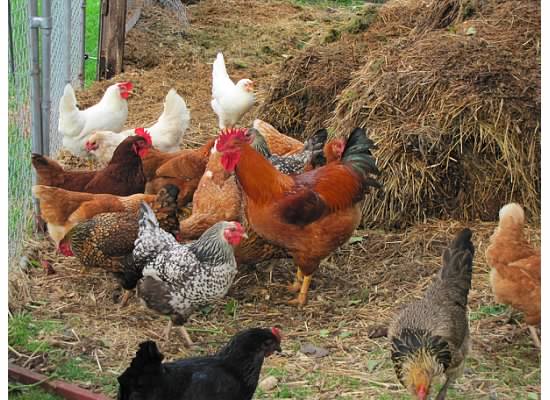
Chickens are social animals that naturally establish a pecking order within their group. The pecking order is a hierarchical system that determines the rank and status of each chicken in the flock. The pecking order is important for the social organization of the flock and helps to maintain order, reduce aggression, and ensure access to resources such as food, water, and nesting sites.
The establishment of a pecking order is a natural process that begins when chicks are first introduced to each other.
Chickens use a variety of signals and behaviors to establish their place in the pecking order, including aggression, dominance displays, and submissive behaviors.
The factors that determine the pecking order among chickens:
Age
Older chickens tend to have higher status in the pecking order than younger chickens. This is because older chickens are larger and more experienced, and they have had more time to establish their dominance within the flock.
Size and Strength:
Chickens that are larger and stronger tend to have higher status in the pecking order. These chickens are able to compete more effectively for resources such as food, water, and nesting sites, and they are often able to intimidate smaller and weaker birds.
Personality:
Chickens have different personalities, and some birds are more assertive and dominant than others. Chickens that are more aggressive and assertive tend to have higher status in the pecking order than more submissive birds.
Previous Interactions:
Chickens remember previous interactions with other birds and use this information to establish their place in the pecking order. If a chicken has successfully challenged another bird in the past, it may be more likely to challenge that bird again in the future.
Once the pecking order is established, each chicken knows its place in the hierarchy and behaves accordingly. Chickens at the top of the pecking order are more likely to have access to resources such as food and water, and they may also have access to better nesting sites. Chickens at the bottom of the pecking order are more likely to be subjected to aggression and may have limited access to resources. However, the pecking order also helps to reduce aggression and maintain order within the flock by establishing clear social boundaries and reducing the need for constant competition.

Back to Chicken Keeping Resources HOME PAGE

Adding Chicks of Different Ages to the Brooder

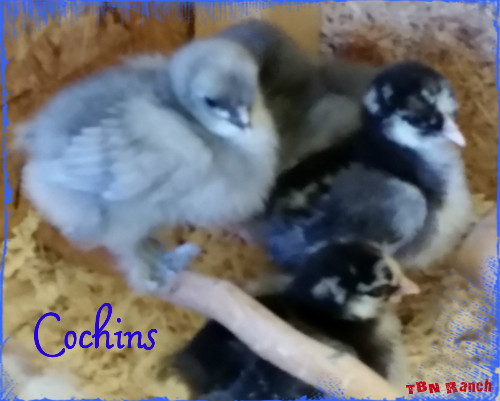
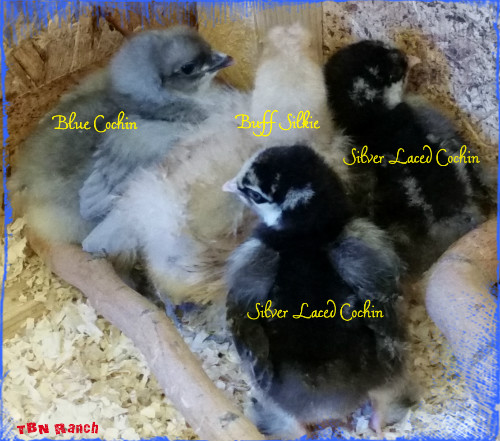
Sometimes size matters in the brooder, but there are ways to avoid and resolve the trouble. I added four new chicks to the brooder a week ago. Two blue and two silver laced six-day-old standard Cochins… and put them in the brooder with my three-week-old Silkie Bantams.
Age doesn’t matter much to baby chicks, size, however, can be reason enough to start a bully fest. The six-day-old Cochins were the same size as the Silkies, but now, a week later, the Cochins are substantially bigger. The size issue seems to go unnoticed when chicks are raised together, so they’ll continue to share the same brooder in harmony.
If new chicks refuse to get along, it’s easy enough to put a divider between the chicks, as long as they can see each other it will be pretty uneventful to reintroduce them in a week or so.

Leaving the Brooder

At two months these little fuzzy butts will be moved from the brooder to a transitional coop where they’ll be in full view of the existing flock. Around four or five months the coop door will open and they’ll have a choice to venture out and join the existing flock,  but they probably won’t for days, sometimes even a week! Then What?
It’s reality time, and their peaceful world comes to a screeching halt when they’re finally brave enough to step out and explore the real world. A world that is run by powerful chicken rulers who have earned their significant positions in the pecking order.
Learn More about the Pecking Order and Adding Chickens to an Existing Flock

Back to Chicken Keeping Resources HOME PAGE

Chickens: Intervention and Management of Problematic Pecking

Stressful Conditions Create Unhappy Chickens and Bad Behavior

Pecking problems can begin even when chicks are still in the brooder. At this age, they start pecking the toes of other chicks. When pecking occurs in older birds, they tend to peck the backs, heads, and vent areas.  Whether your birds are chicks, pullets, or mature chickens, pecking can turn into a serious matter without intervention.
Pinpointing the Problem
The normal behavior of chickens does include establishing a pecking order. So it’s important to watch your flock to learn the difference between normal and problematic pecking. It’s less likely to have a pecking problem if your flock is uniform in size, age, and breed. All your birds should be in good health as well; those that show signs of weakness are more apt to be a victim of aggressive behavior.
When persistent pecking is observed, check your flock’s environment. Poor living conditions or inadequate nutrition can be a factor in bad behavior. Make sure all members of the flock have access to food and water, even if it means putting it in more than one place. Hens do not take kindly to a shortage of nest boxes either; place them in various areas with easy access.
When there’s excessive pecking brewing in the brooder, it may be something as simple as lighting. Improper or undesirable lighting in the brooder can cause stress, If you’re using clear bulbs in the brooder, switch to red. Check the temperature in their environment, if it’s too hot, or cold, this can contribute to pecking. Adequate space is also vital, whether in the brooder or the coop.
Last, but not least, check for parasites. Examine your birds, their droppings, and the coop, and treat if necessary.
Pecking habits and cannibalism occur when birds are under stress and unhappy.
Take a good look at the environment that has been created for them. Is it what your chickens need to live in harmony?

Back to HOME PAGE