Home

Silkie Bantam

All About the Beautiful Silkie Bantam
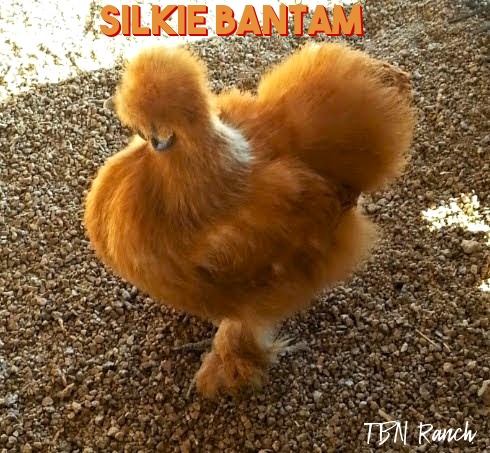
Silkies are a breed of chicken known for their fluffy, soft plumage that resembles fur. They have a distinctive appearance, five toes, and with combs and wattles should be a mulberry color or black. Their beak is usually a blue-gray color. They have black eyes and are described as exotic chickens. They are prized for their soft fluffy appearance and are quite popular in showing and exhibition.
They are known for having a calm and docile temperament, making them a popular choice for backyard flocks. They are a bantam breed, which means they are smaller in size compared to other chicken breeds. Silkie bantams typically weigh between 1.5 and 2.5 pounds. The weight can vary slightly depending on the sex of the bird, with roosters generally being slightly heavier than hens.
Silkies are thought to have originated in Asia, with China being the most likely place of origin. They were brought to Europe in the 13th century by Marco Polo and were later introduced to the Americas by early settlers. They are a hardy breed, able to tolerate cold weather, and can be raised in both free-range and confined environments.
Silkies are not known for being great layers, but I don’t find this to be true. My Silkie ladies lay most every day…. when not broody. They do indeed tend to be quite broody but are very attentive mothers, so they’re a great option for people who are interested in breeding ornamental chickens.

The Silkie chicken breed is available in bearded and non-bearded varieties. The bearded Silkie strain has a muff under the beak which covers the earlobes – this is absent in the other non-bearded Silkies. The Silkie rooster has a circular-shaped comb while the hen has a small, flat comb.
Silkie chickens come in many interesting colors, but accepted varieties include black, blue, buff, and white colors. Splash and partridge are also recognized and accepted APA colors.
Silkies are rather slow to mature, and usually don’t start laying until they reach 6 or 7 months. Eggs are cream in color and are considered small to medium.
Interesting fact: Silkies cannot fly, so roosts in the coop should be positioned low to the ground. You can offer a ladder to a higher roosting bar, but for the most part, I find Silkies prefer to be no more than 2 ft off the ground.

Back to Chicken Keeping Resources HOME PAGE

Phoenix AZ City Ordinance for Keeping Chickens

2023 | Phoenix, AZ |Section 8-7. Poultry & Rodents

No poultry or rodents shall be kept in an enclosure within eighty feet of any residence within the City. Poultry may be kept within eighty feet of a residence if written permission consenting to the keeping of poultry less than eighty feet from a residence is first obtained from each lawful occupant and each lawful owner of such residence. Poultry shall not be kept in the front yard area of any lot or parcel within the City. Poultry and rodents shall be kept in an enclosure so constructed as to prevent such poultry and rodents from wandering upon property belonging to others.
No more than twenty head of poultry nor more than twenty-five head of rodents nor more than twenty-five head comprising a combination of rodents and poultry shall be kept upon the first one-half acre or less. An additional one-half acre shall be required for each additional twenty head of poultry or for each additional twenty-five head of rodents or for each additional twenty-five head comprising a combination of poultry and rodents. For areas larger than two and one-half acres the number of poultry or rodents shall not be limited.
No male poultry shall be kept within the City limits except such male poultry as are incapable of making vocal noises which disturb the peace, comfort or health of any person residing within the City.
All such enclosures shall be kept in such condition that no offensive, disagreeable or noxious smell or odor shall arise therefrom to the injury, annoyance or inconvenience of any inhabitant of the neighborhood thereof. 

Section 8-5. Manner of Keeping Generally

It is unlawful for any person to keep or maintain any animal or bird in the City in a manner likely to disturb the peace, comfort, or health of any person residing within the City.
A person who violates this section is guilty of a Class 1 misdemeanor, however, the City Prosecutor may authorize the filing of certain cases or classes of cases as civil violations unless the person previously has been found responsible or guilty of violating this section.
A person found responsible for a civil violation of this section is subject to a sanction of not less than one hundred fifty dollars and not more than two thousand five hundred dollars.
In addition to any other penalty authorized by law, a person found guilty of a criminal violation of this section shall pay a fine of not less than one hundred fifty dollars.
Can you Have Chickens Where You Live?
Check with your local government or health department websites for information on regulations and restrictions regarding raising chickens in your city.
Key words: Poultry & Rodent Ordinance

Back to Chicken Keeping Resources HOME PAGE

All About Heritage Chickens

Considering Raising Heritage Chickens? Here’s What You Need To Know

A heritage chicken is a breed of chicken that has been around for a long time and is considered to be a part of a country’s agricultural heritage. These chickens are usually bred for their ability to thrive in a variety of environments, rather than for their egg or meat production.
They are generally considered to be healthier and hardier than modern commercial breeds, and are often used in small-scale or backyard poultry farming. Some examples of heritage chicken breeds include the Barred Plymouth Rock, the Sussex, and the Brahma. These chickens are known for their unique characteristics and are often bred for their colorful feathers and distinctive appearances.
Heritage chicken breeds are breeds that were developed in the past and are now considered to be endangered or at risk of extinction. These breeds are valued for their genetic diversity and are important for maintaining a healthy and resilient gene pool in poultry.

Here is a List of Some Heritage Breeds You May Be Familiar With:

  1. Australorp
  2. Barred Plymouth Rock
  3. Brahma
  4. Buckeye
  5. Chantecler
  6. Cochin
  7. Dominique
  8. Dorking
  9. Faverolle
  1. Jersey Giant
  2. Leghorn
  3. Marans
  4. Orpington
  5. Plymouth Rock
  6. Rhode Island Red
  7. Sussex
  8. Wyandotte
  9. MORE
Dominique | TBN Ranch

Where Can You Find Heritage Chickens?

Hatcheries: There are several hatcheries that specialize in heritage chicken breeds. You can find a list of hatcheries that sell heritage breeds online or by contacting the American Livestock Breeds Conservancy.
Poultry shows or exhibitions: Poultry shows or exhibitions are a great place to find heritage chickens and talk to breeders. You can find a list of upcoming shows in your area by contacting the American Poultry Association or the American Bantam Association.
Online classifieds or forums: There are several online classifieds and forums where you can find heritage chickens for sale. A popular option is Backyard Chickens.

Best Place To Learn More About Heritage Chickens

Livestock Conservatory Articles of Interest

Conservation Priority List
Definition of a Heritage Breed
Online Directory of Heritage Breeds:
Use this Breeders Directory to find rare breed stock and products. To be listed in the directory, you must be member of The Livestock Conservancy or a Breeders & Products Directory Participant.

Back to HOME PAGE