The Australorp is a great choice if you’re looking for an excellent layer of large brown eggs. Expect approximately five eggs per week from this *dual-purpose bird. Their color is black, their weight at maturity is 7-8 pounds, and they are docile, friendly, and considered shy. About the Australorp Single Comb 4 Toes Broody/Setter Confines Well Average, 260 Eggs Yearly Cold Hardy Class: English • Rarity: Common The Australorp is of Australian origin, developed as a utility breed with a focus on egg laying. It achieved worldwide popularity in the 1920s after the breed broke numerous world records for the number of eggs laid. The most popular color is black, which is the only color recognized in the United States. However, blue and white are also recognized in its home country. South Africa recognizes buff, splash, wheaten laced, and golden as well. The Australorp is a great starter bird if you’re new to chicken keeping. The chicks are hardy and very easy to raise. * Dual Purpose: provides 2 kinds of resources, meat & eggs.
I’ve always been interested in this bird, but know little about them. They seem to be available at hatcheries, although in moderate numbers. After reading this article, thought I was sold… until I read all the reviews and the word noisy kept popping up! Passing the information along to you, maybe they’ll be of interest to you. Delaware aka Indian River The Indian River was developed in the 1940s in the United States by George Ellis in the state of Delaware. He selected the occasional light colored sport produced from the popular broiler cross of Barred Plymouth Rock roosters and New Hampshire hens. Continue Reading
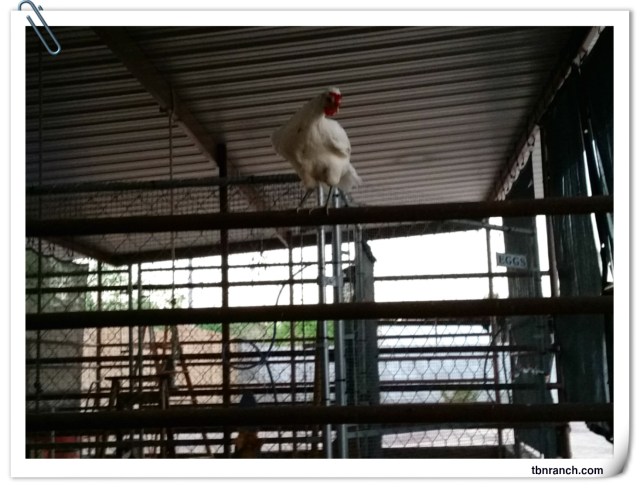
Chickens have a strong homing instinct which drives them to return to the same place to roost at dusk. Those who for whatever reason have decided otherwise can easily be picked up when it’s dark and placed in the coop. After a few days to a week at most, they usually give up the tree limb, fence, or corner they fancied and join the others in the coop without your interference. Make sure it’s dark though! Because as soon as you turn your back they’ll run back to where you took them from. It’s very common for youngsters to choose a corner on the ground away from the coop. Just pick them up and place them where you want them to be and they’ll catch on after a while. However, don’t be concerned if your young birds pile up together in the coop, just be glad they’re in there! As they mature they’ll find their way to the roost, usually at around five months old. This four-month-old Leghorn chose this spot to roost for the night. After a few evenings of fetching her off the fence and putting her in the coop, she gave up and now joins the others on her own.
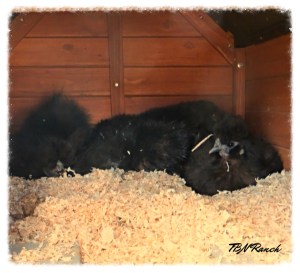
Do all Chickens Roost? No, don’t ask me why… some, such as Silkies for example, are known to hunker down for the night in the coop, off the roost. I have four one-year-old hens that refuse to roost, it doesn’t matter, as long as they are safely confined at night I just let them choose their comfort zone.
Night Behavior A chicken’s behavior is dramatically different at night. During the day they are full of life, feisty, and confident, but when the night comes they turn into total milk duds, almost as if they were in a hypnotic state. Take advantage of this time, this is your hassle-free ticket to handle, inspect, and doctor chickens. Especially the ones that are difficult or impossible to catch during the day. Chickens are so docile at night that you can usually sneak a new bird in the coop after dark, it will most likely go unnoticed until morning. Some chicken keepers choose to introduce birds this way. But I must warn you, a chicken’s night stupor disappears the moment they march out of the coop at the crack of dawn. Be prepared to witness a whole new ball game of unkind introductions, to say the least! Learn more about Introducing Chickens to an Existing Flock.


 TBN Ranch Chicken Keeping Resources