Every year brings new opportunities for improvements in our coop, and this year is no different. One significant upgrade stands out: the installation of an evaporative cooler to ensure my hens stay comfortable in the desert heat. Additionally, I’ve expanded the run, incorporated surveillance cameras so I can keep an eye on them, upgraded the shade cloth for better sun protection, and insulated all the barn pipes to help keep the water cooler. So let’s take a look!
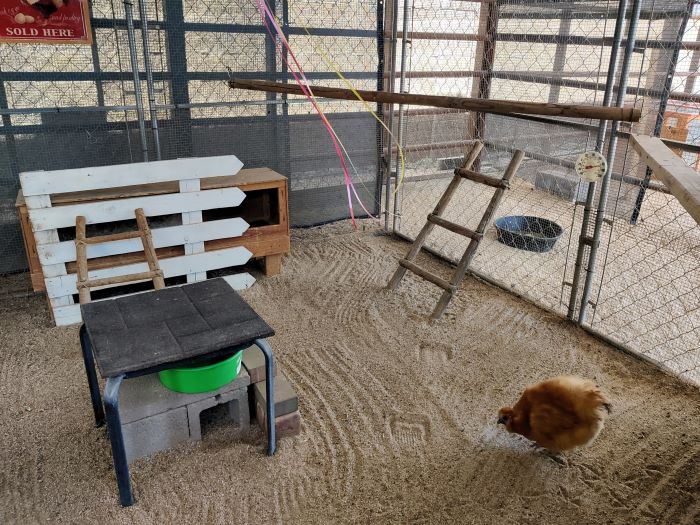
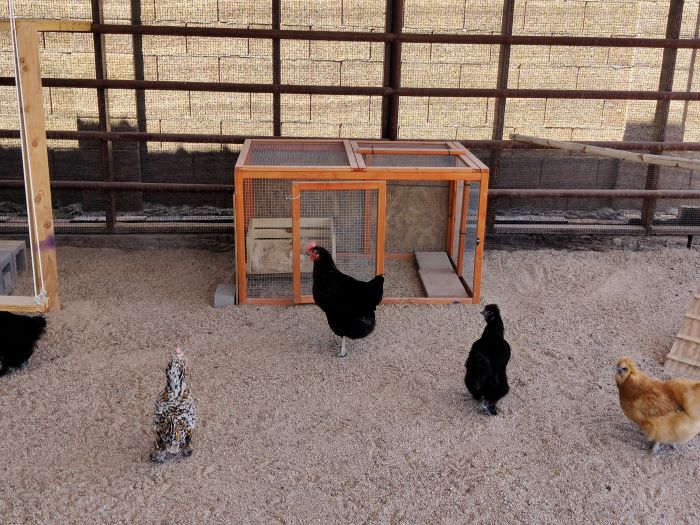
Aisle to the coopInside the 10×10 walk-in coop.Streamers are there so I know the fans are working. 🙂Feeding stations in outdoor runFully covered run with extra nest boxesBrooder in the community run for mothers to be
What Age Is a Chick Fully Feathered & What Does That Mean?
Ideal Outdoor Temperature For Fully Feathered Chicks
The timing for moving chicks from a brooder to a coop depends on several factors. In general, chicks can be moved from the brooder to the coop when they are fully feathered, usually around 6-8 weeks of age. However, if you’re raising chicks in winter, they may need a heat source much longer, and in summer they may only need a heat source for a few weeks. You can determine the chicks’ comfort zone by their behavior. If the chicks are huddled together it’s most likely they’re cold. If some are eating, others active, and a few are resting, that’s a good indication they are quite comfortable.
What Does Fully Feathered Mean?
A fully feathered chick means its downy fluff has been replaced with real feathers. This usually occurs around 6-7 weeks of age, but not all breeds get their feathers at the same time. It’s better to observe the feathering process rather than the age of e bird. As a guideline, and in my opinion, when moving fully feathered chicks from the brooder to the coop, the ideal temperature would be around 65 -70 degrees. To achieve ideal climate conditions, the best time to start chicks is in Spring.
Fluffy down, feathers starting to appearFully feathered
Adjusting Temperature Control in the Brooder
An important reason for having temperature control on the brooder is that it not only keeps baby chicks warm but also to prepare them for cooler temperatures as they grow. Each week the temperature in the brooder should be lowered by 5 degrees. The rule of thumb is as follows: Week 1: 95 degrees Week 2: 90 degrees Week 3: 85 degrees Week 4: 80 degrees Week 5: 75 degrees Week 6: 70 degrees Week 7: 65 degrees
If your birds are ready to be moved to their coop, happy moving day!
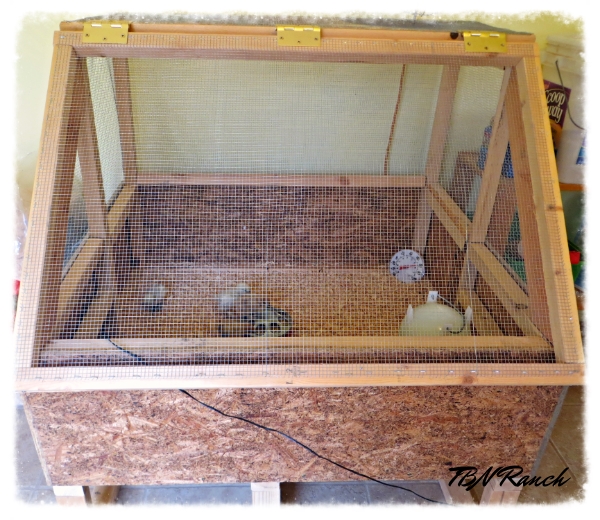
A brooder for chicks is a special enclosure or container designed to provide a warm and safe environment for newly hatched chicks to grow and develop until they are fully feathered. You can expect your chicks to be fully feathered somewhere between 5 & 8 weeks. Brooders can be made of various materials, including cardboard boxes, plastic containers, or specially designed enclosures. They typically include a heat source, such as radiant heat or a heat lamp to keep the chicks warm. Inside the brooder will be bedding material, such as pine shavings to absorb moisture and provide a soft surface for the chicks to rest on, as well as a feeder & drinker especially made for baby chicks. The goal of a brooder is to create an environment that mimics the warmth and protection provided by a mother hen, helping to ensure the health and well-being of the young chicks as they grow and develop. Chicks need a brooder because they are not able to regulate their body temperature effectively when they are first hatched. They need to be kept warm in a controlled environment until they are able to maintain their own body heat. The brooder also needs to be kept clean and dry to prevent the chicks from getting sick or developing health problems. Adequate ventilation is also important to ensure that the air inside the brooder is fresh and the chicks have access to oxygen. Raising chicks should be fun, so being creative with a brooder box is encouraged. Here are over 100 ideas to inspire you.






 TBN Ranch Chicken Keeping Resources