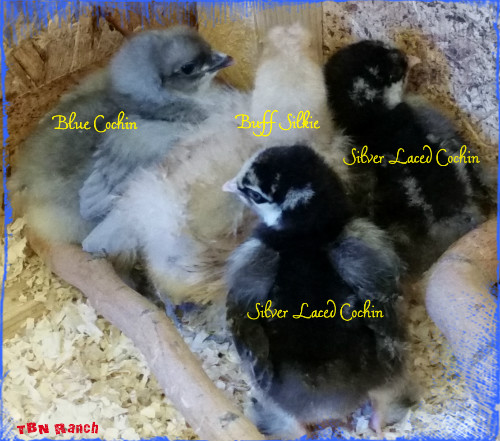
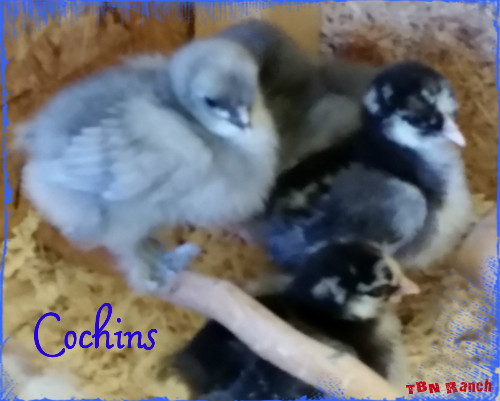
Sometimes size matters in the brooder, but there are ways to avoid and resolve the trouble. I added four new chicks to the brooder a week ago. Two blue and two silver laced six-day-old standard Cochins… and put them in the brooder with my three-week-old Silkie Bantams.
Age doesn’t matter much to baby chicks, size, however, can be reason enough to start a bully fest. The six-day-old Cochins were the same size as the Silkies, but now, a week later, the Cochins are substantially bigger. The size issue seems to go unnoticed when chicks are raised together, so they’ll continue to share the same brooder in harmony.
If new chicks refuse to get along, it’s easy enough to put a divider between the chicks, as long as they can see each other it will be pretty uneventful to reintroduce them in a week or so.
Leaving the Brooder
At two months these little fuzzy butts will be moved from the brooder to a transitional coop where they’ll be in full view of the existing flock. Around four or five months the coop door will open and they’ll have a choice to venture out and join the existing flock, but they probably won’t for days, sometimes even a week! Then What?
It’s reality time, and their peaceful world comes to a screeching halt when they’re finally brave enough to step out and explore the real world. A world that is run by powerful chicken rulers who have earned their significant positions in the pecking order.
Learn More about the Pecking Order and Adding Chickens to an Existing Flock



 TBN Ranch Chicken Keeping Resources