Meet Rose, an 18-month-old black Silkie Bantam hen. She’s broody most of the time, rarely lays, and when she does it usually looks like some creepy alien egg. Nevertheless, she’s my friend, and that buys her a forever place on my little farm.
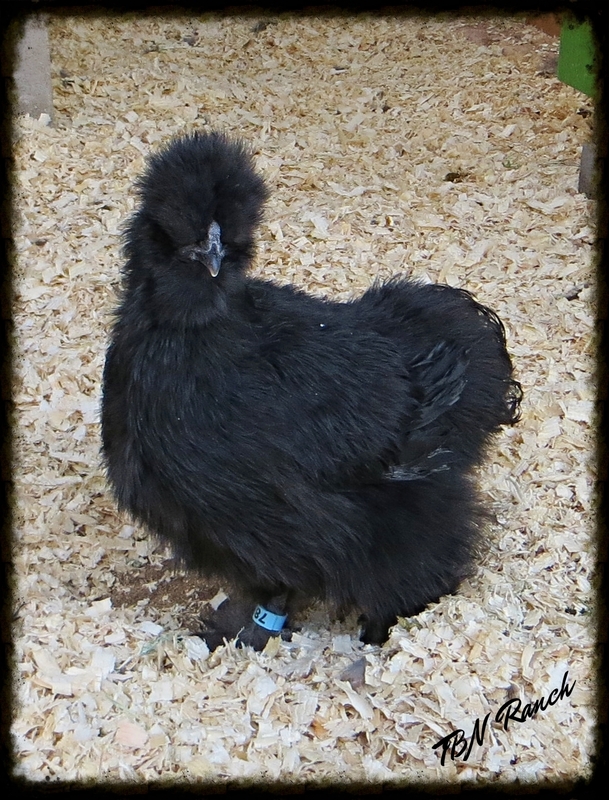

Meet Rose, an 18-month-old black Silkie Bantam hen. She’s broody most of the time, rarely lays, and when she does it usually looks like some creepy alien egg. Nevertheless, she’s my friend, and that buys her a forever place on my little farm.
It’s difficult, but not totally impossible to determine the sex of a Silkie. There are signs that can help you long before the first egg or crow of a rooster. Behavior and size can be good indications of sex.
Roosters are often bold, have that sturdy or stronger look, and sometimes they are larger. These are noticeable traits, even when chicks are still in the brooder. Look for the brighter, or sharper distinctions of color in birds when they reach 8 or 9 weeks. Roosters seem to stand out more, dazzling you with a little wow factor.
These Silkies are all just under 3 months old, 2 white, and 2 buffs. The white Silkie pictured below is probably a rooster. He is much larger and has been at the top of the pecking order since the second week of life. The size between pic 1 and 2 is obvious, recognizing behavior traits is something you’ll notice by watching your own birds.
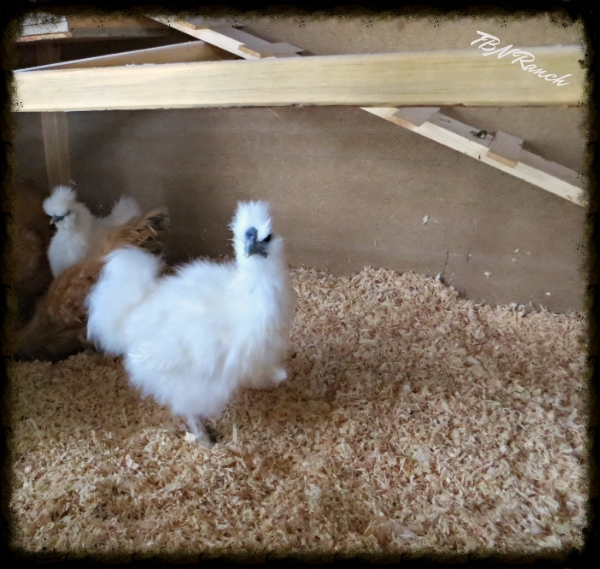


All we really can do is learn the behavior traits of roosters and recognize indications such as size. But I must admit, I’ve been positive about having a Silkie rooster… and been surprised 6 months later when it laid an egg. Gotta love those Silkie Bantams!
If you buy your birds as chicks, you can expect to feed and care for them for 22 to 24 weeks before they reach their point of lay. However, this depends on the breed, time of year, and the level of care they have received. It is not uncommon for some breeds to take even longer to mature and not produce until 25 to 30 weeks.
Some people would rather skip chick-rearing altogether and buy pullets already at their point of lay. Sounds like a good plan, but you’ll have to be patient with that choice. Even if they are laying eggs, they will most likely stop for as long as two months when they are moved to a new environment. It’s important to know the bird’s actual age too; point of lay doesn’t mean they are laying… it means they will lay in the near future.
Knowing the age of a pullet is important; you don’t want to feed a layer diet too early. Most people buy chickens to have a fresh supply of eggs. Rushing young birds may cause serious health issues, which won’t fill the egg basket!
So how can you tell if a pullet is actually close to laying? There is a simple way to check the age and the approximate point of lay.
Here’s How…
Pick up the pullet and tuck her head under your arm. Situate her so you can easily get to her rear end or vent area.
Locate the 2 pelvic bones.
If the pullet is not yet laying, the pelvic bones will be very close together.
If she just started laying the pelvic bones will be about 1 finger apart.
As a pullet matures and produces eggs, you will be able to put 2 to 3 fingers between the pelvic bones.
This test will give you an idea of a pullet’s age, it can’t tell you when you’ll get that first egg, but it will also help you determine the pullet’s feed requirements while you’re waiting.


