The Turken is a light brown egg layer and is considered a dual-purpose utility chicken. It is especially suitable for meat production as the breed has approximately half the feathers of other chickens, making them easier to pluck. These birds are cold hardy and heat tolerant, excellent foragers, and immune to most diseases. Their appearance is rather odd and not particularly appealing to some. Perhaps this explains why they’re not usually known to be an exhibition bird. About Size: 6.5 to 8 pounds Type: Large Fowl & Bantam Varieties: Black, Buff, Red, White Egg Laying: 2-3 per week Egg Size: Medium Egg Color: Light Brown Comb Type: Single Personality: Docile & Friendly Broody/Setters: Yes
Whether or not your flock needs grit is a common question, and the answer can be complicated considering there are different factors to consider. If you’ve already done some research then you know the answer is also a controversial one. Well, there is an answer, and once you understand what grit is and what it’s for, you can make your own decision on whether or not your flock needs it. Chickens do not have teeth and grit is used to help digest their food. That’s it, plain and simple! If your birds are in confinement and eat only commercial feed then grit is not necessary. Commercial feeds are formulated to be very easy to digest. But if your chickens are eating other foods that you offer, or are allowed to forage, you may need to provide grit. What is Grit? Grit is nothing more than granite, crushed into two different sizes, small for chicks, and larger for chickens. For Chicks It’s recommended that baby chicks be provided with grit, then again, chick starter is a commercial feed that is easily digested, so… grit isn’t exactly vital to their survival either. But, to be safe, yes, I provide grit as a supplement to my chicks in the brooder. You can use grit or clean sand and sprinkle it on the bottom of the brooder, mix it in the feed, or free-feed it. Doesn’t matter, I’ve experimented all three ways and can’t honestly say one is better than the other. For Chickens If your chickens are allowed to forage either in a confined area or on acreage there’s only one thing you need to know. What are they foraging on? Is there adequate natural grit underfoot? If they are confined to a run built off their coop with grass or wood shavings for footing then they need grit, especially if you offer them table scraps. Here in Phoenix, the ground is granite, so my hens are scratching around on a natural source of grit all day so there’s absolutely no need to feed grit. Grit is available at your local feed store, it’s cheap and usually sold by the pound. Or, it might be right on your own property, and free! Just a note… Chicken grit and oyster shell are not for the same purpose. Grit aids in digestion and oyster shell is used to provide calcium to your laying hens.
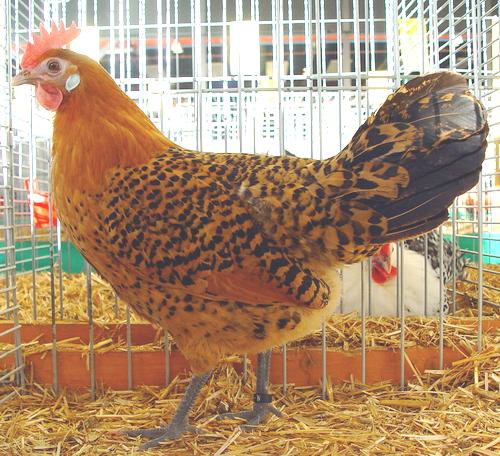
The Campine chicken, pronounced Kam-peen, is a beautiful and rare breed that originated in the Kempen Country near Antwerp, Belgium. They are close relatives of the Belgian Braekel. The Campine chicken comes in two varieties, the Silver and the Golden. Hens and roosters are nearly identical in feather coloration. In 1893, Campine chickens were first imported into America by Mr. Arthur D. Murphy of Maine and the American Poultry Association recognized the breed in 1914. Characteristics Type: Large Fowl Size: Male: 6lb. / Female 4lb. Purpose: Egg Laying Recognized Varieties: Silver & Golden Crested: No Feathered Legs: No Number of Toes: 4 Single comb Moderately cold tolerant Not especially docile Non-setter Not broody Tolerates confinement Alert, intelligent, active Egg Production Expect about 3 medium to large white-shelled eggs per week. Sexing When Silver Campine females are mated to Golden Campine males the chicks can be sexed at day-old – the female chicks have a reddish blush and the males have gray on the top of their heads. ALBC Status: Critical For more information about the Campine visit the ALBC (American Livestock Breeds Conservatory.)



 TBN Ranch Chicken Keeping Resources