Help for Determining the Sex of Silkie Bantams

It’s difficult, but not totally impossible to determine the sex of a Silkie. There are signs that can help you long before the first egg or crow of a rooster. Behavior and size can be good indications of sex.
Roosters are often bold, have that sturdy or stronger look, and sometimes they are larger. These are noticeable traits, even when chicks are still in the brooder.  Look for the brighter, or sharper distinctions of color in birds when they reach 8 or 9 weeks. Roosters seem to stand out more, dazzling you with a little wow factor.
These Silkies are all just under 3 months old, 2 white, and 2 buffs. The white Silkie pictured below is probably a rooster. He is much larger and has been at the top of the pecking order since the second week of life. The size between pic 1 and 2 is obvious, recognizing behavior traits is something you’ll notice by watching your own birds.
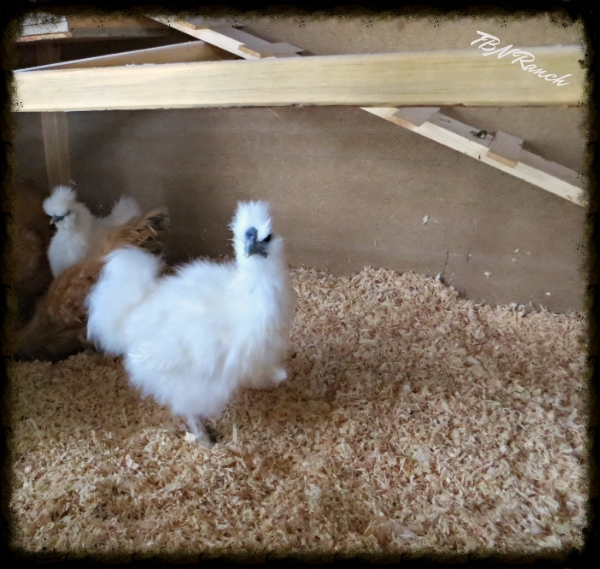
Jo, Silkie 12-17-14
Probably a Rooster
Pat, Silkie 12-17-14
Probably A Pullet
Fanny 2 Silkie 12-17-14
Probably a Rooster

All we really can do is learn the behavior traits of roosters and recognize indications such as size. But I must admit, I’ve been positive about having a Silkie rooster… and been surprised 6 months later when it laid an egg.  Gotta love those Silkie Bantams!

Back to Chicken Keeping Resources HOME PAGE

Moving Day, Brooder to Coop

• What Fully Feathered Silkie Bantams Look Like
• Brooder to Coop, Suitable Outdoor Temperatures

Community Flock 11-8-14

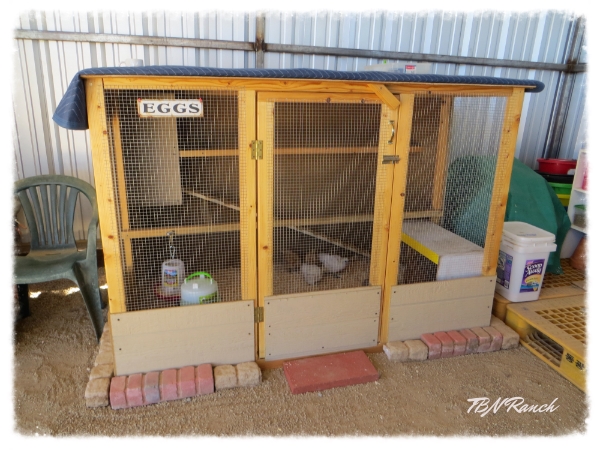
The Silkies are 6 weeks old and ready to leave the brooder. They’ve been raised in an insulated shed with natural light, and their only source of heat was radiant heat from the Brinsea Brooder.
Night temperatures were between 48 and 55 degrees, and although I veered from the golden rule of keeping the brooder at 95 the first week and lowering the temperature by five degrees each week, my chicks showed no signs of discomfort.  I usually don’t move chicks from the brooder until 7 or 8 weeks, but being kept in cooler conditions they tend to feather quicker.
Here they are, Fanny, Jo, Pat, and Randi. Happy, healthy, thriving youngsters in their new coop. Which ones will stay or end up in the sale pen will be a question answered when they’re about 6 months old. This breed is nearly impossible to sex at this age, so the only sure way is to wait for the eggs or hear the crowing.
Note: Remember to acclimate your chicks to cooler weather if they are being raised indoors. Chicks raised under a heat source and kept at a consistent temperature may take a week or two longer to fully feather.

Community Flock 2 11-8-14
Back to Chicken Keeping Resources HOME PAGE

Articles for Chicken Keepers

Back to Chicken Keeping Resources HOME PAGE

Save

Save

Save

Save

Save