Be an Informed Buyer, Ask Questions, Recognize Signs of Poor Health
It’s Spring and you might have buying baby chicks on your mind. This is when the feed stores have all those cute fuzzy butts available, and they certainly are hard to resist. Nothing wrong with being an impulse buyer in my book, but at least be an informed one! There are things to look for, and of course, you want to bring home healthy chicks. Once you leave the store, there’s no turning back, whatever chick problems you have, you’re stuck with, sorry, no returns. Ask Questions It’s good practice to ask the store manager when they received the chicks. Most likely the chicks were in transport before their arrival. During that time, chicks can become dehydrated, stressed, and kept too cold or hot, all compromising a chick’s survival. Most chicks in poor health will die within the first two days of their life. You’ll want to avoid buying chicks until they settle in at least 3-4 days after transport. Marek’s disease is extremely contagious among chickens and usually fatal, so always make sure the chicks you buy are vaccinated at the hatchery.
Choosing Healthy Chicks
You’ll want to see active chicks, some resting, others eating & drinking, and some under a heat source. This is normal behavior. Avoid chicks that are all huddled together, or lethargic. Eyes should be clear, and you don’t want to see any signs of fecal impaction, better known as pasty butts, Learn More. The beak, top, and bottom should be even, there shouldn’t be an overbite, or cross-over which may interfere with proper eating. Legs should appear sturdy and straight. Chicks will be fuzzy all over, avoid those with sparse or missing fluff. Prepare Have your brooder in place and ready to go before you bring home your baby chicks, it’s important to make their once again transition easy as possible. The brooder box should be the right temperature with bedding, a heat source, and food/water in place.
From coop building tips to feeding guides and health care advice, there’s a lot to learn. This post gathers the best tools and guides for every stage of your chicken keeping journey.
Baby Chicks
Raising Baby Chicks
The First 7 Weeks A comprehensive guide to preparing for and managing baby chicks with a step-by-step approach. Read Article/ TBN Ranch
Fecal impaction is a common issue among young chicks and can be fatal if ignored. Learn the signs and how to avoid this problem. Read Article / TBN Ranch
A chick brooder is a specialized enclosure or container created to offer a cozy and secure setting for recently hatched chicks. Here are the many types to choose from. Read Article / TBN Ranch
Managing the Brooder Temperature
This guide aims to assist you in ensuring their comfort by providing insights into their behavior, whether you choose to use a heat lamp or the modern radiant heat alternative. Read Article/ TBN Ranch
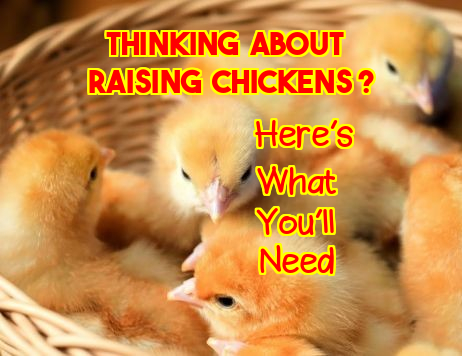
Thinking About Raising Chickens? Read These Articles First
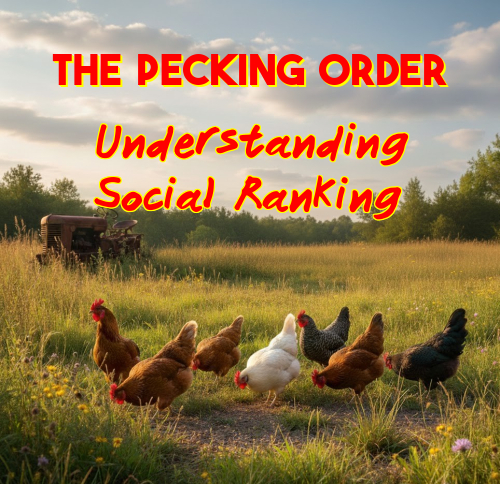
Often the stronger or larger birds rank highest in the social order. This article will help you learn how to minimize drama when bullying becomes excessive. TBN Ranch
The primary role of a rooster in a flock of chickens is to fertilize the eggs laid by the hens. Aside from fertilizing eggs, roosters also play a protective role in the flock. Continue Reading/ TBN Ranch
Seasonal Chicken Keeping
Keeping Chickens in Extreme Heat
Is your chicken yard and coop adequately designed to support the overall welfare of your flock during the summer season? It is crucial to make necessary preparations for extreme heat to prevent your birds from experiencing heat exhaustion and related issues. Read Article / TBN Ranch
Are you interested in a traditional design, something unique and unconventional, a do-it-yourself project, or maybe a more elaborate setup? View Now / TBN Ranch
Drinkers / Waterers
So many to choose from, but which one best fits your flock’s needs? Auto-fill, nipple, standard fill, or DIY, view them all in one convenient place HERE/ TBN Ranch
Nest boxes play a vital role in supporting both chickens and their caretakers, offering a range of benefits. Discover numerous suggestions to assist you in selecting perfect nest boxes. View Now / TBN Ranch
Creative Roost Ideas
There are so many different types of roosts, which one is best for your coop? Your birds need something suitable to roost on at night. Be creative! Here are over 50 types to inspire you. View Now / TBN Ranch
There are several common outdoor plants that are generally considered toxic to chickens, which makes it important for poultry owners to be aware of these potential hazards. Read ArticleTBN Ranch
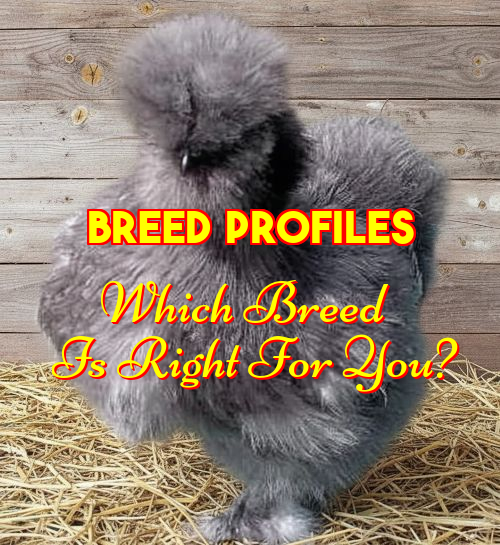
There exists a wide array of exquisite chicken breeds, each presenting its own unique qualities. We will delve into the particulars, including temperament, egg size, egg color, egg production, and primary use. Breed Profiles/ TBN Ranch
The quality and safety of eggs can differ due to various factors, such as storage methods and whether they are raw or cooked. Nevertheless, I can provide you with fundamental safety guidelines. Read Article / TBN Ranch
Hatcheries for Mail-Order Chicks
Hatcheries
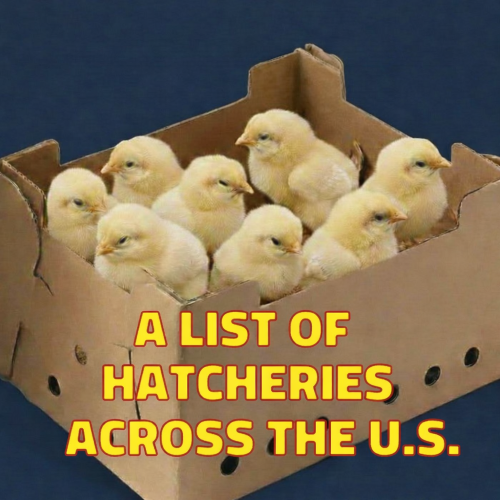
Explore my collection of top-notch hatcheries. I’ve have personally purchased chicks from many of these hatcheries and have been consistently satisfied. Read Article / TBN Ranch
At one time or another, you’ll inevitably lose one or more of your new baby chicks. Mail-order chicks or chicks kept in stressful conditions are most at risk. We usually blame it on one thing or another, but the most common reason is often overlooked… and can be avoided. Once dehydration is ruled out, and the chick showed no other signs of trouble before it died, the problem is often caused by pasting up, which is just a fancy name for a poopy bum. This is simply a condition where the baby chick’s poop gets stuck on the downy feathers outside their vent and prevents them from pooping. It’s often a fatal condition, so it’s very important to check all the chickie bums for at least the first two weeks of life. Tending to Pasting Up If there’s fecal matter stuck to the chick’s vent, use a warm wet cloth and soak it off. Sometimes if a chick has a chronic problem with pasting up it’s better to pull off the poop when it’s dry. This way it takes all the downy feathers with it, preventing another impaction.



 From coop building tips to feeding guides and health care advice, there’s a lot to learn. This post gathers the best tools and guides for every stage of your chicken keeping journey.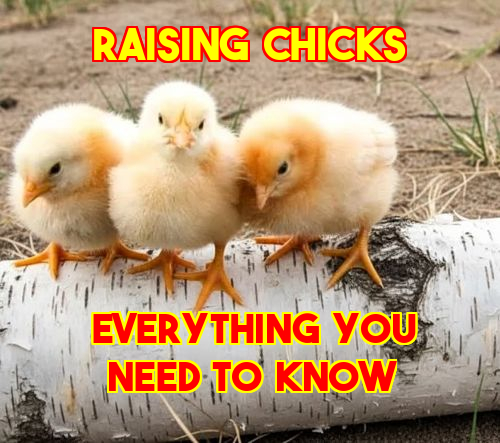
















 TBN Ranch Chicken Keeping Resources