Costco Has Failed Chicken Keeping 101… In So Many Ways
A Phoenix Costco has jumped on the urban chicken-keeping bandwagon, selling this coop for $279. That’s a lot of money for this poorly designed flimsy wood structure with cheap hardware. Size matters in Phoenix! This coop will house 2 unhappy chickens, but it will also bake them alive in Phoenix summers. Why it Fails My Approval Next boxes haven’t a lip on the edge, so bedding will get kicked out resulting in broken eggs. All the doors are really small making access & cleaning difficult. Roofing material is a poor choice, especially for Phoenix. Roost is narrow and too low. Hardware is cheap & used sparingly, doors will likely warp. So back to the drawing board friends, and happy coop hunting… elsewhere.
An Informative Article on Why, When, and How Molting Effects a Hen’s Egg Production.
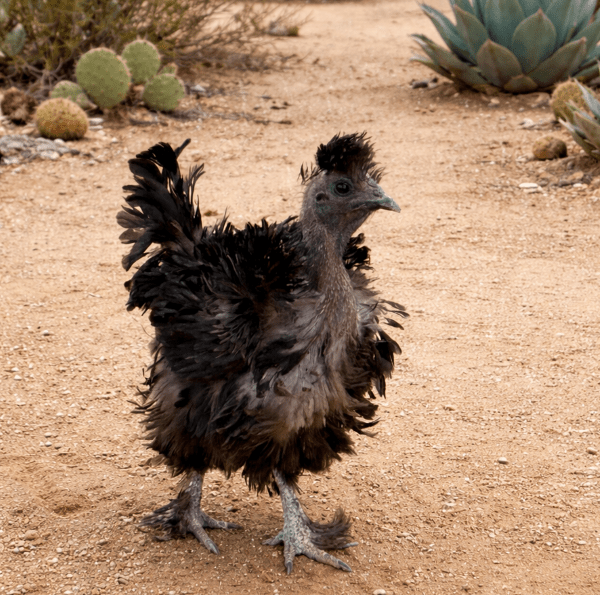
Every year your chickens will molt, in other words, lose their feathers and grow new ones. Unfortunately, it also means most hens will not lay eggs until their molt cycle is done. However, there are exceptions to that rule. There are hens whose rate of lay is not affected, but you can expect their molt time to last longer. Late molters will lay eggs 12 to 14 months before they molt, and early molters might begin to molt only a few months after their point of lay. Late molting is preferred; those birds usually have a more ragged feather appearance, but will generally be your better-laying hens. Early molters are just the opposite; they have a smooth and tidy appearance but are usually poor layers. Late molters will lay eggs longer before molting, and within 2 to 3 months will have completely shed their feathers. Their loss of feathers is replaced at the same time, which means a hen will return to full production quicker. Early molters lose their feathers just a few at a time and will drag out the molting process for as long as 4 to 6 months. These hens will generally be the poor producers in your flock. There is a definite order in which feathers are lost, so it gives you a general idea of what molting stage they’re in. Chickens lose their head feathers first, then those on the neck, breast, body, wings, and tail last. The particular time of year your birds will molt depends on the climate of your geographic region. Wherever you live, your chickens will not so subtly inform you when you can expect this yearly process to occur. Note: A little crimped or rolled oats added to your chicken’s diet during molting may assist in feather growth.
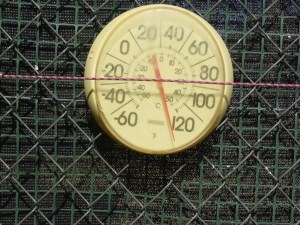
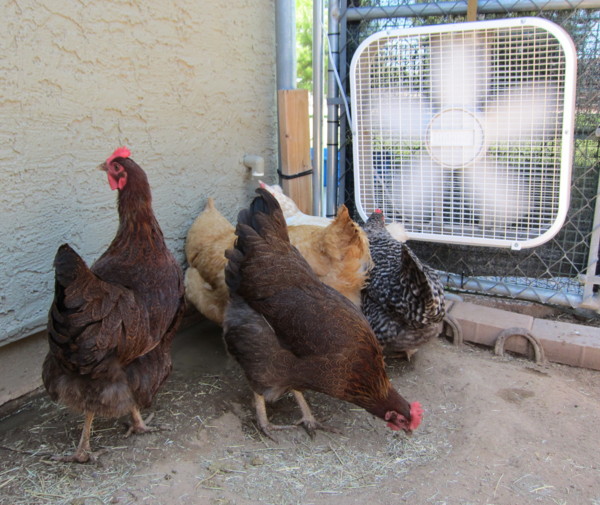
Shade is hard to come by in Phoenix, but not impossible if you’re creative. If your chickens are in a small coop they are unlikely to survive triple-digit temperatures, I know that sounds a bit harsh, but it’s true. June will most likely exceed 110, which means 120+ in the coop, and that’s a death sentence. Your birds will fair well in temperatures up to 105 if they are not confined, have shade, and a place to dig a hole in the dirt. Make sure they have cool water available, if the water is too hot they won’t drink enough to stay hydrated. Make it easy on yourself, use buckets instead of those chicken drinkers that are impossible to clean and a big hassle to fill. When temperatures reach over 105 in the shade it’s time to introduce a fan to the chicken yard. I don’t use anything fancy, a $20.00 box fan will do the trick. Hang it from a fence (wreath hangers work nicely) or anyplace where it won’t tip over. Your birds will stand in front of that fan like they were watching a movie!
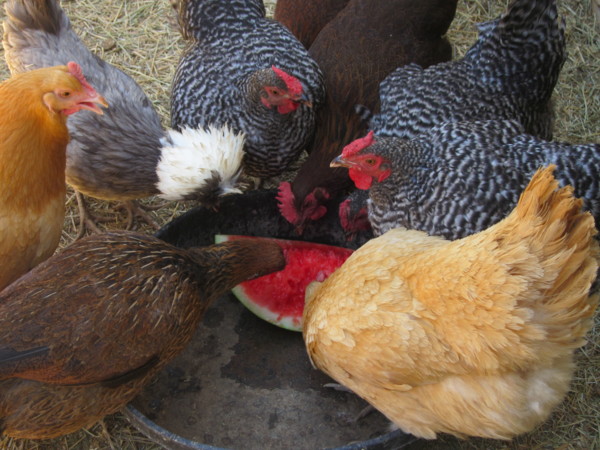
June and July are the worst months for excessive heat, 110 -115+, and when you really have to stay on top of your chicken-keeping responsibilities. Mist systems help cool the air, especially with a fan to keep the air moving. I like the standing misters ($10.) that attach to a hose. Place it right in the chicken yard, and dig up a small area near it so the moisture forms a little mud pool for the birds. If you free-feed your chickens, don’t in summer. Feed produces heat, so feed early morning, a little during the day, and just before they return to the coop at night. Never offer scratch feed in summer, it’s a hot feed and unsuitable for your feathered desert dwellers. Offer your flock a watermelon, or a head of lettuce instead, this will help keep them hydrated.
Danger Signs of Heat Exhaustion
The first sign of trouble is dark red, then pale comb and wattles. As their condition worsens they will become unstable on their feet, lethargic, wobble, and even fall over and lie lifeless. They will die quickly if you don’t act fast. Note: Heavy or meat Birds such as Orpingtons are the first to show signs of heat intolerance, watch them closely. Chickens will hold their wings out from their body, pant, and lay in holes on their side – all normal behavior when they’re very hot. What to Do Submerge the chicken in a 5 gal. bucket of warm water and place the bird under a shade tree. Don’t bring the bird indoors to air conditioning, this will only make matters worse when you return the chicken to the outdoors. A fan on low will help cool the bird quickly, they usually recover within 15-20 minutes. Ideas for Providing Shade Shade Cloth Mesh Tarps Lattice Palm Frond Shade Sails



 TBN Ranch Chicken Keeping Resources