Resource Library for Chicken Keepers

Research & Learning Center

From coop building tips to feeding guides and health care advice, there’s a lot to learn. This post gathers the best tools and guides for every stage of your chicken keeping journey.

Baby Chicks

How to Buy Chicks from a Feed Store TBN Ranch
Brooder to Coop, When? TBN Ranch
How to Care for Your Mail Order Chicks TBN Ranch
Introducing Hatch-a-longs to the flock TBN Ranch
About the Brinsea EcoGlow Brooder TBN Ranch
Choosing a Radiant Heat Chick Brooder TBN Ranch

Fecal Impaction or Pasting up

Traditional Heat Lamps, and the Radiant Heat Alternative TBN Ranch
What is that black spot or string on my baby chick’s rear end? TBN Ranch
When To Move Baby Chicks From The Brooder To Coop TBN Ranch
Hatcheries for Mail-Order Chicks TBN Ranch
Preparing for Baby Chicks TBN Ranch
A Collection of Caring for Baby Chicks Articles from Experts TBN Ranch
Best Time to Buy Chicks in Phoenix TBN Ranch

Brooder For Your Chicks

A chick brooder is a specialized enclosure or container created to offer a cozy and secure setting for recently hatched chicks. Here are the many types to choose from. 
Read Article / TBN Ranch

Managing the Brooder Temperature

This guide aims to assist you in ensuring their comfort by providing insights into their behavior, whether you choose to use a heat lamp or the modern radiant heat alternative.
Read Article / TBN Ranch

Charts, Diagrams, Learning


Chicken Anatomy, External, Internal, and Skeletal
Chicken Anatomy, Full Color
Chicken Egg Color Chart
Chicken Feather Variations & Markings
Development of a Chick
Checklist for Chicken Coop
Interesting Facts About Combs & Wattles + Distinctive Types
How A Chicken Digests Food TBN Ranch

Managing the Flock

Backyard Chickens, Know What You’re Getting into TBN Ranch
Backyard Chickens, Yes or No? Is it for You? TBN Ranch
Can Chickens Fly? TBN Ranch
Chicken TERMINOLOGY TBN Ranch
How Long Does a Chicken Live? TBN Ranch
How Much Space Chickens Need TBN Ranch
Thinking About Raising Chickens Because of Egg Prices? TBN Ranch
Updated List of Hatcheries TBN Ranch

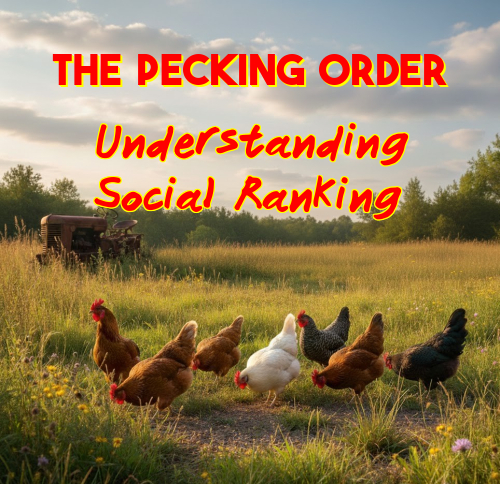
Understanding The Pecking Order

Often the stronger or larger birds rank highest in the social order. This article will help you learn how to minimize drama when bullying becomes excessive. TBN Ranch

All About Molting TBN Ranch
Adding Chickens to an Existing Flock TBN Ranch
My Successful Introduction of a New Pullet TBN Ranch
The Chicken’s Senses TBN Ranch
The Deep Litter Method in the Coop Explained TBN Ranch
Perfect Sand Sifter for Cleaning the Chicken Coop TBN Ranch
What Beginners Should Know Before Buying a Chicken Coop TBN Ranch
Sand or Pine Shavings in the Coop? TBN Ranch
The Best & Worst Sands for your Chicken Coop TBN Ranch
10 Essential Tips for Healthy Chickens TBN Ranch
How Do Feathers Keep Chickens Warm? TBN Ranch
Feather Picking in Chickens TBN Ranch

Practical Chicken Coop Bedding

Bedding choices to keep your coop clean, and make your life easier. TBN Ranch

Getting Chickens to Roost in the Right Place TBN Ranch
The Best Way to Catch a Chicken TBN Ranch
Raising Chickens, Pros & Cons TBN Ranch
About Combs & Wattles TBN Ranch
Fun Facts About Chickens TBN Ranch
What Is a Proper Roost for Chickens? TBN Ranch
Chicken Wire or Hardware Cloth? TBN Ranch

The Role of a Rooster

The primary role of a rooster in a flock of chickens is to fertilize the eggs laid by the hens. Aside from fertilizing eggs, roosters also play a protective role in the flock.
Continue Reading / TBN Ranch

Seasonal Chicken Keeping

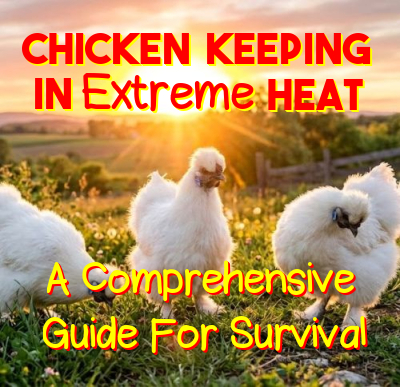
Keeping Chickens in Extreme Heat

 Is your chicken yard and coop adequately designed to support the overall welfare of your flock during the summer season? It is crucial to make necessary preparations for extreme heat to prevent your birds from experiencing heat exhaustion and related issues.
Read Article / TBN Ranch


Keeping Chickens in Winter TBN Ranch
Winter Chicken Keeping in Phoenix TBN Ranch
Choosing a Mist System For Your Chickens TBN Ranch
Heat Distress, Symptoms, Treatment & Prevention TBN Ranch
5 Tools Your Chickens Need To Survive The Heat TBN Ranch
City Ordinances, Phoenix, Arizona 2025 TBN Ranch

Broodies

Keeping Hens with Eggs or Chicks safe Among the Flock TBN Ranch
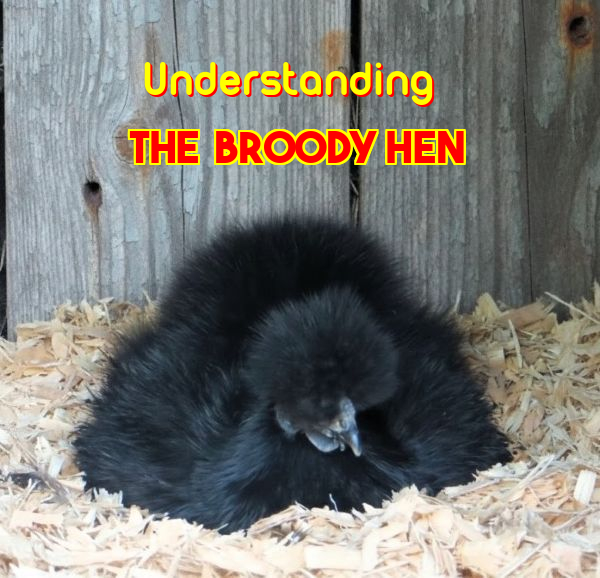
BREAKING THE BROODY HEN TBN Ranch
Why a Hen Leaves the Nest After Laying an Egg TBN Ranch

Chicken Coops, Drinkers, Feeders, & More

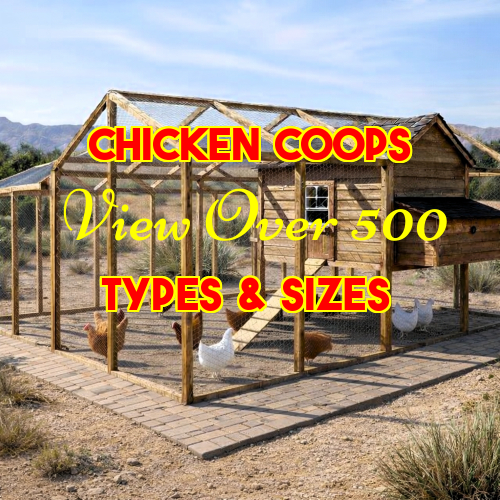
Choosing A Chicken Coop
Over 500 Coops to View

Are you interested in a traditional design, something unique and unconventional, a do-it-yourself project, or maybe a more elaborate setup?
View Now / TBN Ranch

Drinkers / Waterers

So many to choose from, but which one best fits your flock’s needs? Auto-fill, nipple, standard fill, or DIY, view them all in one convenient place HERE / TBN Ranch

Less Waste, No Mess Chicken Feeders TBN Ranch
Coop Building Plans TBN Ranch
Avoid Auto-Fill & Nipple Drinkers, Here’s Why TBN Ranch

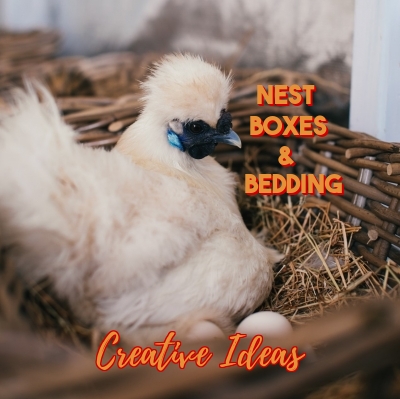
Nest Box & Bedding Gallery
More than 100 to View!

Nest boxes play a vital role in supporting both chickens and their caretakers, offering a range of benefits. Discover numerous suggestions to assist you in selecting perfect nest boxes.
View Now / TBN Ranch

Creative Roost Ideas

There are so many different types of roosts, which one is best for your coop?  Your birds need something suitable to roost on at night. Be creative! Here are over 50 types to inspire you.
View Now / TBN Ranch

Feeding & Nutrition

Choosing the Right Feed For Chicks & Chickens, What The Labels Mean TBN Ranch
Feeding Hemp Seed TBN Ranch
Understanding Chick Starter & Grower Feed TBN Ranch
About Grit and Chicks & Chickens TBN Ranch
Five Healthy Supplements for Your Chickens TBN Ranch
Chicken Feeding Chart TBN Ranch
What Not to Feed Chickens TBN Ranch
How A Chicken Digests Food TBN Ranch

Outdoor Gardening Safety

There are several common outdoor plants that are generally considered toxic to chickens, which makes it important for poultry owners to be aware of these potential hazards.
Read Article TBN Ranch

Predators!

Predators and the Evidence of Their Attacks

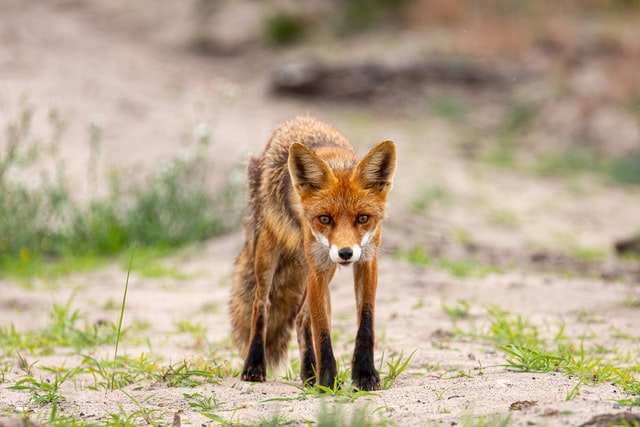
Coyote, Fox, Raccoon, Opossum, Hawk, and Owl.
Read Article / TBN Ranch

Common Predators to Chickens in Phoenix, AZ TBN Ranch
Keeping Chickens Safe From Fox TBN Ranch

Choosing a Breed

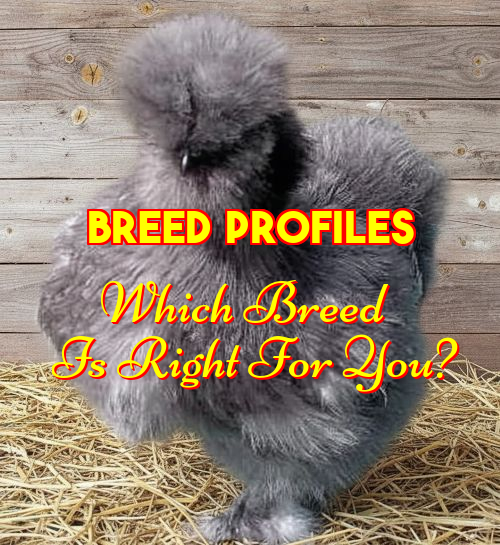
Choosing a Breed

There exists a wide array of exquisite chicken breeds, each presenting its own unique qualities. We will delve into the particulars, including temperament, egg size, egg color, egg production, and primary use.
Breed Profiles / TBN Ranch

All About Heritage Chickens TBN Ranch
Choosing a Good Laying Hen TBN Ranch
Chickens That are Known to be Flighty TBN Ranch
A Few Fancy Crested Chicken Breeds & Where to Get Them TBN Ranch
Definition of Ornamental, Exotic, & Designer Chickens TBN Ranch

Managing Eggs


Oyster Shells vs Egg Shells, Which Is Better? TBN Ranch
Cleaning Farm Eggs TBN Ranch
Do Eggs Need Refrigeration? TBN Ranch
Why Homegrown Eggs Are Better TBN Ranch
Why Your Hens Aren’t Laying Eggs, Solution TBN Ranch
How Light Effects Egg Production TBN Ranch
Shelf Eggs Come Up a Little Short on Nutritional Value TBN Ranch
Egg Labels and What They All Mean TBN Ranch
Chickens That Will Give You a Variety of Colorful Eggs TBN Ranch
5 Chickens That Lay Colored Eggs TBN Ranch

How Long Are Eggs Good For?

The quality and safety of eggs can differ due to various factors, such as storage methods and whether they are raw or cooked. Nevertheless, I can provide you with fundamental safety guidelines.
Read Article / TBN Ranch

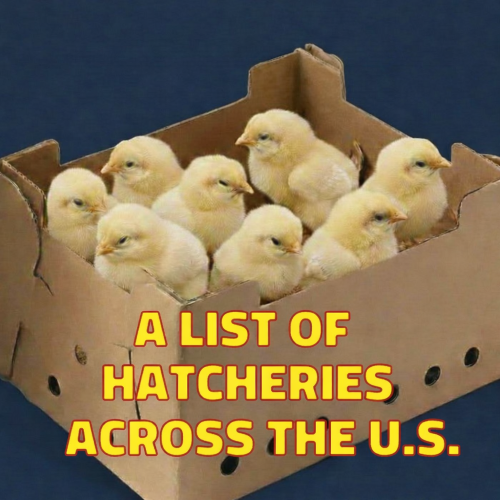
Hatcheries for Mail-Order Chicks

Hatcheries

Explore my collection of top-notch hatcheries. I’ve have personally purchased chicks from many of these hatcheries and have been consistently satisfied.
Read Article / TBN Ranch
Health & Wellness

About Worming Chickens TBN Ranch
Backyard Biosecurity TBN Ranch
Loss of Baby Chicks TBN Ranch
Salmonella TBN Ranch
Salmonella Safety Practices for Chicken Keepers TBN Ranch
Perosis Disease in Chickens / Poor Nutrition TBN Ranch
Why It’s Important to Wear a Mask in the Coop TBN Ranch

How-To

Sexing Chicks TBN Ranch
Clipping Chicken Nails TBN Ranch

Didn’t Find What You Are Looking For?

Informative Articles
By Content Contributors

A collection of articles from across the web by
content contributors who share their experience and expertise on various topics. Read Articles

Back to HOME PAGE

Save

Sav

Raising Baby Chicks the First Seven Weeks


Raising chicks can be easy if you just do your homework before you buy. Knowing when to plan for your chicks’ arrival is also something to take into consideration. Of course, it makes good sense to have your coop set up and supplies ahead of time. But it would also be helpful to be informed of what’s new in today’s chicken-keeping market. For example, the use of radiant heat instead of heat lamps, or all the new ideas for drinkers and feeders that are designed to save you time and money.
Before you bring home chicks you’ll need a brooder box to raise them until they are fully feathered. Need help choosing the best type? No problem, here are a ton of ideas, Brooder Box Ideas.  It can be anything from a cardboard box to something more extravagant as shown in the pics below. It doesn’t need to be fancy, but it needs to be convenient for you to manage, and be comfortable for your chicks. See more Brooder pics. While your chicks are in the brooder, you’ll have plenty of time to get their coop ready. Whether a DIY project or not, every coop size and style imaginal can be found HERE.
Research, have a plan, be prepared, and know what to expect, these four things will help ease your commitment so there’s more time to enjoy your birds.
It’ll be helpful to have some understanding of Basic Chicken Terminology, this reference article will help you through the maze of chicken lingo.

If you are raising bantams, day-old, or mail-order chicks who may be weak from their long journey, line the brooder box with paper towels for the first week. Use a drinker and feeder designed specifically for chicks and place it directly on the paper towels. Your chick’s feed is readily available at all feed stores, ask for Chick Starter. The bag will say Chick Starter or Chick Starter/Grower, they’re the same. You have one other feed detail to decide upon, Medicated or Non-Medicated. This is a feed containing antibiotics. Personally, if my chicks are mail-ordered from a hatchery, I feed them medicated for the first week. If bought from a feed store and the chicks are a week old, I feed non-medicated.
Sometimes, baby chicks act lethargic or weak from either a long trip or other stressful conditions. In this case, you may want to give them a little electrolyte boost for two or three days. Simply add Sav-a-Chick electrolytes to their water source. It’s available anywhere chicks are sold, also on Amazon.

What to Expect…..

Your baby chicks will arrive in a box similar to this.

If you bought your chicks from a feed store, they’re probably a few days to a week old, and most likely accustomed to pine shavings for their bedding. It’s okay to continue using pine shavings at this point. This will help keep the brooder smelling fresh, changing it every day is good practice.
Your chicks will need enough space to move freely, and after the second week will need the box covered with chicken wire.
One-half of the brooder shouldn’t have a heat source at all. The other, preferably radiant heat which will be further explained later in this article.
Watch for poopy or pasty butts! This is a common problem usually bought on by stress, or uncomfortable living conditions during the first two weeks. Using a wet paper towel, or baby wipes, clean those fuzzy butts because this condition hinders fecal elimination… which is often fatal.
As your chicks become more active, keeping the food & drink sources clean is challenging, so here are a few tips. Raise the drinker to the height of the smallest chick’s back, this will minimize the litter from landing in their water. Use bricks, 2×4 pieces, flower pot saucers, or even a bowl upside down will do the trick.
Tip: Set their feeder in something that will catch the feed they scratch out, this will substantially minimize feed waste. Be creative, use a flower pot saucer, a pie tin, etc.

Temperature Control in the Brooder, Radiant Heat vs Heat Lamps

Keeping the temperature right can be a chore, especially if you depend on a heat lamp. You’ll spend a good deal of time raising and lowering it during the day as temperatures change, which is exactly why I rarely use them.  I never raise chicks indoors, they’re always kept in a shed or garage during a time when overnight temperatures seldom drop below 55-60. Heat lamps have their place, but I only use them if a cold spell occurs before my chicks reach a month old.  My primary heat source is radiant heat. It doesn’t heat the brooder, it only provides warmth when the chicks settle underneath it.
Your chicks will be happiest if they can touch the surface, so keep the unit nice and low, you can easily raise it as they grow. Radiant heat is certainly more natural, chicks have been settling under their mothers in cool climates to keep warm since somewhere around 6000 BC!
Radiant heat is a sufficient heat source for chicks if the ambient temperature is at least 55 degrees. Again, this is why seasonal planning for your chick’s arrival is important.
Keep a thermometer inside the box to monitor the temperature, but watching the chick’s behavior is the best indication of their comfort.
Rule of Thumb: If they’re huddled together, they’re cold. If some are eating or drinking, others sleeping, and the rest under radiant heat, you have happy chicks. There’s no worry about your chicks finding the radiant heat, place them under it when you bring them home and they will return to their comfort zone all on their own.
Note: Important Fact about Radiant Heat: The thermometer in the brooder should read at least 55 degrees. You won’t feel the heat when placing your hand under the radiant heat unit unless you touch the plate. Remember, radiant heat doesn’t heat the brooder at all, only the chicks when they are under it… so try not to stress over what seems cold to you.
What If There’s A Cold Spell?
If it’s necessary to use a heat lamp on a chilly night, avoid placing it directly over the chicks when radiant heat is available to them.  A heat lamp near the coop to keep the ambient temp around 55 degrees works well.
Note: Heat lamps for chicks in feed stores are almost always only available at 250 watts. That is a lot of heat! You already have a heat source, so there’s no need to blast them with a 250-watt heat lamp. There’s an easy fix to that, 50, 75, and 100-watt heat bulbs are easily found on Amazon, choose a wattage that will keep the ambient temp at or around 55 degrees. You can often find lower-wattage heat bulbs at pet stores in reptile supplies.
Always use a red bulb, the light from the clear bulb is too bright and the chicks may become agitated, which inevitably leads to the unwanted problem of frustrated chicks pecking each other.

Keeping Chickens Indoors?
There is no need for a heat lamp at all if you use radiant heat. They will be much happier with natural lighting and far less likely to have pasty butts, which often is the culprit of chick fatality. But, there are drawbacks to raising chicks indoors, I won’t tell you not to, but here are three reasons why I don’t.
First, when chicks are ready to be moved to the coop they’ll need to acclimate to harsher weather conditions and fluctuating temperatures. Second, by the time they are three weeks old, well… they’ll stink, to put it bluntly. Trust me, You’ll be cleaning their brooder box constantly and wishing they were anywhere but your living space.  They will also be very active in what has probably become very cramped quarters at about three weeks old. And Third, chicks mature slower.
The rule of thumb is to keep chicks at a controlled temperature until they are fully feathered, which is somewhere around 5 -7 weeks. Chicks raised in cooler temperatures with a moderate heat source are often fully feathered earlier.
To sum it all up…  plan to buy chicks when they’ll be comfortable in a garage or outdoor shed using primarily radiant heat. This will depend on where you live, for most folks it’s springtime. For others, like the lower desert southwest, mid-February.
Three weeks is a good time to introduce a perch for your chicks. A tree branch or one-inch dowel rod will be sufficient. They’ll be reluctant to explore this strange new object, but in a day or two their curiosity will get the best of them. Learning to perch now aids in their transition to roost as adults.
Why is this important? It’s good practice to keep nest boxes clean for obvious reasons… and hens sleeping where they lay is anything but. In every coop a roosting bar should be provided, it is instinctual for birds to roost elevated, so this won’t be a difficult task to accomplish. There are however exceptions to the rule of roosting. Silkie Bantams are often reluctant to venture any higher than 3 feet… if at all.
Three weeks is also the perfect time to introduce a little grass for them to enjoy, but there are three rules. 1, No long pieces. 2, Not too much. And 3, Have grit available in the brooder to help them digest this strange new food. The grass is a good distraction to an array of possible problems in the brooder as well, such as pecking each other, or bullying. It keeps them busy! Just keep in mind, problems always occur for a reason. Most commonly, overcrowding, bright lights, or undesirable temperatures.
Moving Day, Brooder To Coop:
When your chicks are fully feathered they are ready to leave the brooder and be moved to the coop. It should be well-ventilated, spacious enough to include a roost bar, and have shelter from wind, rain, inclement weather, and protection from the sun. Provide at least one nest box for every two birds. Two square feet of ground space per bird would be adequate, but the more space you give your flock the better. Crowding is the perfect recipe for bullying when establishing early and continual pecking orders.
Feed and water should be elevated to the height of the smallest bird’s back, this will help keep their food and water clean. You can either hang them, or simply find something stationary such as bricks, or a cinder block.
Note: Some chicken keepers prefer to move their chicks to a grow-out pen before the coop. This is just a smaller coop where they’re housed until bigger. Grow-out pens are especially important if you have an existing flock, where a whole new set of rules applies for introductions.
Diet / The First Egg
At the point of lay, (5-6 months) your birds are ready for a change in their diet. This is the perfect time to switch from chick starter/grower, to Layer Pellets. You can expect the first egg from your pullets anytime now.

Don’t Forget to Protect your Flock from Predators!
Watch out for these guys! They are bad news.

Don’t think for a minute that your flock is immune to a predator attack. There’s no place on the planet where chickens are safe from predators…. not even in your suburban backyard. And guess what, not in your coop either, unless you’ve made every effort to predator-proof every nook and cranny. That means, no animal will be able to dig under the coop or get in over the top. It means there are no gaps around doors and windows, and the coop door has a secure latch to keep them safe at night.

Looks like you’re ready to bring those babies home, enjoy the journey!

Back to HOME PAGE

Save

Save

Save

Save

Save

Save

Save

Save

Save

Save

Save

Save

Save

Save

Save

Save

Save

Save

Save

Save

Save

Save

Save

Save

Save

Save

Save

Save

Save

Save

Save

Save

Save

Save

Save

Save

Save

Save

Save

Save

Save

Save

Save

Save

Save

Save

Save

Save

Save

Save

Save

Save

Save

Save

Save

Identifying Chicken Predators by the Individual Evidence They Leave Behind

Six Common Predators and the Clues Left Behind After an Attack

1024px-Coyote_in_Lincoln_Park
COYOTE
Urocyon_cinereoargenteus
FOX
800px-Raccoon_climbing_in_tree_-_Cropped_and_color_corrected
RACOON
800px-Opossum_2
OPOSSUM
The Enemy, Resident Harris Hawk
HAWK
800px-Bubo_virginianus_06
OWL
Back to HOME PAGE

Save

Save

Save

Save

Save

Save

Save

Save

Save

Save

Save

Save

Save

Save

Save

Save

Save

Save

Save

Save

Save

Save

Save

Save

Save

Save

Save

Save

Save

Save

Save

Save

Save